Biodiversity Net Gain Street Furniture: Holistic Landscape Strategies for UK Developments
Since Biodiversity Net Gain (BNG) became a mandatory requirement under the UK planning framework, developers, landscape architects, and local authorities must deliver a verifiable 10% lift in native biodiversity across public realm, education, residential, and commercial projects.
Historically treated as separate design tracks, ecological compliance and urban infrastructure are merging, as meeting BNG requirements requires moving beyond isolated soft landscaping or commercial landscaping plots and incorporating biodiversity into every layer of the built environment.
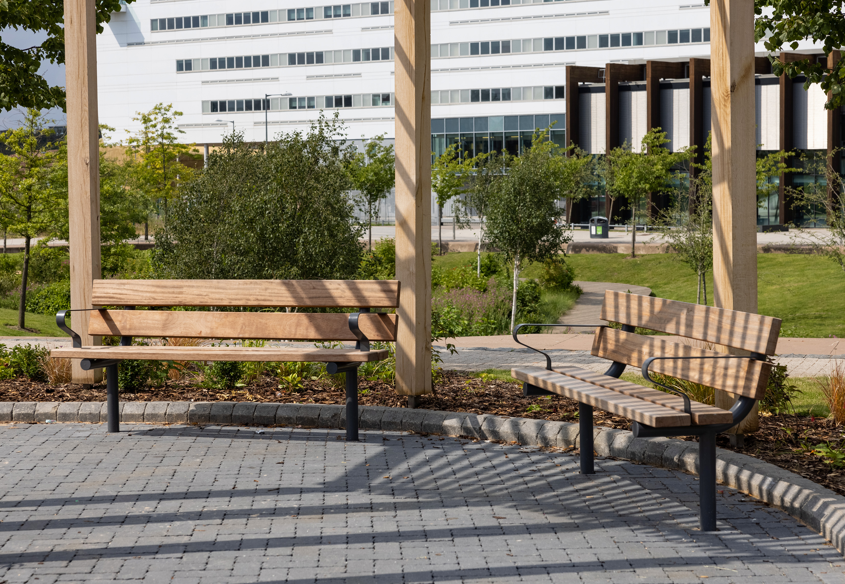
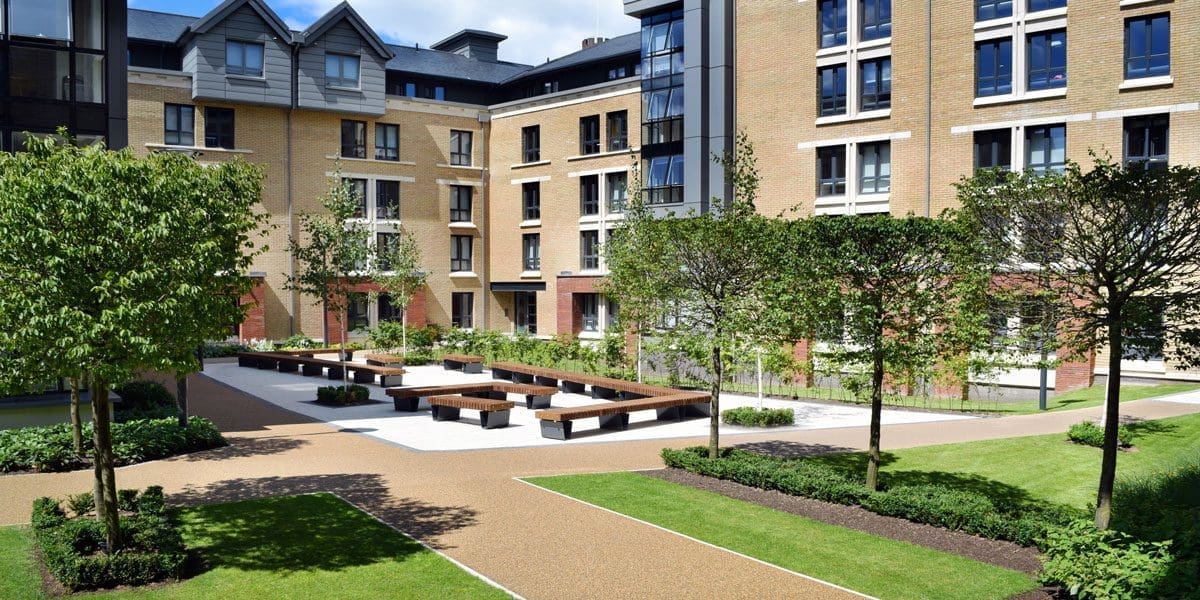
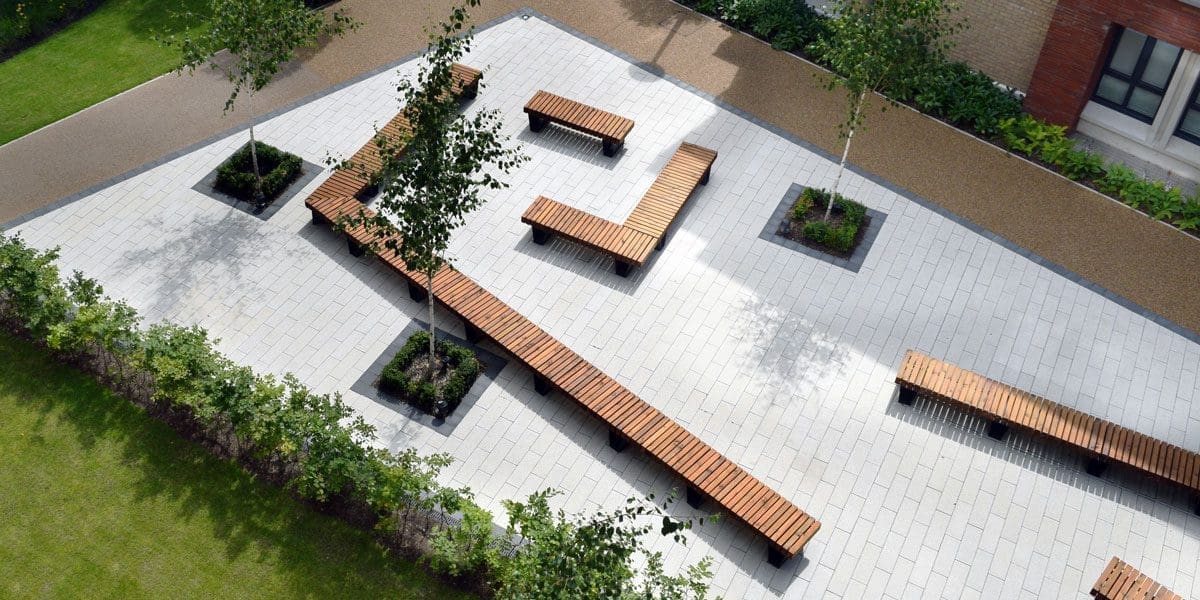
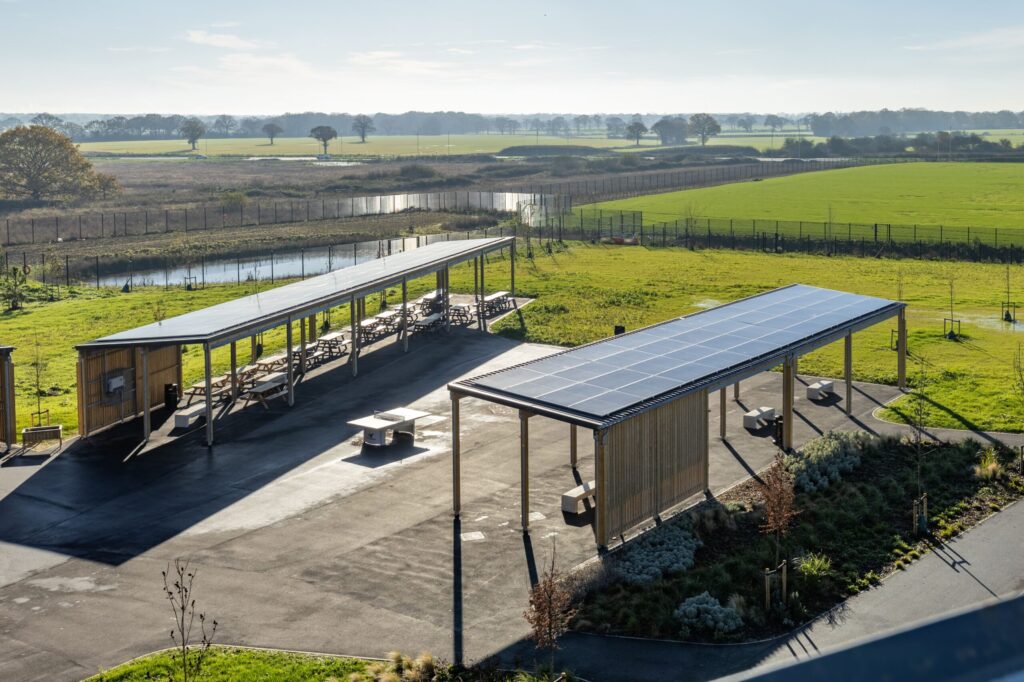
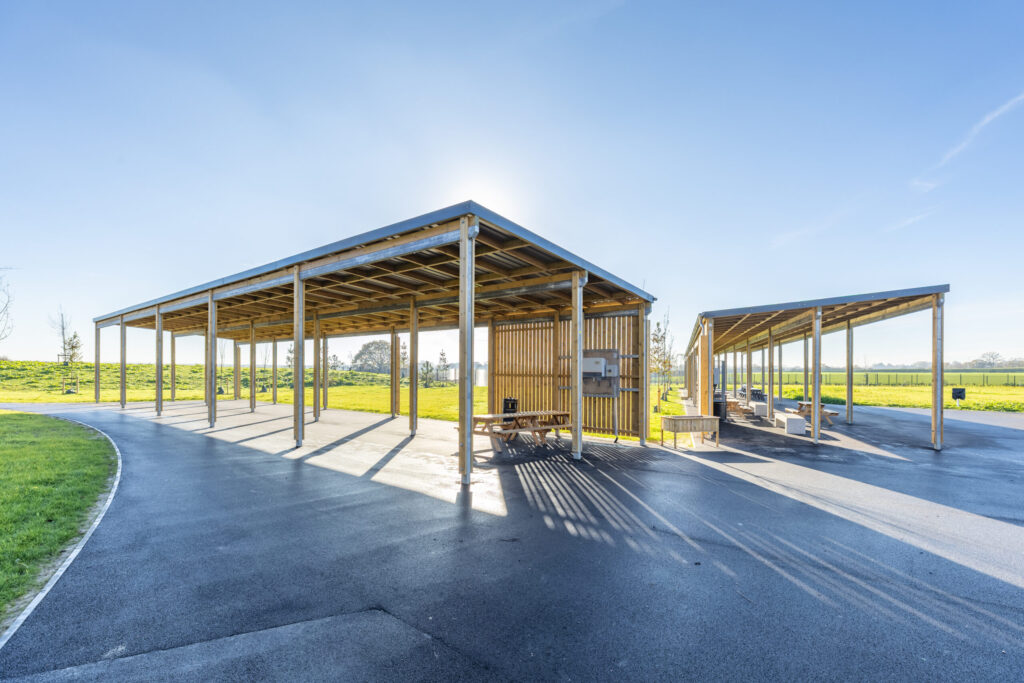
When specified thoughtfully, Biodiversity Net Gain street furniture – including sustainable benches, planters, and active travel shelters – ceases to be a collection of standalone utility items. Instead, these integrated solutions become active drivers of biodiversity in urban spaces, placemaking, and human connection with nature.
How Can Street Furniture Support Biodiversity Net Gain?
Street furniture can contribute to Biodiversity Net Gain (BNG) objectives when it incorporates elements such as sedum roofs, integrated planting, pollinator-friendly habitats and sustainable materials. Features including cycle shelters with living roofs and planters with integrated seating help developers increase ecological value while supporting placemaking and user wellbeing.
How Does Street Furniture Contribute to Biodiversity Net Gain?
Achieving genuine BNG compliance requires landscape architects to view the public realm as an interconnected eco-system; outdoor furniture occupies high-footfall spaces where hard standing often dominates.
Integrating living elements directly into these functional pieces allows specifiers to reclaim lost ground and introduce vital flora and fauna into urban environments.
Can Green Roof Cycle Shelters Improve Biodiversity?
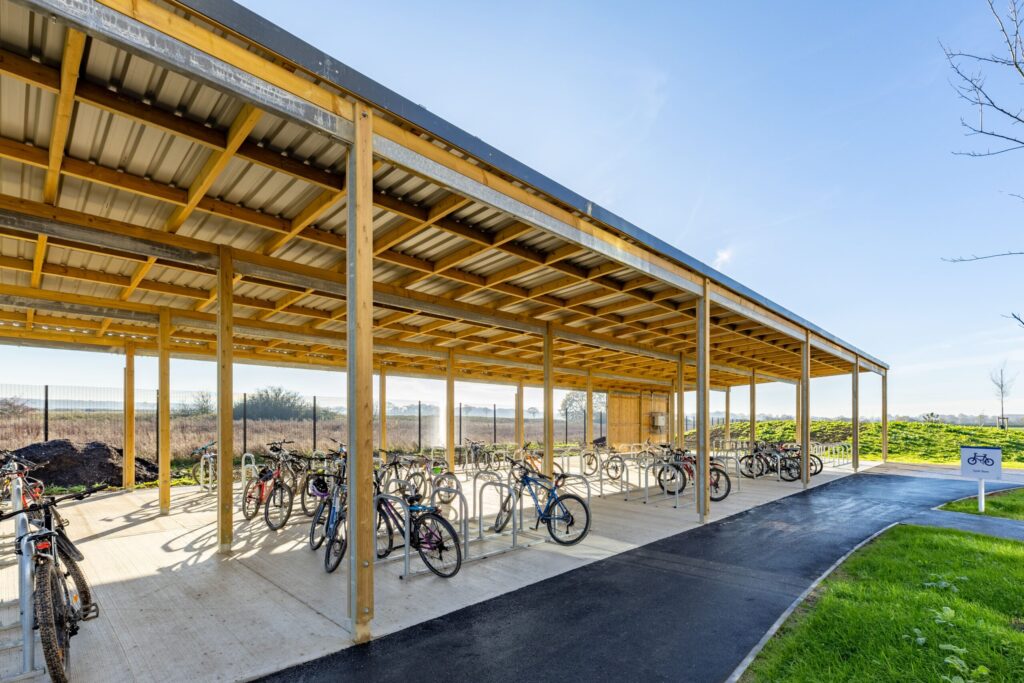
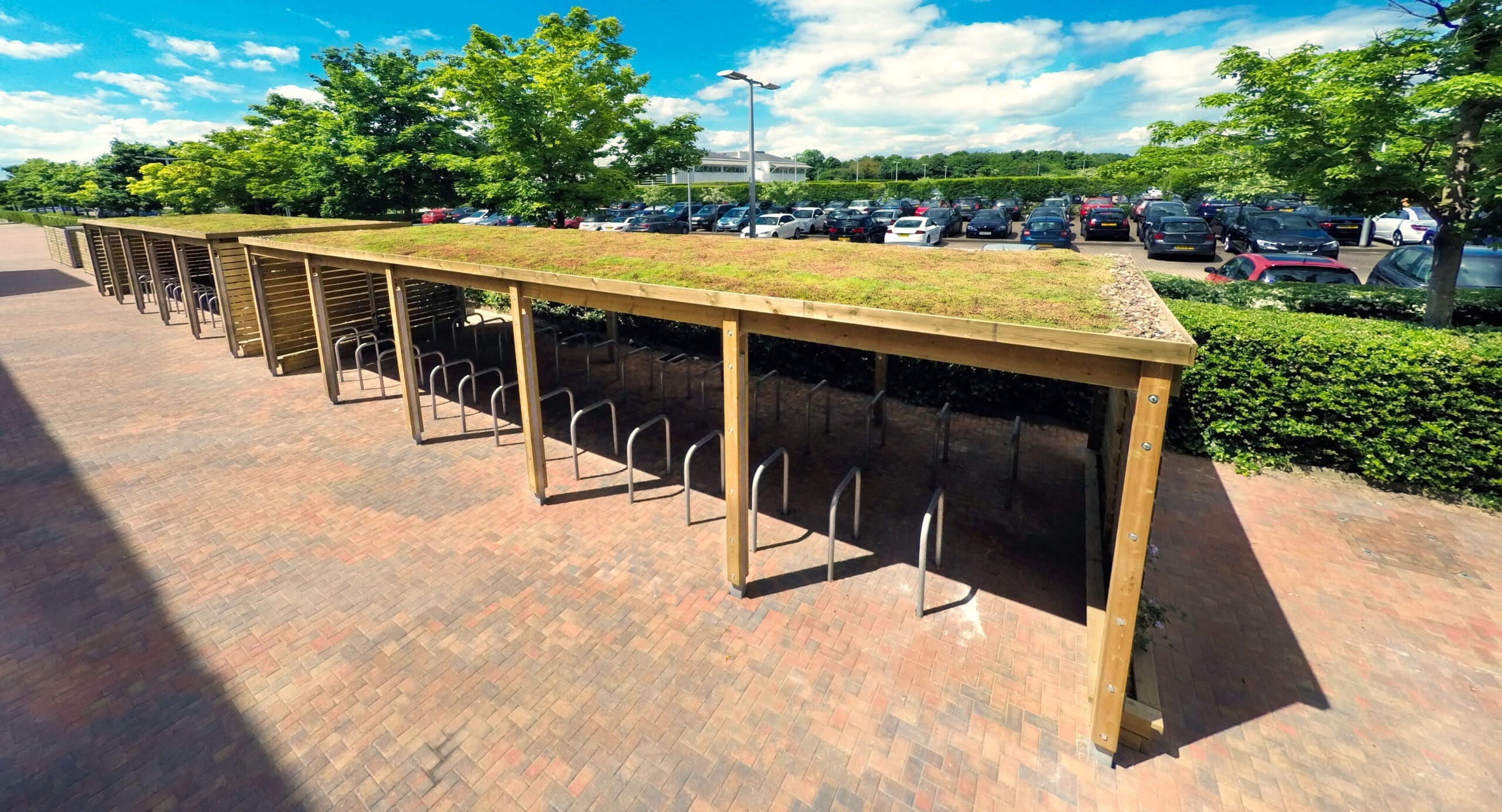
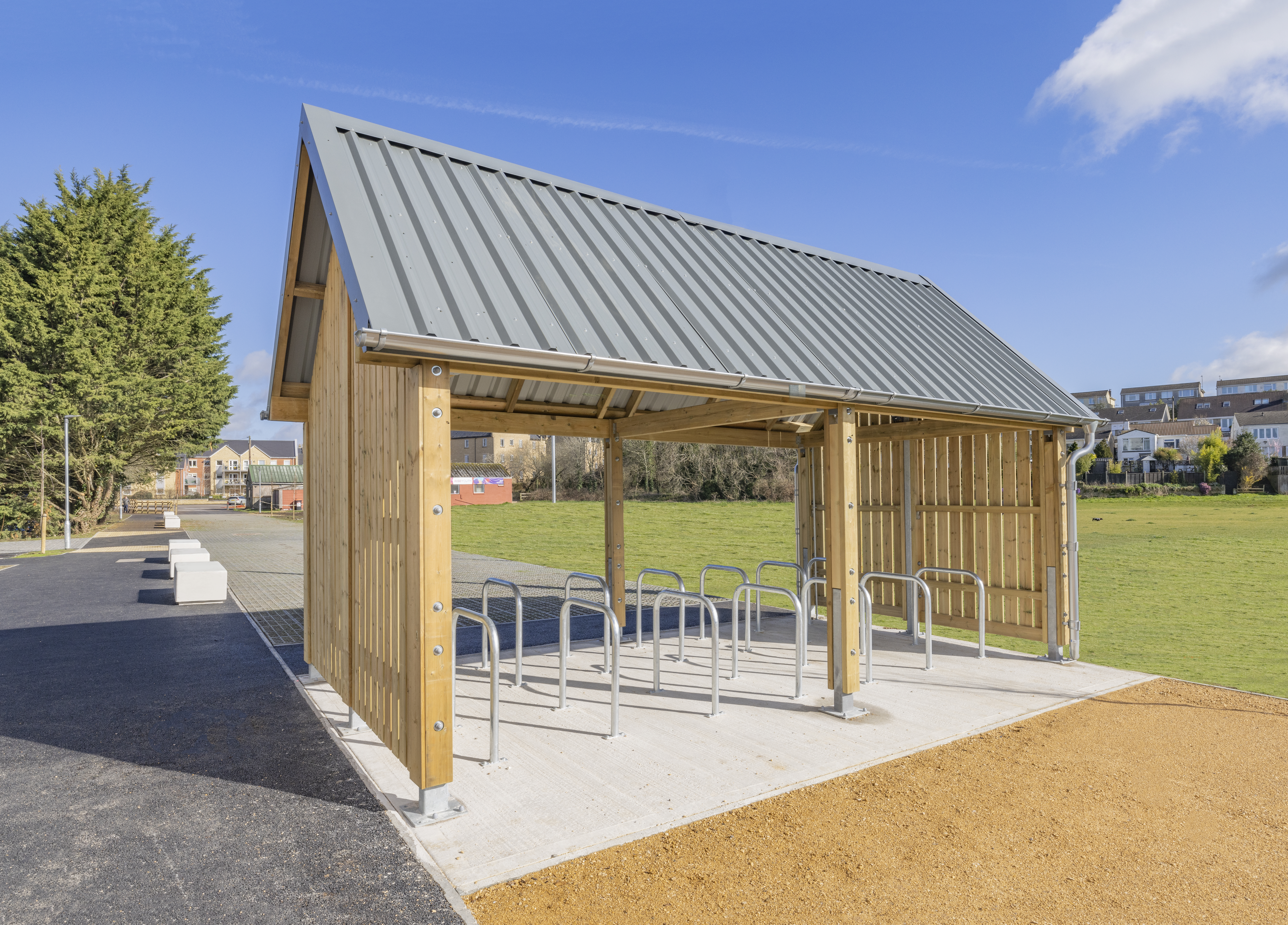
Structures like cycle shelters and bin stores offer expansive surface areas for green roof systems.
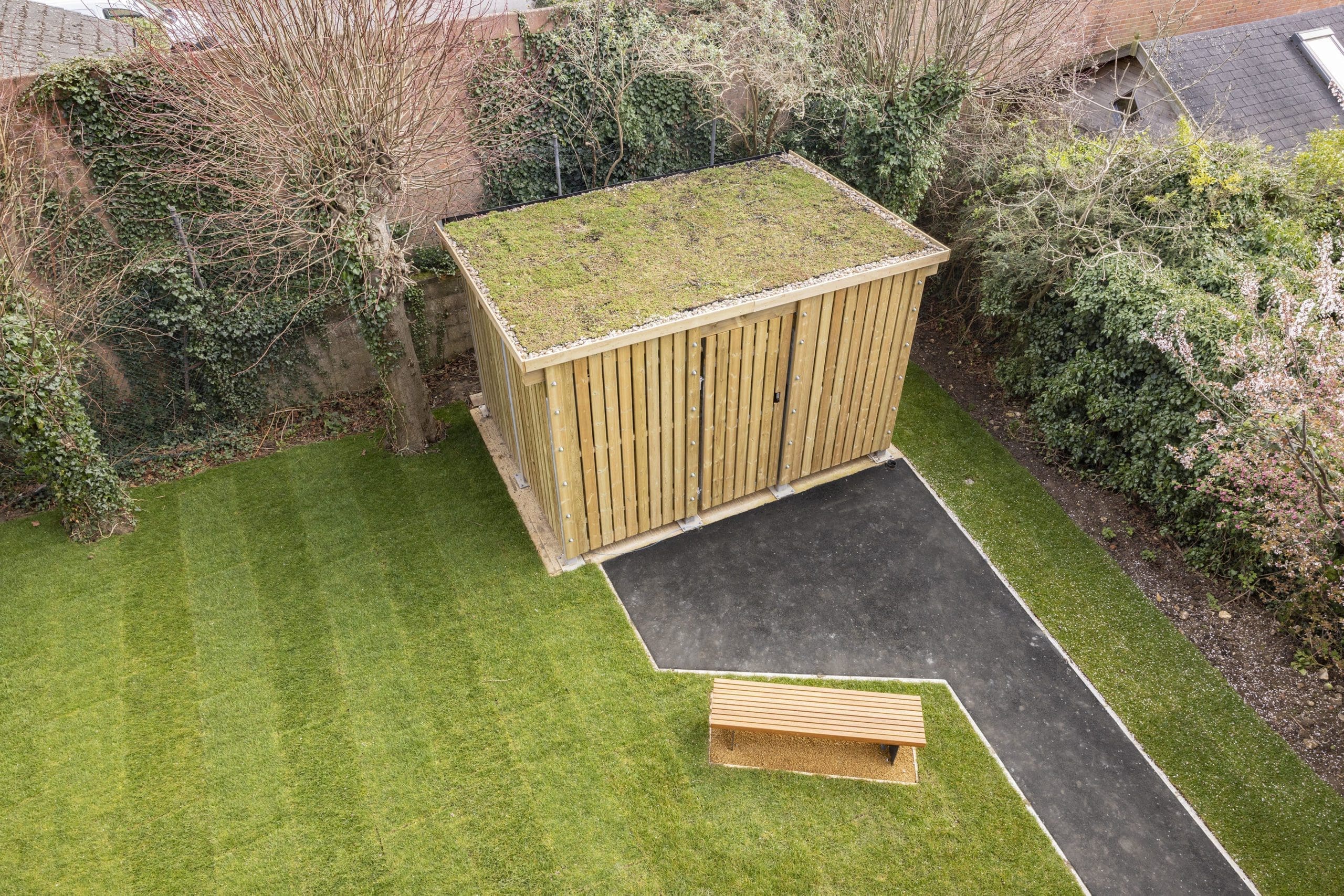
Sedum & Wildflower Canopies: Installing sedum or wildflower roofs on cycle shelters and bin enclosures creates micro-habitats for pollinators, bees, and invertebrates.
Stormwater & Microclimate Management: Green roofs absorb rainwater runoff, lower ambient urban temperatures, and filter micro-particulates, earning ecological credits while sheltering critical site utilities.
How Do Planter Benches Support Urban Biodiversity?
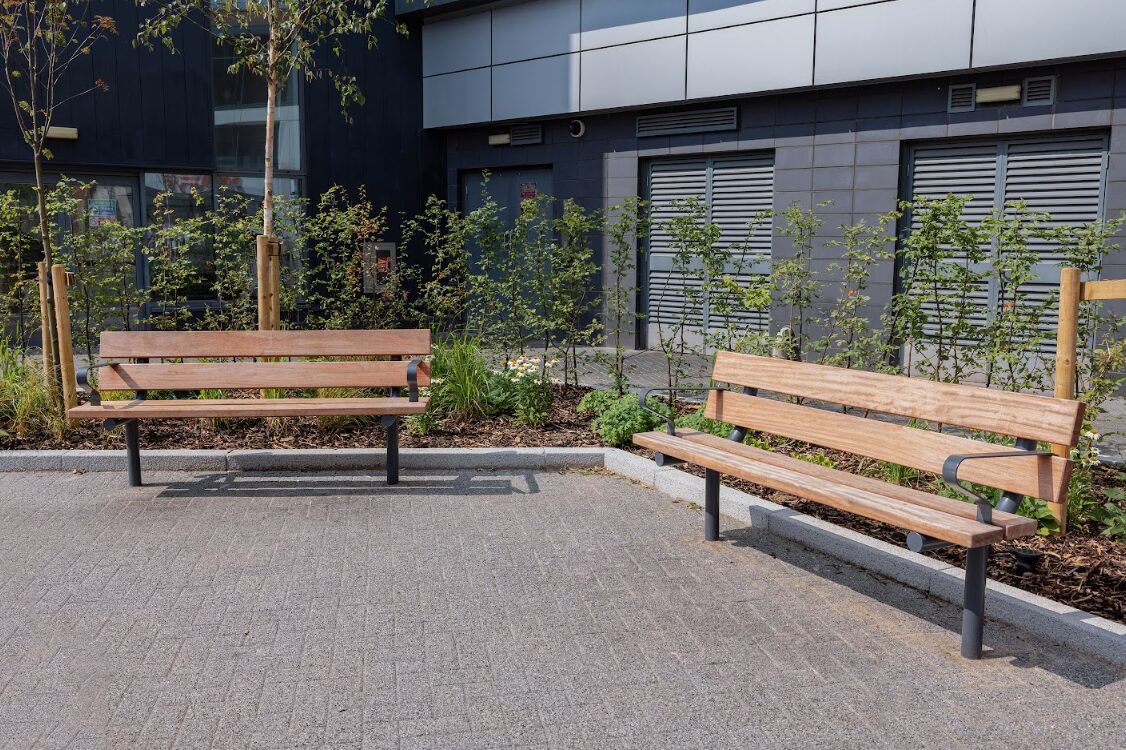
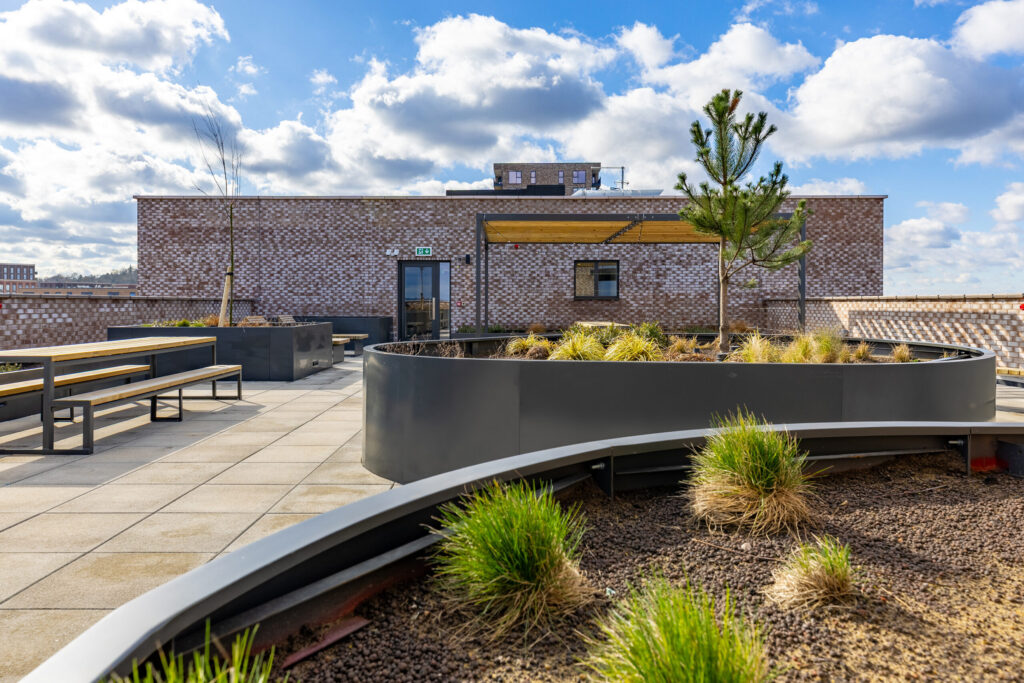
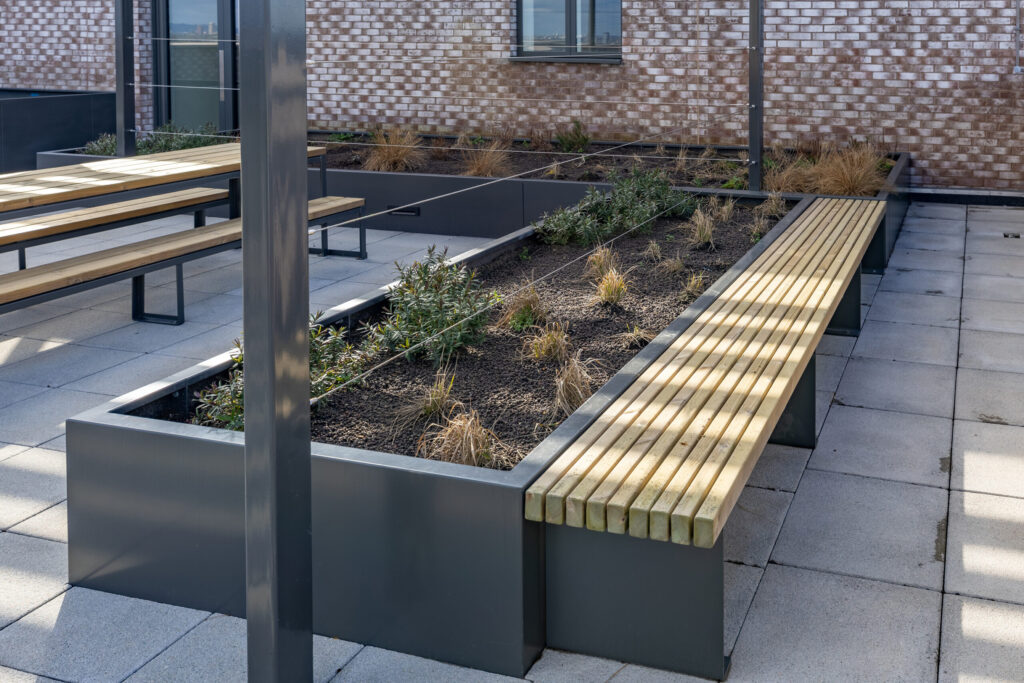
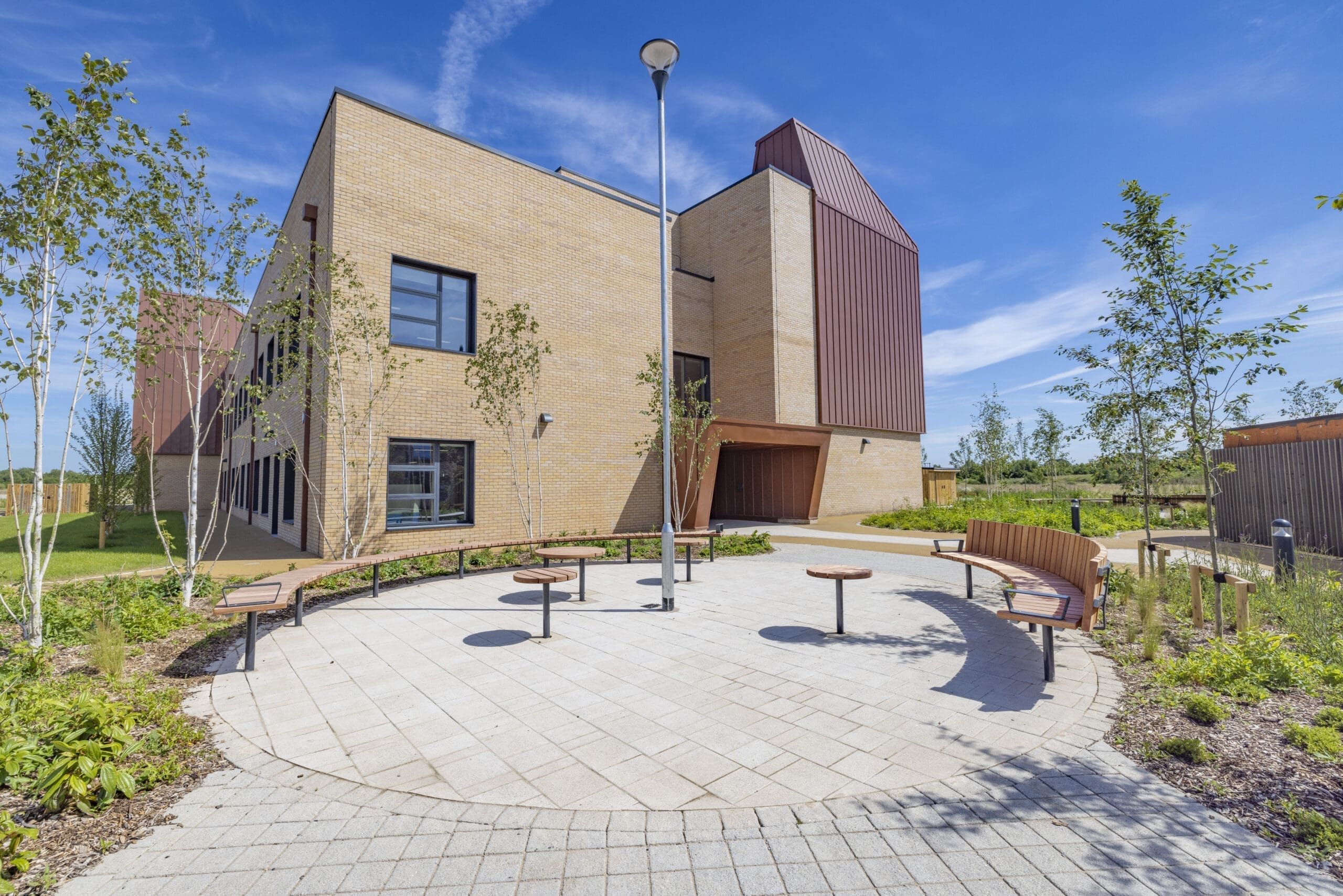
Merging modular seating with integrated steel or timber planters transforms hard plaza environments into green sanctuaries where these planter-bench hubs allow deep-root native shrubs, ornamental grasses, and pollinator-friendly perennials to thrive alongside public seating.
This biophilic setup brings nature directly to eye level, boosting human well-being while establishing wildlife stepping-stones through city centres.
Which Street Furniture Materials Support Biodiversity Goals?
BNG calculations consider the broader environmental impact of materials and specifying street furniture made from sustainably sourced, long-lasting materials reinforces a project’s ecological integrity.
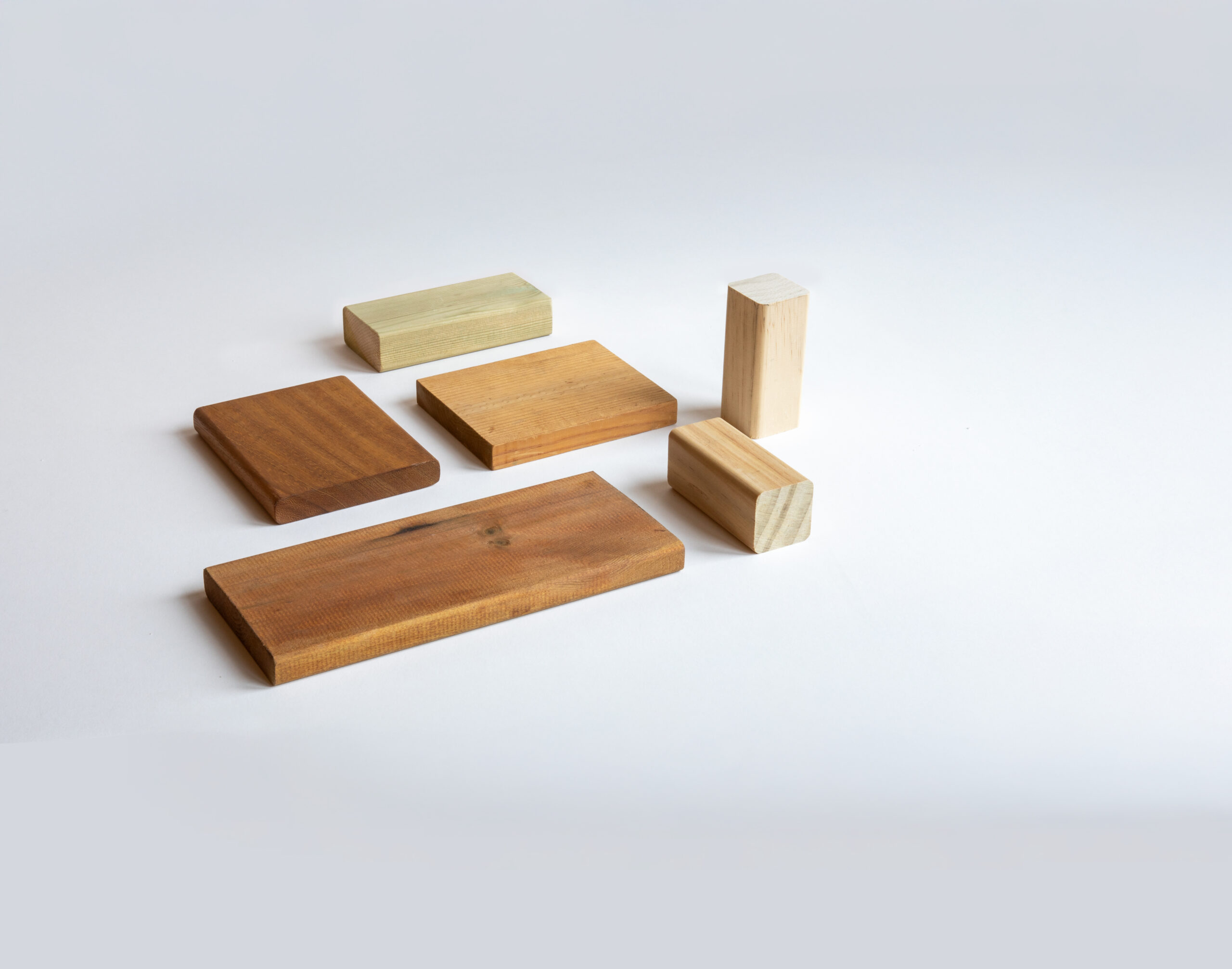
FSC-Certified & Class 4 Treated Timbers: Utilising responsibly harvested timber – such as Class 4 Treated Redwood or Accoya – ensures carbon remains safely sequestered within the urban landscape for decades.
Recycled Plastic Infrastructure: Utilising 100% recycled plastic derived from agricultural waste diverts plastic pollution from ecosystems, providing a zero-rot, maintenance-free alternative to non-renewable synthetic materials.
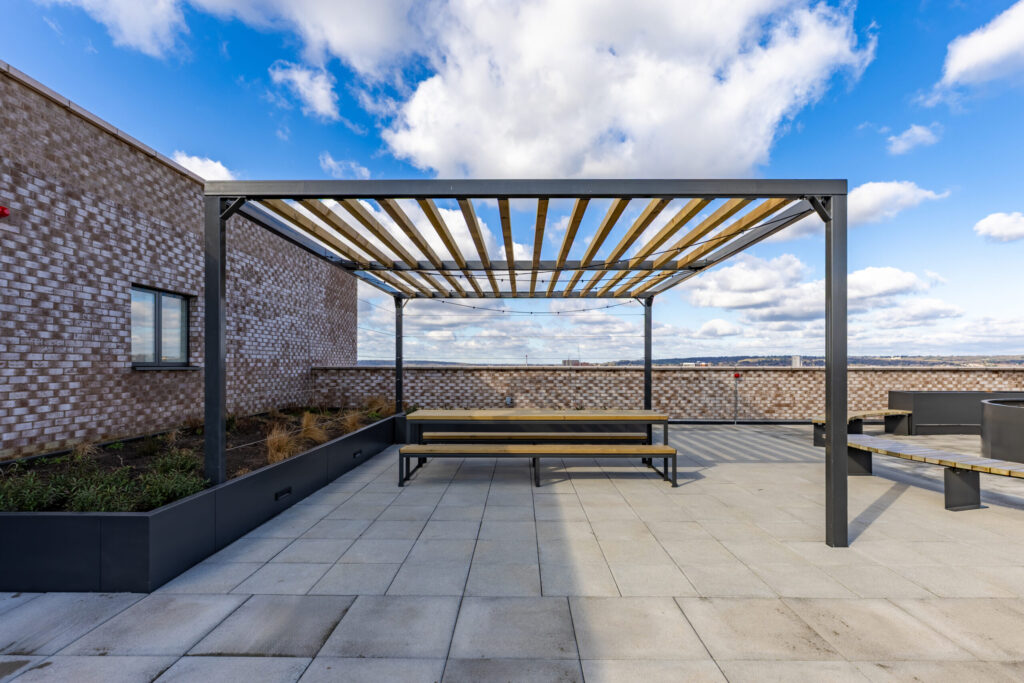
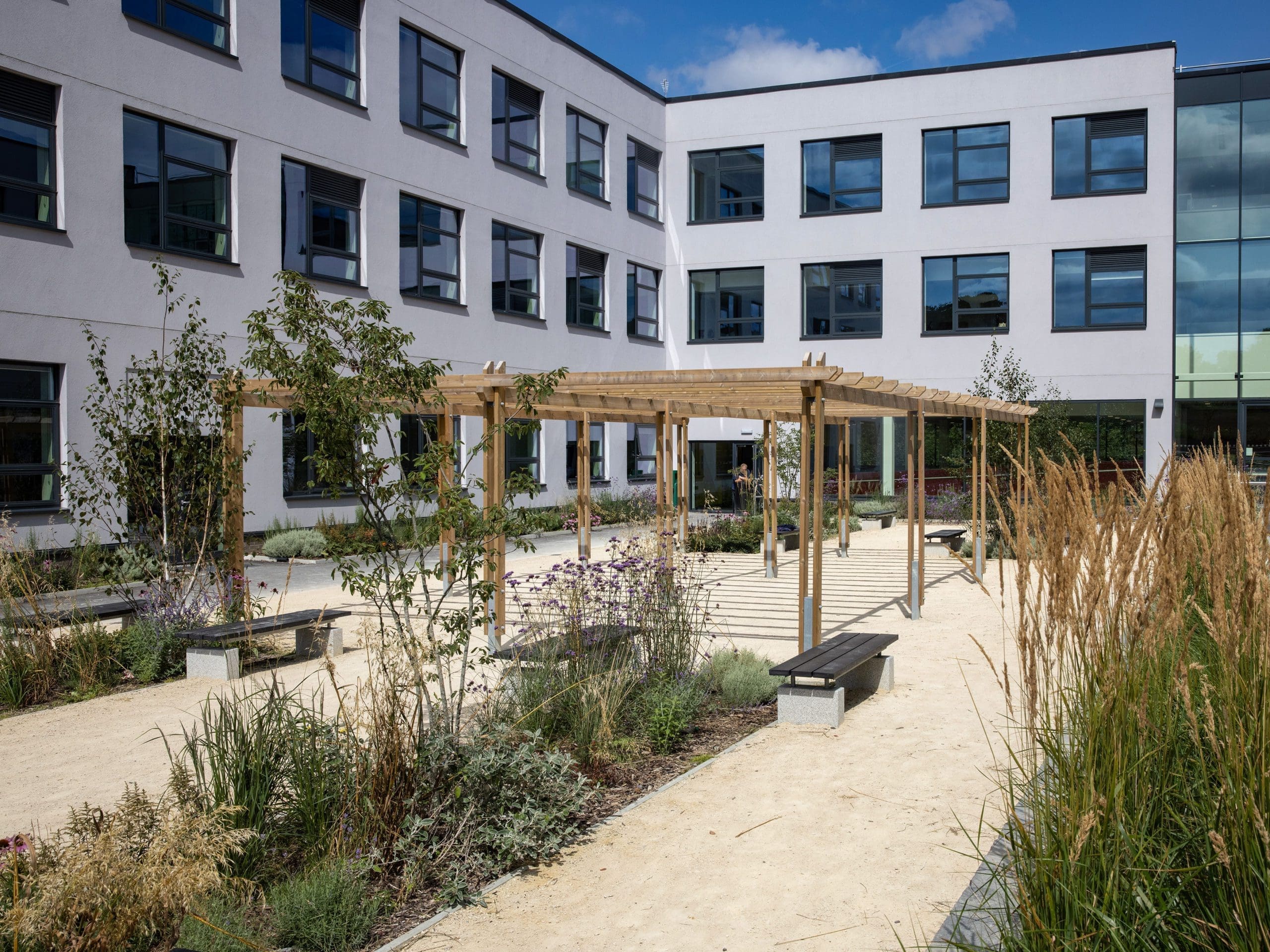
Habitat-Integrating Finishes: Custom timber slatted designs, pergolas with plant training wires, and open-weave metal frameworks encourage climbing plants – like ivy or honeysuckle – to establish vertical green walls, providing nesting spots and food sources for local bird populations.
Purfleet Housing Development
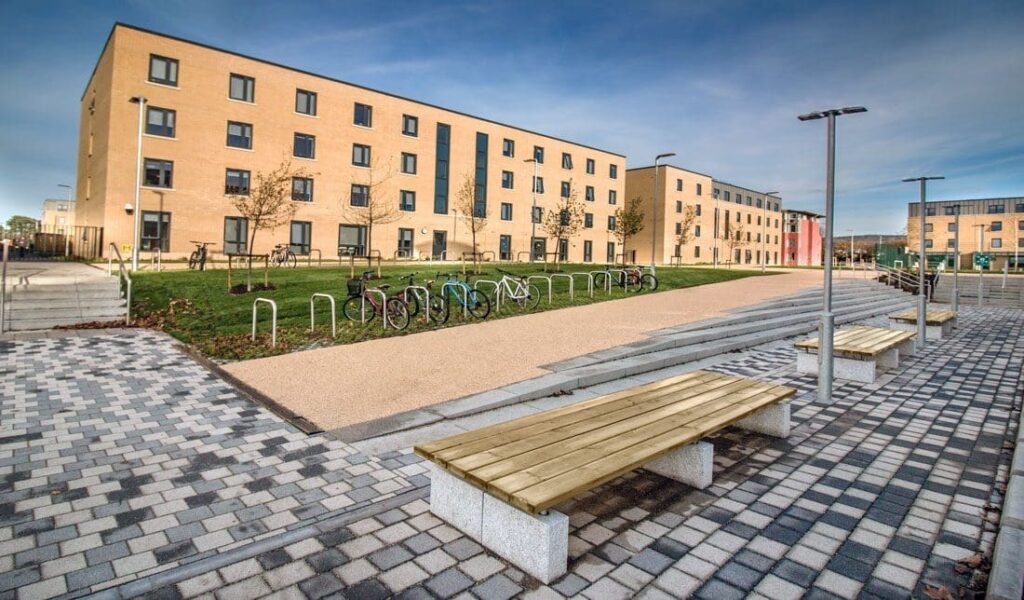
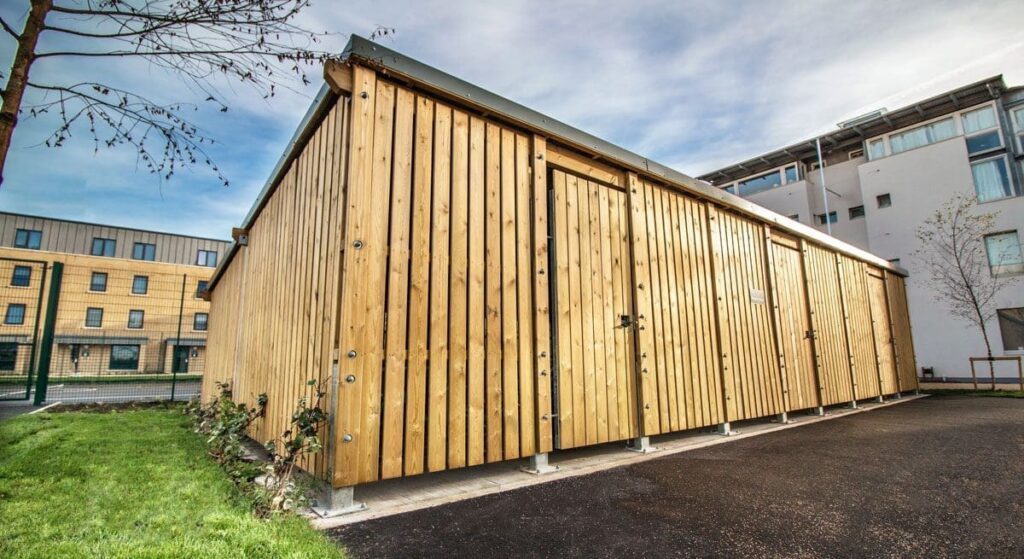
At the Purfleet-on-Thames Housing Development in Essex, Langley Design partnered with Sanctuary Homes and Exterior Architecture to deliver an integrated, eco-focused external storage package for 61 new residential units.
To balance high-density residential needs with sustainable placemaking, the project specified custom Sheldon bin stores, cycle shelters, and large combination units manufactured from Class 4 Treated Redwood (TRC4) with Cedar cladding and integrated sedum green roofs.
Expert Insight: Why Biodiversity Is Becoming a Core Public Realm Requirement
We’re seeing biodiversity considerations move beyond planting schemes and become integrated into the wider public realm. Features such as sedum roof shelters and integrated planters allow developers to maximise ecological value within functional spaces while helping meet planning objectives
Key Highlights:
Biodiversity Support: The sedum green roofs introduced critical insect habitats and helped manage localised rainwater, contributing directly to the development’s green infrastructure and ecological goals.
Flexible Storage: The installation included 20 individual cycle shelters, 20 bin stores, and 14 large combination storage units across private gardens and driveways.
Resident Amenity: By pairing durable timber construction with living roofs, the development provided secure, attractive bike and bin storage that encourages active travel and clean streetscapes for residents.
Overall, this installation demonstrates how thoughtfully specified street furniture serves to support planning objectives for high quality placemaking, biodiversity net gain without compromising on cohesive neighbourhood character.
Frequently Asked Questions (FAQs)
Can street furniture count towards a development’s Biodiversity Net Gain?
Yes, provided it incorporates recognised soft landscaping elements. Features like sedum-roofed cycle shelters, living roof bin stores, and planter-integrated seating add measurable vegetated surface area to a site’s baseline ecological metric.
Are sedum green roofs on street furniture high maintenance for facility teams?
No. Sedum species are chosen specifically for their drought tolerance, shallow root systems, and low-maintenance resilience. They typically require only annual clearing of rogue weeds and periodic drainage checks, making them ideal for commercial and public schemes.
How does living street furniture support placemaking and community well-being?
Biophilic design principles show that exposure to natural elements lowers stress and improves mental well-being. Combining greenery with seating or active travel infrastructure transforms plain transit zones into attractive, restful community hubs that encourage social interaction.
Can green roof shelters handle severe UK weather conditions?
Absolutely. Commercial-grade green roof shelters are engineered with structural steel or heavy-duty timber frames that account for wind, snow, and the wet weight of saturated soil substrates, meeting standard BS EN 1991 Eurocode loadings.
Delivering BNG Requirements Through Smart Infrastructure
Meeting Biodiversity Net Gain requirements does not mean sacrificing practical site infrastructure and, indeed, by embedding living roofs, native planting, and sustainable timber into everyday public realm elements, landscape architects and developers can achieve mandatory planning goals while building memorable, green communities.
Biodiversity Net Gain Street Furniture: At a Glance
Street furniture supports Biodiversity Net Gain by integrating planting, habitat creation and sustainable materials into public spaces. Examples include sedum roof cycle shelters, planter benches, biodiverse bin stores and pergolas designed to support climbing plants. These features help developers, landscape architects and local authorities improve biodiversity outcomes while enhancing usability and placemaking.
Need Support Specifying Biodiversity Net Gain Street Furniture?
Leveraging 30 years of experience as street furniture manufacturers, Langley Design works directly with landscape architects, main contractors, and local councils across the UK.
We engineer tailored timber planters, sedum roof shelters, and sustainable street furniture, including seating solutions, designed to help you meet your project’s BNG requirements and aesthetic targets. Discuss your project requirements today by contacting our team at Langley Design.