Langley Design
  • About Us
  • Products
  • Projects

01793 759 461

  • About Us
    • Team
    • Why Choose Us
  • Products
    • Benches & Seats
    • Bin Stores
    • Bollards & Door Barriers
    • Canopies & Shelters
    • Cycle Parking
    • Cycle Shelters
    • Pergolas
    • Precast Concrete
    • Picnic Tables
    • Recycling & Litter Bins
    • Steel Planters
    • Timber Planters
  • Projects
    • Education
    • Healthcare
    • Housing
    • Offices & Industrial Parks
    • Public Realm
    • Universities
  • Support
    • Technical
    • Delivery
    • Installation
    • Materials
    • Product Codes
    • NBS Source
  • Environmental
  • Blog
  • Contact
  • Insights from the Embodied Carbon Roundtable

    Insights from the Embodied Carbon Roundtable

    by Mike Bloxsome, Technical Director at Langley Design

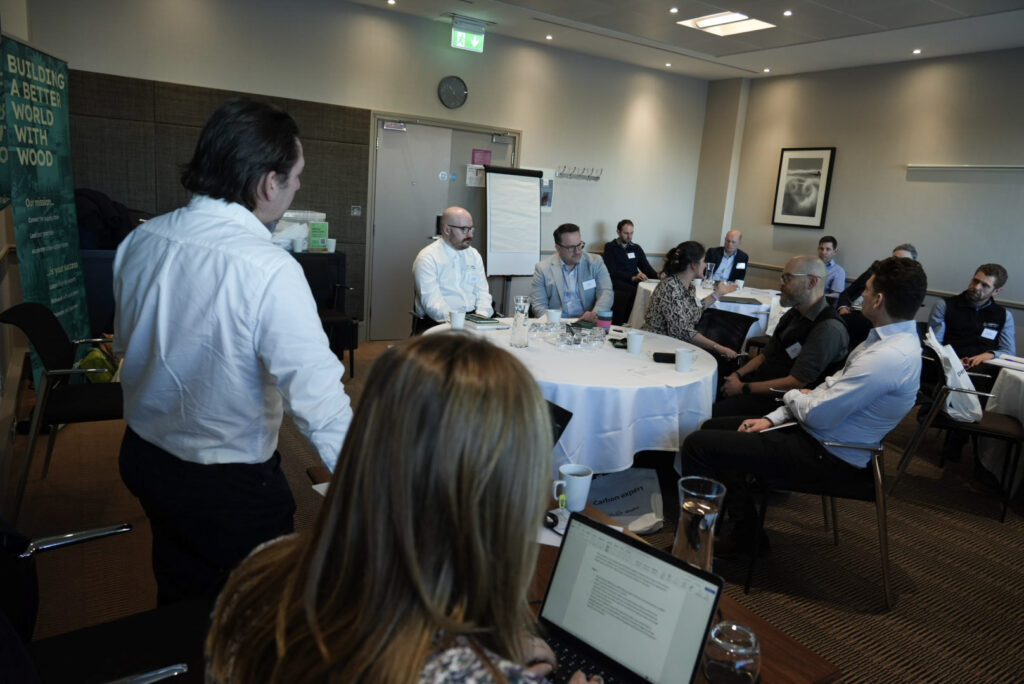
    On 19 March 2026, Mike Bloxsome joined industry leaders, specifiers, and manufacturers at the TDUK / One Click LCA Embodied Carbon Roundtable in Birmingham to tackle one of the most important challenges facing the built environment today: how we measure, manage and reduce embodied carbon.

    What emerged was clear – this is no longer just a compliance issue. It’s a defining opportunity for organisations ready to lead.

    A Market Shift You Can’t Ignore

    The UK construction industry is moving rapidly into a new era of accountability. With evolving Construction Product Regulations and increasing alignment with frameworks like BREEAM Version 7 and SKA Offices 2.0, the expectation for transparent, high-quality carbon data is now becoming both a legal and commercial necessity.

    Add to this the momentum behind the Timber in Construction Roadmap and the anticipated direction of Part Z, and the trajectory is unmistakable: whole-life carbon assessment is becoming embedded into standard practice.

    For forward-thinking organisations, this represents more than risk – it’s a chance to differentiate.

    Turning Strategy into Action

    What made this session particularly valuable was its focus on delivery – practical application rather than high level policy. The conversation has moved on from why embodied carbon matters. The real question now is: how do we make it work efficiently and consistently in practice?

    This is where competitive advantage will be won. Not in policy discussions, but in the ability to implement practical, scalable solutions across the supply chain.

    Simplifying the Data Challenge

    Data remains one of the biggest barriers, but also one of the biggest opportunities. One of the most engaging parts of the conversation revolved around data, specifically:

    • What level of material data is actually required?
    • Are we overcomplicating assessments with excessive detail?
    • Where do Environmental Product Declarations (EPDs) fall short?

    There was a shared recognition that while high-quality data is essential, the current expectations can sometimes feel disproportionate or impractical, particularly for smaller manufacturers.

    The group also debated the role of collective EPDs (such as industry-wide datasets for common timber grades) and whether these can offer a pragmatic stepping stone toward more comprehensive reporting.

    Bridging the Gap Between Standards and Reality

    Frameworks such as those from the Royal Institution of Chartered Surveyors (RICS) are essential in setting direction. However, the industry is still working through how to apply these standards consistently in real-world projects.

    Key challenges remain:

    • Inconsistent data availability
    • Varying interpretation of requirements
    • Time and cost of compliance

    Bridging this gap will be critical if embodied carbon measurement is to scale effectively across the industry.

    The Case for Clear, Consistent Regulation

    A recurring theme was the need for a level playing field. Without clear and enforceable standards, the industry risks fragmentation, uncertainty, and uneven expectations. Early adopters may also find themselves at a competitive disadvantage if others are not held to the same requirements.

    There is a growing call for regulation that is not only ambitious, but also practical – providing clarity, consistency, and confidence across the market.

    Collaboration Drives Progress

    Perhaps the most valuable takeaway from the session was the emphasis on collaboration. Events like this demonstrate that the challenges of embodied carbon cannot be solved in silos. Manufacturers, designers, specifiers, and policymakers all need to work together to:

    • Simplify processes
    • Improve data quality
    • Align expectations
    • Share best practice

    The roundtable was a strong reminder that while the direction of travel is becoming clearer, the journey is still evolving. It is a requirement that is not going away, but has some issues to resolve before it can be demanded by architects/project consultants.


    Embodied carbon roundtable
measure carbon

    Zoe Anstie

    April 23, 2026
    News
    construction products regulations, embodied carbon roundtable, measuring carbon footprint, reduce embodied carbon, street furniture
  • From Benches to Bollards: Creating Accessible Street Furniture to Serve Every User 

    From Benches to Bollards: Creating Accessible Street Furniture to Serve Every User 

    At Langley Design, we believe that community spaces should be welcoming, inclusive and safe for everyone who uses them. 

    That’s why, as one of the UK’s leading street furniture suppliers, we work closely with our clients to create outdoor environments that not only look appealing but also provide comfort, safety and accessibility for all.  

    The Importance of Accessible Street Furniture 

    Accessible public spaces are essential for creating inclusive communities where everyone can participate fully, regardless of age, mobility or background.  

    Encouraging social interaction: accessible public spaces provide safe environments for recreation and travel, and help to foster a stronger sense of belonging. When designed thoughtfully, these spaces improve quality of life by offering places where people can rest, gather, and move about comfortably. Accessibility is not just a legal requirement or a design consideration; it is a vital element in shaping towns and cities that work for all residents and visitors. 

    Public seating makes spaces more welcoming: public seating plays a critical role in making environments more welcoming. Benches positioned along walkways, in parks, and within busy shopping areas give people convenient and clean places to sit down, rest and take in their surroundings. For older adults, those with disabilities and limited mobility, or parents with young children, the presence of accessible and comfortable seating can make the difference between enjoying a space and feeling excluded from it. Well-placed benches also encourage longer visits, increasing community engagement and supporting local businesses. Benches that are integrated with planters can also provide both a welcoming place for people to rest and a built-in space for greenery, enhancing comfort and aesthetics simultaneously. 

    Bollards and door barriers improve public safety: bollards and door barriers contribute to accessibility in a different but equally important way by improving public safety and managing movement within shared areas. They can create pedestrian-only zones that reduce the risk of accidents, offering a secure environment for walking, playing or cycling. In busy urban settings, bollards help to define clear boundaries between vehicles and foot traffic, making spaces easier to navigate and more comfortable to use. Door barriers can also enhance safety by aiding crowd management in busy areas and providing a physical signal of a doorway or hazard which is valuable particularly for visually impaired people. 

    Together, benches, door barriers and bollards form part of a coordinated approach to urban design that prioritises both comfort and safety, ensuring public spaces remain functional, attractive and inclusive for everyone. 

    Our Extensive Product Range 

    Our extensive range of benches, seats, bollards and door barriers are designed with versatility in mind, offering bespoke solutions that meet the specific needs of each project while enhancing the character of the surrounding space. 

    Creating Comfortable and Inclusive Seating for All 

    Public seating benches play a vital role in making towns, cities and shared spaces more inviting. Whether it is a wooden bench seat in a quiet park, a contemporary design for a bustling high street, or a fully accessible model for a healthcare setting, we tailor our bench and seat designs to suit every requirement.  

    Enhancing Public Safety with Bollards and Door Barriers 

    Safety is another core consideration in our work. Our bollards and door barriers are expertly designed to help protect pedestrians and control access in busy areas. By providing clear boundaries between vehicles and walking routes, these products contribute to public safety and support the creation of secure environments. From timber bollards that blend naturally into landscaped areas to more robust designs for high-traffic locations, we offer options that suit a wide range of settings. Door barriers can also be incorporated to protect building entrances, ensuring accessibility is paired with security. 

    And, while benches, door barriers and bollards form an important part of our portfolio, our range of street furniture solutions are more extensive.  

    Our product range includes planters, litter bins, cycle stands, cycle shelters, bin store and a variety of other items that enhance community spaces and support the needs of those who use them. Every piece we create is manufactured to the highest standards, with durability, functionality and aesthetics considered at every stage.  

    What’s more, all our products can be customised in terms of size, finish and material choice, ensuring they integrate seamlessly with the local environment. This flexibility allows us to provide solutions that meet the needs of every user, from young children to older residents, while contributing to the sense of place in each community. 

    Langley Design’s Commitment to Sustainability 

    As part of our commitment to sustainability, we use responsibly sourced materials and design for long service life, helping our clients invest in infrastructure that will serve communities for years to come. 

    Our approach combines skilled craftsmanship with a deep understanding of how public spaces are used.  

    By providing bespoke solutions that balance comfort, style, safety and accessibility, we help to shape spaces that truly work for people. Whether it is a simple public seating bench or a complete scheme of coordinated street furniture, we deliver products that are fit to serve every user and contribute to thriving, inclusive environments. 

    Explore our full range of benches, bollards and other high-quality street furniture, all designed to create safe, accessible and welcoming spaces.  

    Visit our Benches & Seats and Bollards & Door Barriers to find the perfect solutions for your next project. 

    blue bee

    September 1, 2025
    Uncategorized
    community friendly, street furniture
  • The Role of Street Furniture in Creating Community Friendly Spaces

    The Role of Street Furniture in Creating Community Friendly Spaces

    Street Furniture and Community Friendly Spaces

    The very purpose of street furniture is to enhance social interaction; ensuring people have somewhere safe, accessible and comfortable to sit and relax outside whilst waiting for or meeting friends & loved ones, or making their way to another destination.

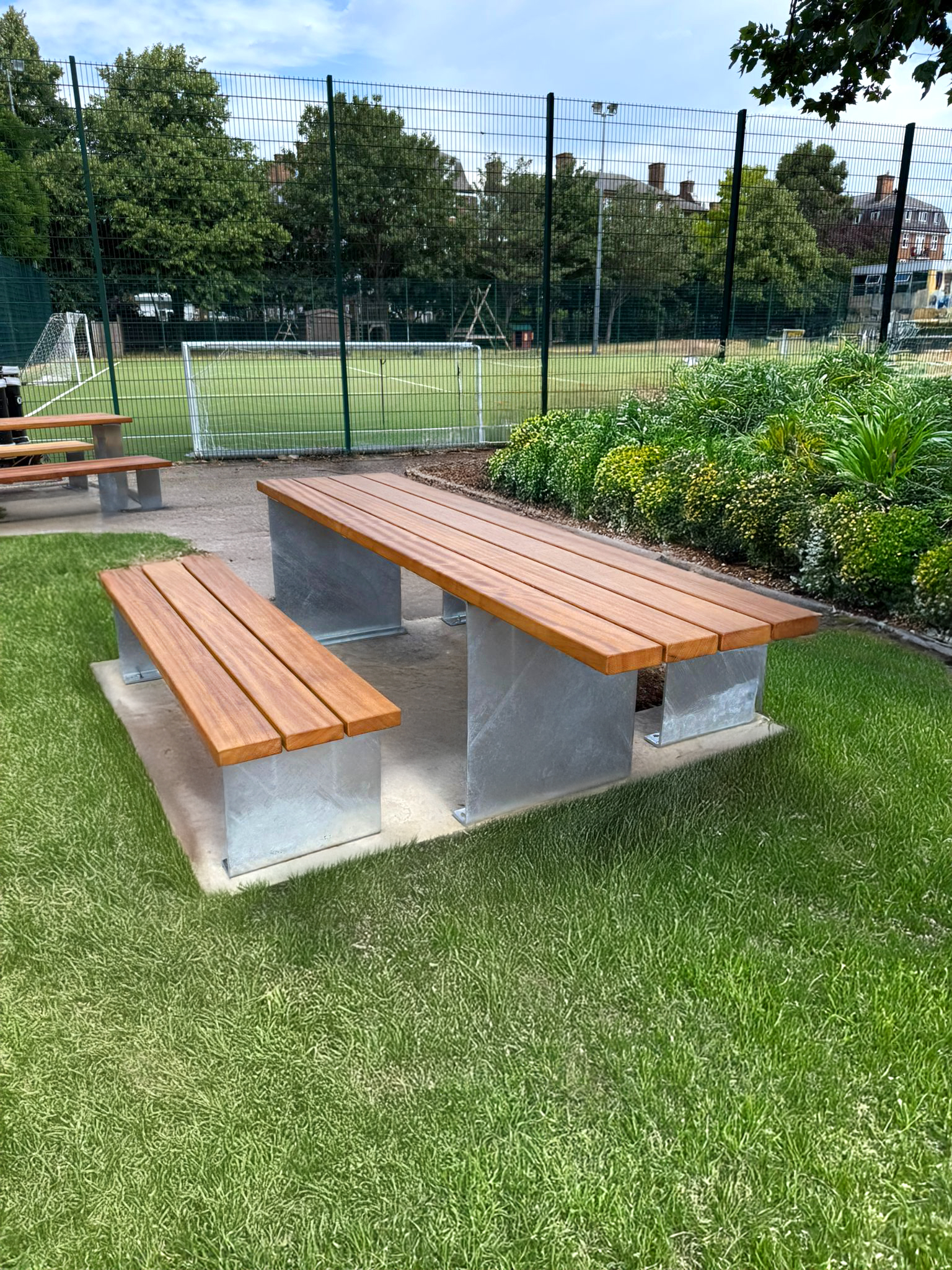
    As such, well-designed, considerate and stylish street furniture plays a truly central role in enhancing communities and bringing people together – helping to shape community friendly spaces. Here, we’ll explore how outdoor seating such as a wooden bench or picnic table can achieve this.

    The Role of Street Furniture in Creating Community Friendly Spaces

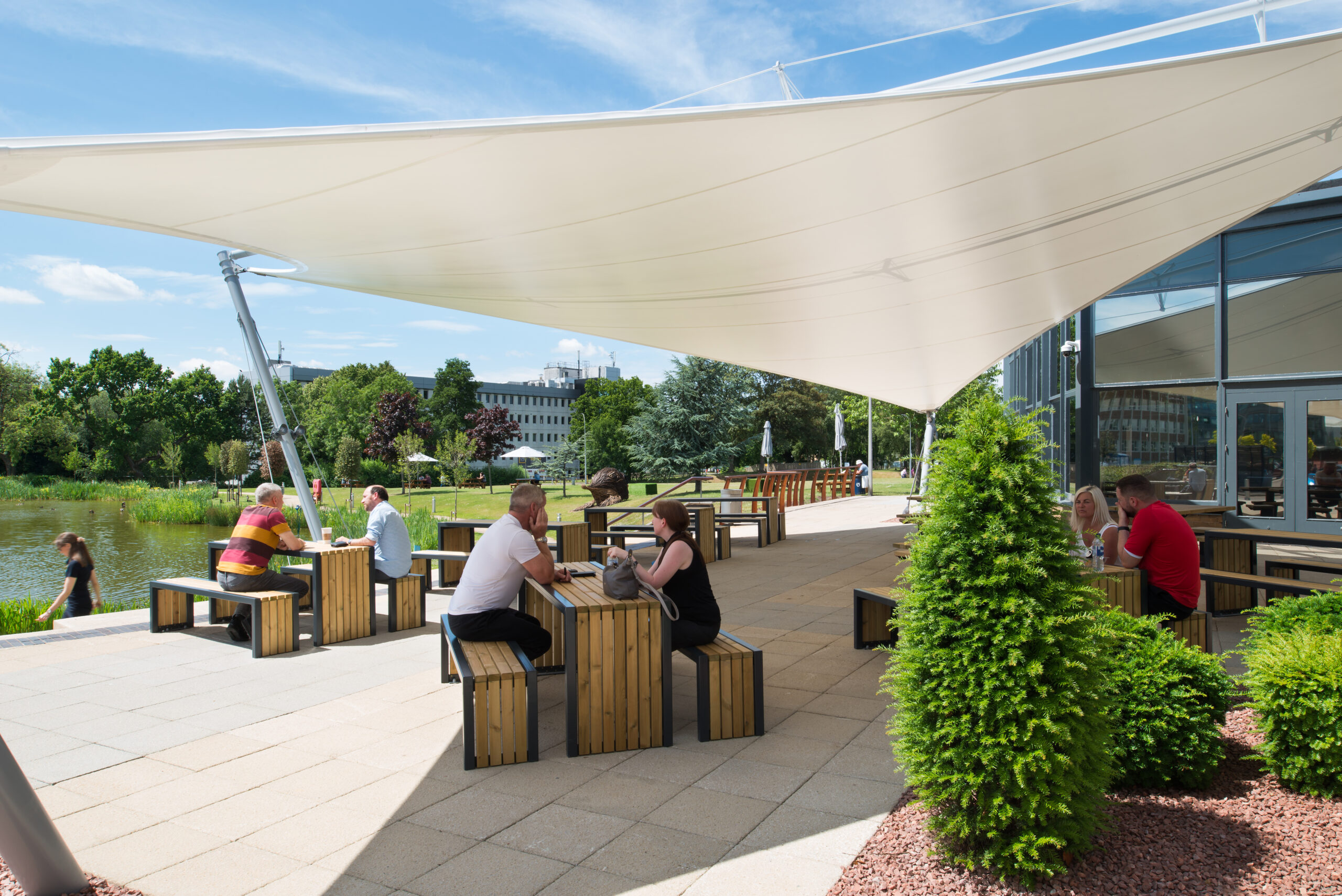
    Encourages social interaction: by providing safe, stylish and comfortable outdoor seating such as wooden benches or picnic tables & benches, street furniture provides places where people can sit, relax and unwind with friends & loved ones, engage in conversation, perhaps enjoy a spot of lunch or a coffee, and take a moment outside of their busy schedule to connect with others.

    Transforms outdoor spaces: what’s more, well-designed street furniture can easily transform outdoor spaces into accessible, comfortable event spaces for any number of community gatherings, such as local festivals, markets or performances; further strengthening social bonds and fostering a deep sense of community.

    Makes outdoor spaces more accessible: outdoor seating also makes outdoor space inherently more accessible, ensuring people who experience or live with limited mobility are supported to sit down, rest and reset if and when they need along their journey – never underestimate the impact of a well-positioned wooden bench!

    Creates aesthetically pleasing spaces: street furniture plays a crucial role in shaping aesthetically pleasing urban spaces by enhancing the visual appeal of public areas, and complementing existing surroundings. Well-designed and maintained street furniture and planters and giant plant pots can transform mundane areas into beautiful, functional spaces that can promote biodiversity and create enjoyment.

    Creates a sense of place and belonging: by encouraging social interaction and helping to create accessible, aesthetically pleasing spaces, street furniture also helps to create a sense of place and belonging; creating welcoming, inviting and safe spaces that feel almost like a home away from home.

    Promotes safety, security and comfort: by enhancing urban spaces and providing essential amenities such as bin stores, bollards, bike racks and cycle shelters, urban street furniture also helps to promote safety, security and comfort; lessening the risk of littering, bicycle theft, and deterring antisocial behaviour.

    Supports sustainability: urban street furniture can also support community efforts to act more sustainably by using recycled and renewable materials, extending the lifespan of products through modular design and easy repair. Alongside this, incorporating greenery into urban areas such as city centres through planters and living roofs serves to improve air quality, absorb noise and nurture biodiversity.

    What Street Furniture Means to Langley Design

    As a leading street furniture manufacturer, we have worked within the UK Construction Industry for nearly 30 years designing, creating and installing street furniture for a number of high-profile projects across a broad range of sectors including Education, Housing, Public Realm, Office and Industrial, Healthcare.

    We pride ourselves on the quality of our products and the outstanding service we deliver; working collaboratively to evaluate each client’s needs and tailor our products to suit design, performance, environmental and cost objectives. Our projects at Christ Church Academy in Birmingham, and Birchwood Business Park in Warrington are two excellent examples of how we have achieved this.

    Here at Langley Design, we believe that street furniture plays an integral role in creating community friendly spaces and ensuring that every space is accessible and everyone feels meaningfully connected to their surroundings. 

    Browse our full range of products, peruse our growing project portfolio or contact us for more information.

    blue bee

    June 5, 2025
    News
    community friendly, picnic benches, picnic tables, street furniture
Langley Design

Unit L (Gate 1)

Chelworth Ind Est

Cricklade

SN6 6HE

///inversely.mime.goodness

Telephone

01793 759 461

Email

info@langleydesign.co.uk

Keep connected

About

About Us

Why Choose Us

Products

Benches & Seats

Bin Stores

Bollards & Door Barriers

Canopies & Shelters

Cycle Parking

Cycle Shelters

Pergolas

Precast Concrete

Picnic Tables

Recycling & Litter Bins

Steel Planters

Timber Planters

Projects

Education

Healthcare

Housing

Offices & Industrial Parks

Public Realm

Universities

Support

Technical

Delivery

Installation

Materials

Product Codes

Environmental

©2024 Langley Marketing Limited (t/a Langley Design)

Website Terms of Use

Privacy Policy and Cookies

This site is protected by reCAPTCHA and the Google Privacy Policy and Terms of Service apply.