Langley Design
  • About Us
  • Products
  • Projects

01793 759 461

  • About Us
    • Team
    • Why Choose Us
  • Products
    • Benches & Seats
    • Bin Stores
    • Bollards & Door Barriers
    • Canopies & Shelters
    • Cycle Parking
    • Cycle Shelters
    • Pergolas
    • Precast Concrete
    • Picnic Tables
    • Recycling & Litter Bins
    • Steel Planters
    • Timber Planters
  • Projects
    • Education
    • Healthcare
    • Housing
    • Offices & Industrial Parks
    • Public Realm
    • Universities
  • Support
    • Technical
    • Delivery
    • Installation
    • Materials
    • Product Codes
    • NBS Source
  • Environmental
  • Blog
  • Contact
  • Langley Design becomes a Planet Mark Certified Business

    Langley Design becomes a Planet Mark Certified Business

    Reinforcing Our Commitment to Sustainability

    We are pleased to announce that we are now a Planet Mark Certified Business having taken the first, but important, step towards achieving Net Zero, at a critical time for our planet.

    Planet Mark is an internationally recognised leader in net zero certification, with over 12 years of experience in helping 800+ Member organisations reduce carbon emissions, achieve net zero targets and generate long-term business value.

    Langley Design worked closely with Planet Mark to measure and report carbon emissions across Scope 1, 2, and 3 as we cannot manage what we do not measure. This includes emissions from sources we create directly, indirectly and from within our Supply Chain. A crucial part of this Certification is also our commitment to reduce Scope 1 & 2 carbon emissions by 5% annually.

    By achieving this certification, Langley Design demonstrates its dedication to sustainable business practices and transparency in environmental reporting.

    “Our Planet Mark certification is a reflection of our ongoing commitment to creating a positive impact on the environment and our communities,” said Liam Shaw, Managing Director. “We are continuously working to reduce our carbon footprint, improve resource efficiency, and foster a culture of sustainability throughout our business operations.”

    The certification process involves rigorous assessment of carbon reduction initiatives, engagement with staff, and sustainable practices across the supply chain. Achieving Planet Mark Business Certification highlights our proactive approach to sustainability and its alignment with global environmental goals.

    View all of Langley Design’s accreditations.

    Zoe Anstie

    March 10, 2026
    News, Uncategorized
    planetmark, planetmarkcertified, sustainability
  • Green Design in Action: Using Forest-Friendly Materials in Outdoor Projects 

    Green Design in Action: Using Forest-Friendly Materials in Outdoor Projects 

    Designing Outdoor Spaces with Nature in Mind 

    As towns, cities and shared outdoor spaces continue to evolve, the materials we choose for outdoor furniture matter more than ever; street furniture is no longer just about durability and visual appeal – it plays an active role in supporting biodiversity, responding to climate responsibility and creating places people genuinely want to spend time. 

    International Day of Forests on 21st March is a timely opportunity to look at how forest-friendly materials can shape better outdoor projects.  

    At Langley Design, sustainability is central to how we design and manufacture outdoor furniture, from wooden benches and picnic bench tables to bespoke seating solutions for the public realm. 

    By choosing responsibly sourced timber and designing for long-term performance, street furniture can support biodiversity, reduce environmental impact and help outdoor spaces feel more natural, welcoming and human. 

    Supporting Biodiversity Through Material Choice 

    Forests are essential to biodiversity, climate regulation and healthy ecosystems. When timber is responsibly sourced, it becomes a renewable material that supports forest management rather than contributing to deforestation. 

    Using certified, sustainably managed timber helps protect wildlife habitats, encourages replanting and ensures forests can thrive for future generations. For outdoor projects, this allows designers and specifiers to balance environmental responsibility with strength, durability and aesthetic warmth. 

    At Langley Design, the materials used in our wooden benches, picnic tables, outdoor seating and covered shelters and structures are carefully selected for their resilience and suitability for long-term outdoor use.  

    Combined with robust steel or concrete elements, these materials create outdoor furniture that performs reliably while maintaining a strong connection to the natural environment. 

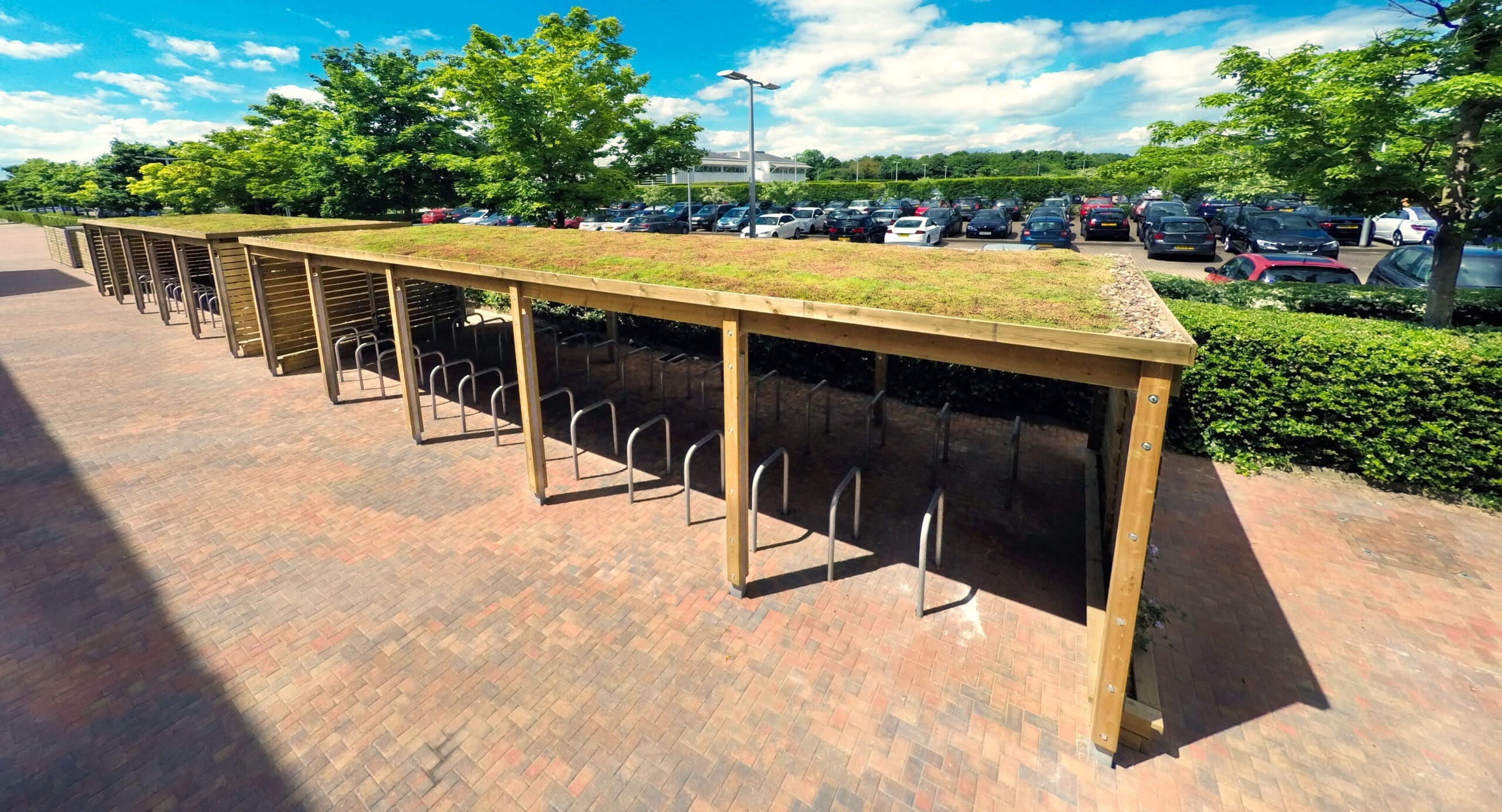
    Green roof cycle shelters are also becoming increasingly more popular which combines responsibly sourced timber with living roof systems to create a practical infrastructure that actively enhances biodiversity. 

    Durable Outdoor Furniture Designed to Last 

    True sustainability goes beyond material sourcing. Longevity is just as important. Well-designed outdoor furniture reduces the need for frequent replacement, helping minimise waste and long-term environmental impact. 

    Forest-friendly timber offers excellent durability when detailed and finished correctly. As it weathers, it develops character rather than deterioration, making it ideal for public spaces such as parks, campuses, housing developments and civic areas. 

    From picnic benches and tables designed for communal dining to timber seating used in educational or workplace settings, durability and responsible material choice work together to create furniture that continues to perform year after year. 

    When constructed using certified, sustainably managed timber, cycle shelters align with the same forest-friendly principles as wooden benches and picnic tables. The addition of a green roof introduces planting that provides habitat for pollinators, supports urban biodiversity and contributes to improved air quality. Sedum or wildflower roof systems can help absorb rainfall, reduce surface water runoff and mitigate the urban heat island effect, all while softening the visual impact of built elements within a scheme. 

    Enhancing Aesthetics and User Experience 

    Forest-friendly materials do more than perform well outdoors. They shape how a space feels and how people choose to use it. Timber, in particular, brings a natural warmth that helps outdoor environments feel calmer, more comfortable and more inviting. 

    Creating visual warmth: Natural timber introduces texture, tonal variation and character that manufactured finishes often lack. This softness helps public spaces feel less rigid and more human, encouraging people to slow down and engage with their surroundings. 

    Encouraging everyday use: Wooden benches and picnic tables naturally invite people to pause. In schools, workplaces and community spaces, they create informal places for rest, conversation and connection, supporting wellbeing through simple, everyday moments outdoors. 

    Connecting people with nature: When combined with planting and open layouts, forest-friendly materials help balance the built environment with natural elements. The result is outdoor furniture that supports both people and nature, creating spaces that feel considered, grounded and easy to spend time in. 

    A Practical Approach to Sustainable Outdoor Design 

    Sustainable outdoor furniture must also meet practical demands. Products need to withstand daily use, changing weather conditions and long-term exposure without compromising safety or comfort. 

    That’s why Langley Design combines responsibly sourced timber with proven construction methods and durable supporting materials. Our picnic tables and benches are designed to perform in real-world environments while aligning with wider environmental goals. 

    Whether part of a public realm scheme, educational campus or community space, each piece of outdoor furniture is designed with care, functionality and sustainability in mind. 

    Designing Outdoor Furniture with Care and Responsibility 

    Green design is about making considered choices that have lasting value. By selecting forest-friendly materials and designing outdoor furniture that lasts, projects can make a positive contribution to biodiversity, user wellbeing and the long-term quality of shared spaces. 

    At Langley Design, we’re proud to support sustainable outdoor projects through responsible sourcing, thoughtful design and picnic tables and benches built for everyday use. 

    Explore our range of wooden benches, picnic bench tables and outdoor furniture to see how forest-friendly materials can help shape resilient, welcoming public spaces. 

    blue bee

    February 23, 2026
    Uncategorized
  • Functional Outdoor Design for University Campuses and Educational Spaces

    Functional Outdoor Design for University Campuses and Educational Spaces

    Creating flexible, durable spaces for learning beyond the classroom

    University and educational campuses are more than places of study; they are social environments, meeting points and spaces where people spend long days moving between lectures, work and downtime.

    As a result, the design of outdoor areas – and the outdoor furniture within them – plays an increasingly important role in how students, staff and visitors experience a campus.

    At Langley Design, we work closely with universities, schools and education providers as experienced street furniture suppliers, creating bespoke solutions that balance function, comfort and longevity. Through well-considered outdoor seating, shelters, canopies and planters, campuses can support social interaction, outdoor learning and relaxation, all while standing up to heavy daily use.

    Designing for Flexibility and Everyday Use

    Educational spaces are dynamic by nature. Outdoor areas may be used for informal study, group discussion, events or simply a quiet moment between classes. Outdoor furniture must adapt easily to these changing demands.

    Flexible outdoor seating arrangements allow spaces to work in multiple ways. Modular benches can be arranged to suit collaborative learning or individual use, while open layouts encourage movement and informal gathering.

    When paired with planters or subtle zoning elements, these arrangements feel organised without becoming restrictive. The aim is to create outdoor spaces that feel intuitive: places people naturally choose to use throughout the day.

    Comfort That Encourages Outdoor Learning

    Comfort plays a key role in how long people spend outdoors. As such, outdoor seating that offers ergonomic support, appropriate seat heights and optional armrests helps students and staff feel at ease, even during longer periods outside.

    What’s more, shelters and canopies further extend the usability of outdoor spaces, by providing protection from rain and shade from the sun, they allow learning, socialising and relaxation to continue throughout the year.

    Thoughtfully positioned covered areas effectively increase the functional footprint of a campus, offering flexible alternatives to indoor rooms.

    Durability for High-Traffic Environments

    Educational campuses experience constant footfall, making durability essential to longevity.

    Outdoor furniture must withstand frequent use, changing weather and minimal maintenance while retaining its appearance.

    As long-established street furniture suppliers, Langley Design uses robust materials such as galvanised steel, precast concrete and sustainably sourced hardwoods to ensure long-term performance.

    These materials age well, maintaining their integrity and developing character over time, a practical solution for busy educational environments.

    Creating Inclusive Spaces and Welcoming Environments

    Outdoor campus environments should feel welcoming and easy to use for everyone. By considering clear pathways, comfortable seating heights and space for mobility aids, inclusive design ensures shared spaces support people of all abilities.

    Lighting and visibility also play an important role, particularly during early mornings and evenings when campuses remain active. When designed thoughtfully, outdoor seating and furniture layouts help spaces feel safer, more comfortable and more inviting for all users.

    Reflecting Identity Through Design

    Campuses often have a strong sense of identity, and bespoke outdoor furniture can help express this visually. From material choices and finishes to custom layouts and colour palettes, street furniture offers a subtle way to reinforce institutional branding.

    Whether aligning with architectural styles or creating recognisable social spaces, tailored design helps outdoor environments feel cohesive and intentional; strengthening a sense of place for students, staff and visitors alike.

    Sustainability at the Heart of Campus Design

    Sustainability is increasingly central to educational design. Choosing long-lasting materials, responsibly sourced timber and durable finishes supports environmental goals while reducing long-term maintenance and replacement.

    Integrated planters also contribute to wellbeing and biodiversity, introducing greenery into built environments and helping soften large-scale developments. These elements enhance the overall impact of outdoor furniture, creating spaces that are healthier and more enjoyable to use.

    Real-World Applications of Langley Design Bespoke Solutions

    We have seen first-hand how thoughtful outdoor design can elevate educational environments across the UK. Two recent projects – one in higher education and one in a school setting – highlight how bespoke solutions support everyday campus life.

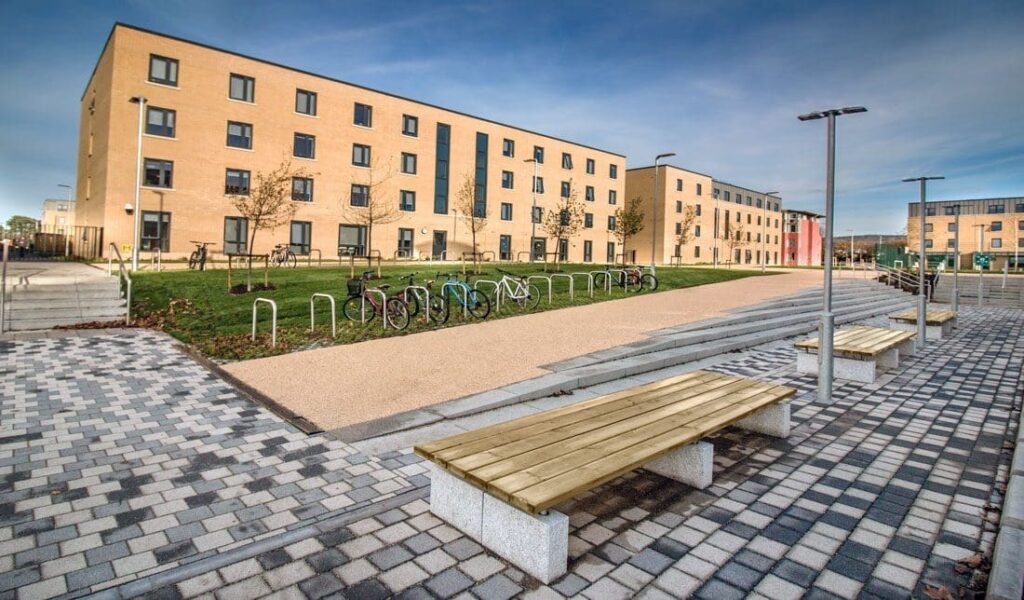
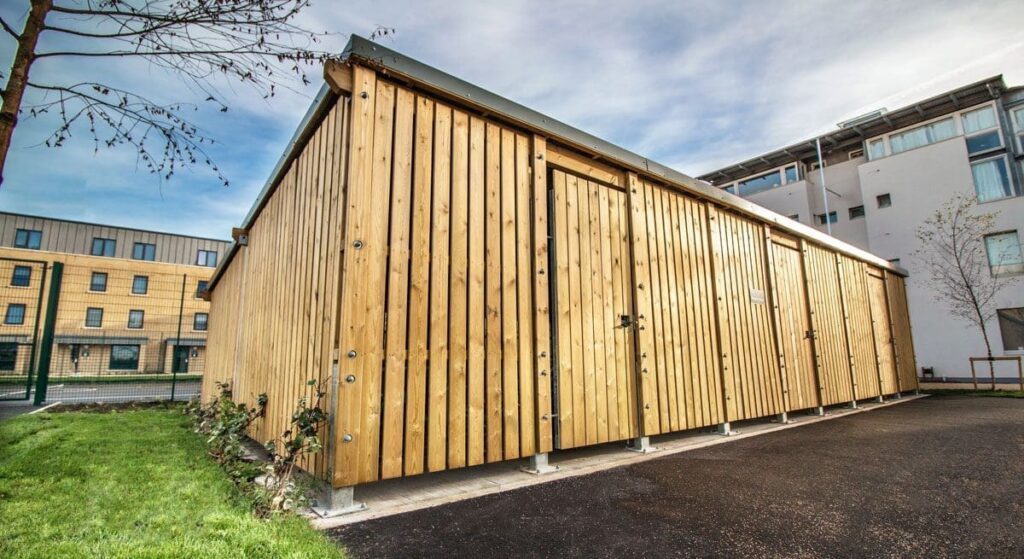
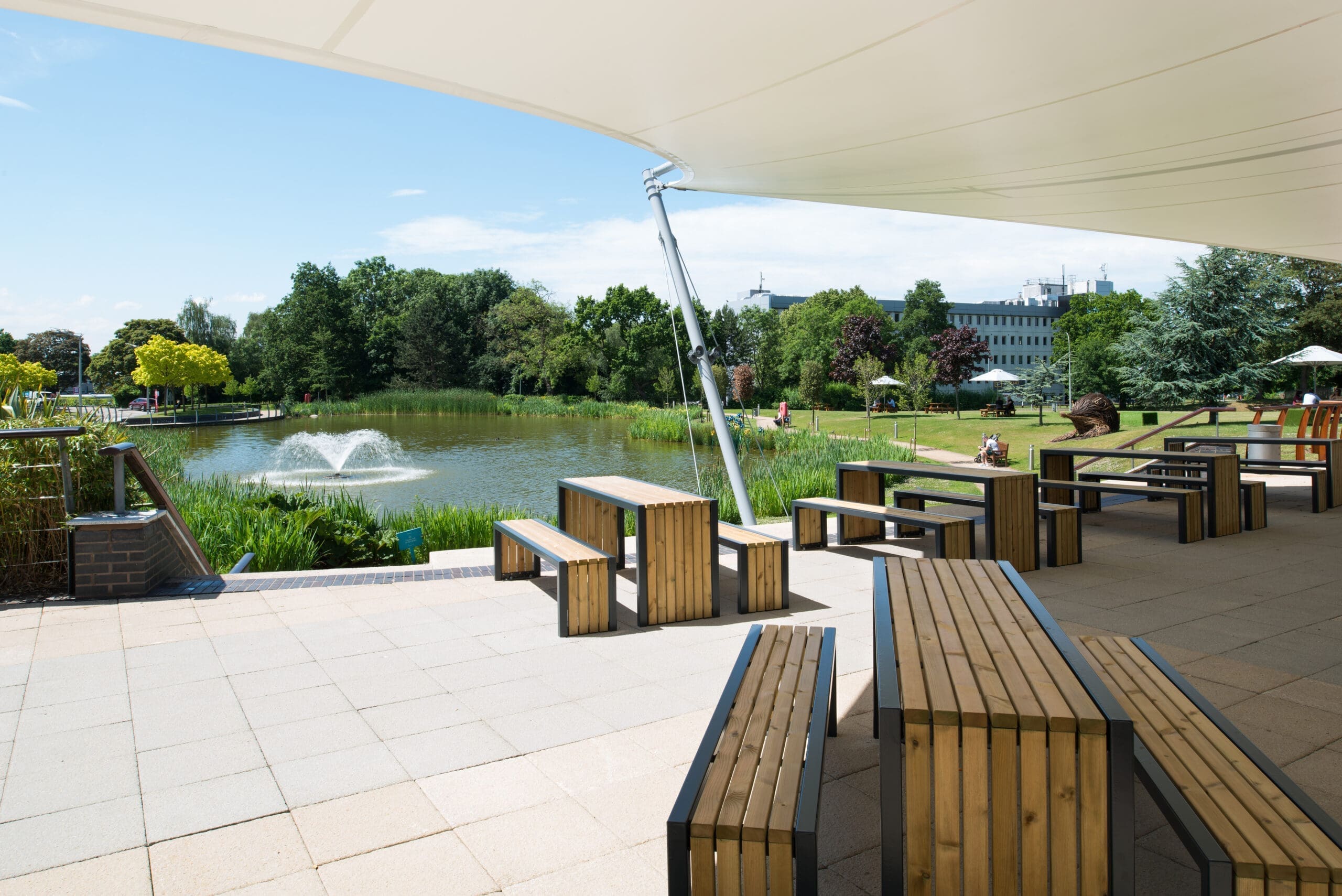
    At UWE Purdown View in Bristol, for example, a student accommodation development built to Passivhaus sustainability standards, Langley Design delivered a range of functional external elements tailored to student use. The scheme includes a large tensile canopy, timber-clad bin stores and extensive cycle parking facilities. Together, these features create sheltered outdoor areas for socialising and relaxation, while supporting sustainable travel and maintaining a clean, organised landscap

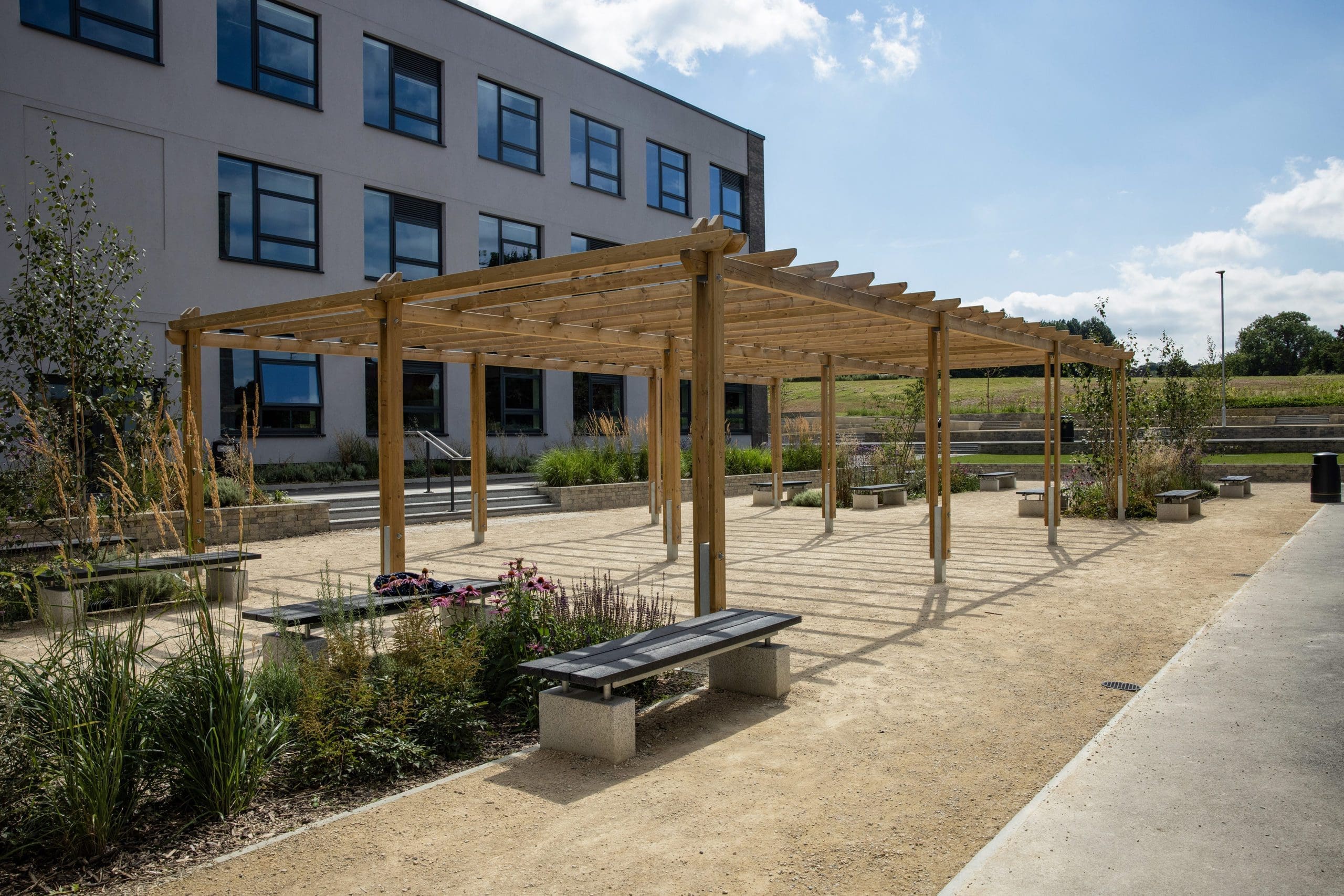
    In a differrent educational context, Avanti Fields School in Leicester demonstrates how carefully designed outdoor seating and integrated planting can support inclusivity and engagement for younger users. Bespoke seating areas form welcoming break-out zones and informal gathering spaces, encouraging outdoor learning, social interaction and moments of rest throughout the school day.

    Both projects show how outdoor furniture can be successfully integrated into wider campus landscapes; balancing durability, comfort and visual appeal while supporting wellbeing and community connection.

    Designing Spaces That Support Campus Life

    Well-designed outdoor furniture supports the rhythm of campus life: offering places to collaborate, recharge and connect and, as experienced street furniture suppliers, Langley Design delivers bespoke solutions that help educational environments function better every day.

    Explore our range of outdoor seating, shelters, canopies and planters to see how we can help shape outdoor spaces that work for education today and into the future.

    blue bee

    January 21, 2026
    Uncategorized
  • Urban Greenery: Combining Planters and Seating for Better Public Spaces

    Urban Greenery: Combining Planters and Seating for Better Public Spaces

    How integrated planting and seating creates spaces people want to spend time in

    Across towns, campuses and community environments, there is a growing desire to make public spaces feel greener, warmer and more inviting. As we prioritise wellbeing and outdoor social engagement, the simple addition of planting – especially when paired with well-designed seating – can completely transform the way people experience a place.

    At Langley Design, we believe that public spaces thrive when they balance function with nature. By integrating planters with benches and seating elements, we can create welcoming areas that support social interaction, improve visual appeal and contribute to healthier, more vibrant environments.

    Why Seating and Planters Work Together So Well

    Greenery has an immediate impact; softening the hard landscape of urban environments and bringing colour, texture and life to shared spaces. When planting is incorporated directly into seating design, the two functions complement each other beautifully.

    Integrated planters can help to –

    Enhance wellbeing: Natural planting brings a sense of calm into even the busiest environments. Greenery supports mental wellness, reduces stress, and can improve local air quality, helping people feel more relaxed, comfortable and connected to nature while they sit or pass through a space.

    Encourage social use: When seating is surrounded by greenery, it feels softer, more welcoming and more enjoyable to spend time in. People naturally gravitate towards spaces that feel warm and alive, and planting can encourage conversation, rest and informal gathering, turning a simple bench into a social point of connection.

    Define movement and space: Planters can guide how people move without the need for rigid boundaries. They create gentle structure, shaping the flow of pedestrians, separating zones where necessary, and helping spaces feel organised while still open and inclusive.

    Introduce seasonal interest: Planting evolves through the year, bringing changing colours, textures and scents to public spaces. This natural shift adds personality and rhythm to a place, ensuring it feels engaging not just on day one, but throughout the seasons, offering something new each time someone visits.

    Rather than adding greenery as an afterthought, combined seating and planter arrangements create cohesion, transforming functional furniture into a holistic landscape feature.

    Designing Public Spaces That Feel Alive

    The placement and configuration of seating and planters can completely shape how a space feels and functions. It isn’t just about where people sit, it’s about how they move, gather, pause and interact with their surroundings. When layouts are thoughtful, even a simple courtyard or pathway can become a place where people naturally gravitate.

    Modular furniture systems offer great flexibility here. Curved or linear configurations allow designers to carve out spaces for different behaviours; sociable clusters for group interaction, open edges for movement, and quieter pockets for reflection. Hard-wearing materials such as hardwood timber, galvanised steel or concrete ensure durability outdoors, while planting introduces softness, scale and a sense of life that can otherwise be hard to achieve in urban settings.

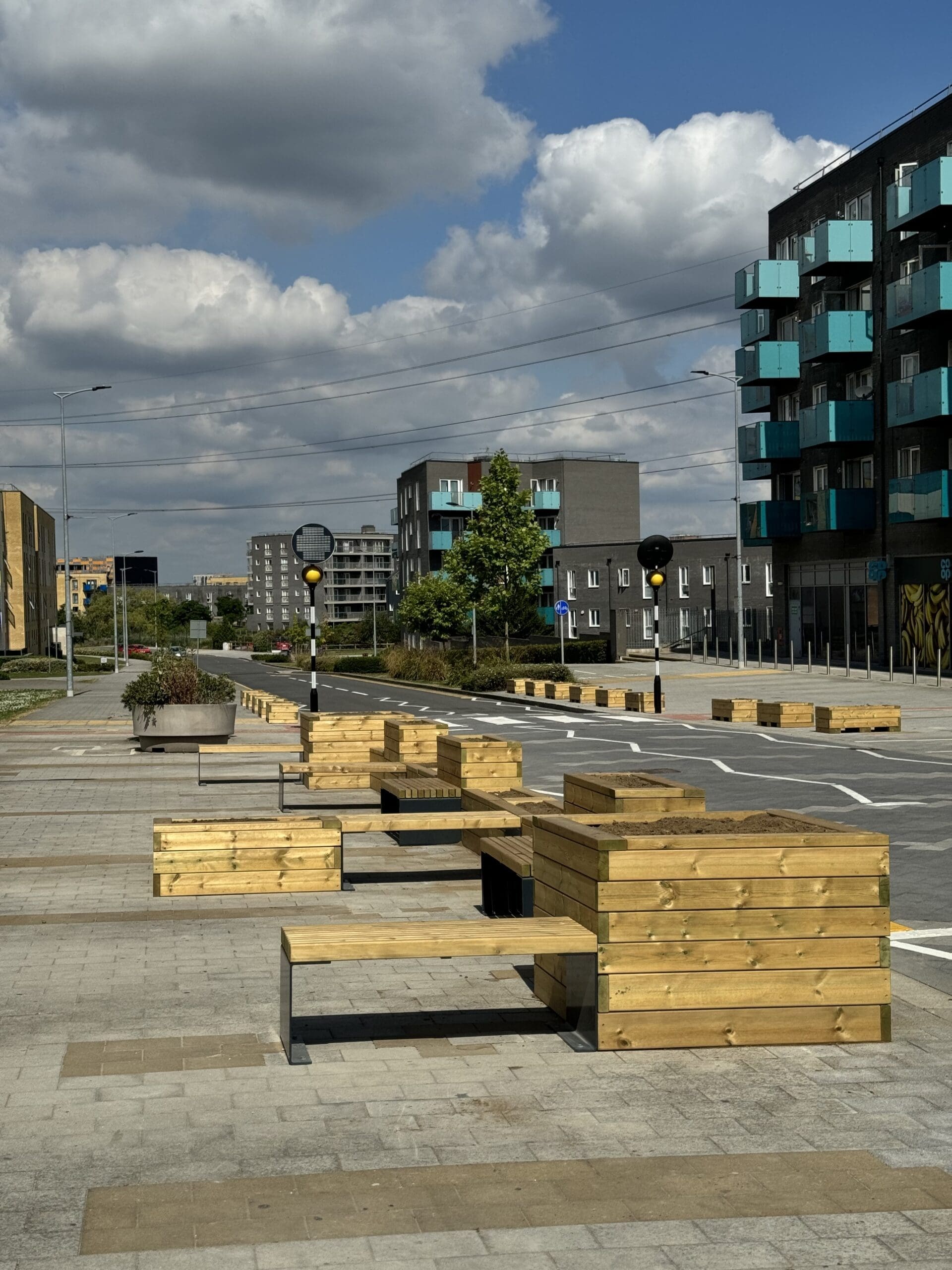
    A run of benches with integrated planters, for example, can form a natural green edge along a busy pedestrian route, softening the landscape while also guiding movement. Circular seating planters can act as social anchors, inviting people to meet, rest and spend time in the space. In larger public realms, staggered or multi-level arrangements can subtly direct footfall while breaking up open areas into more human, approachable proportions.

    The results go beyond function; these interventions influence the atmosphere – making public spaces feel more welcoming, more intentional, and more alive.

    Thoughtful Barriers That Feel Natural

    Urban areas often require subtle division; to separate pedestrian zones, reduce conflict between users or manage movement. Instead of relying solely on railings, bollards and hard boundaries, integrated planters present a softer, more welcoming alternative.

    Green elements act as:

    • Natural space dividers without obstructing views
    • Wind and noise softeners within busy zones
    • Visual buffers to surrounding roads or buildings

    This balance of utility and beauty helps create spaces that are both safer and more comfortable for everyday use.

    Real-World Applications

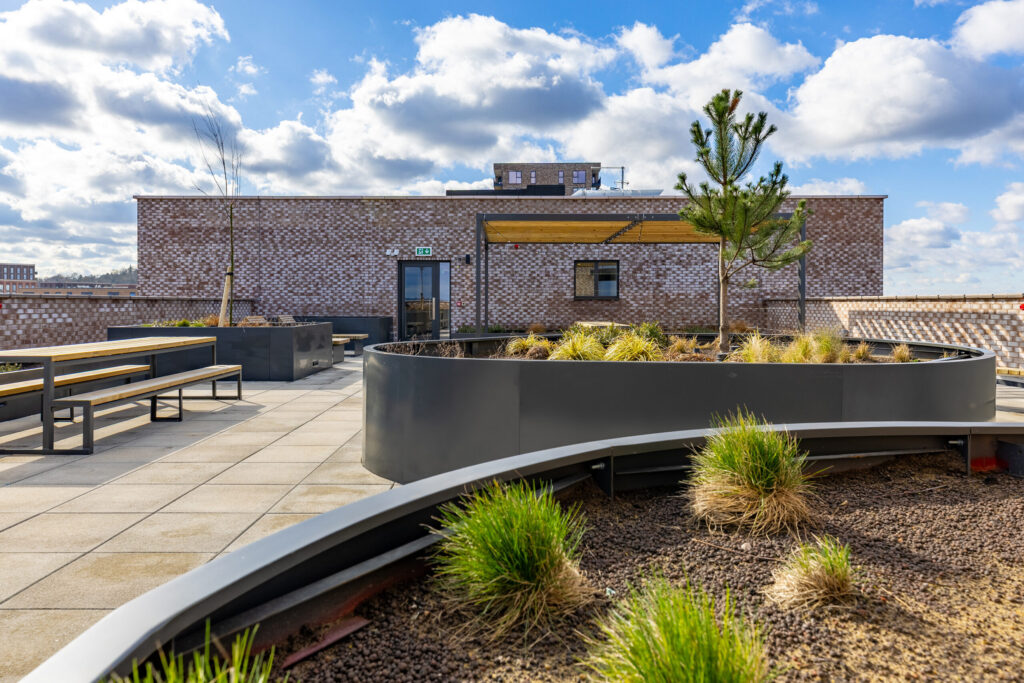
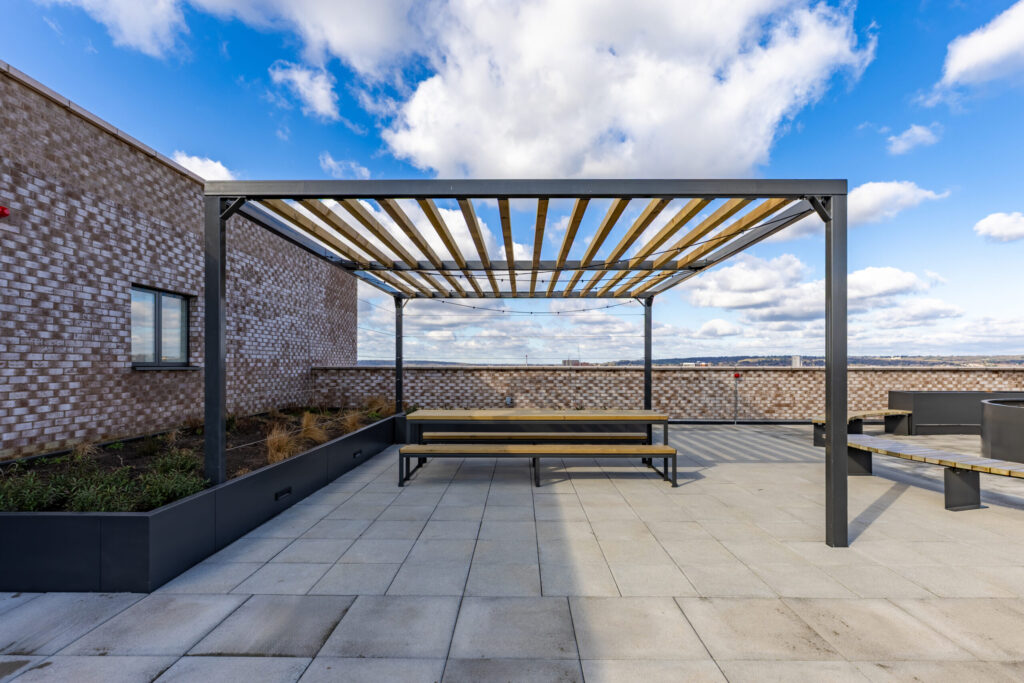
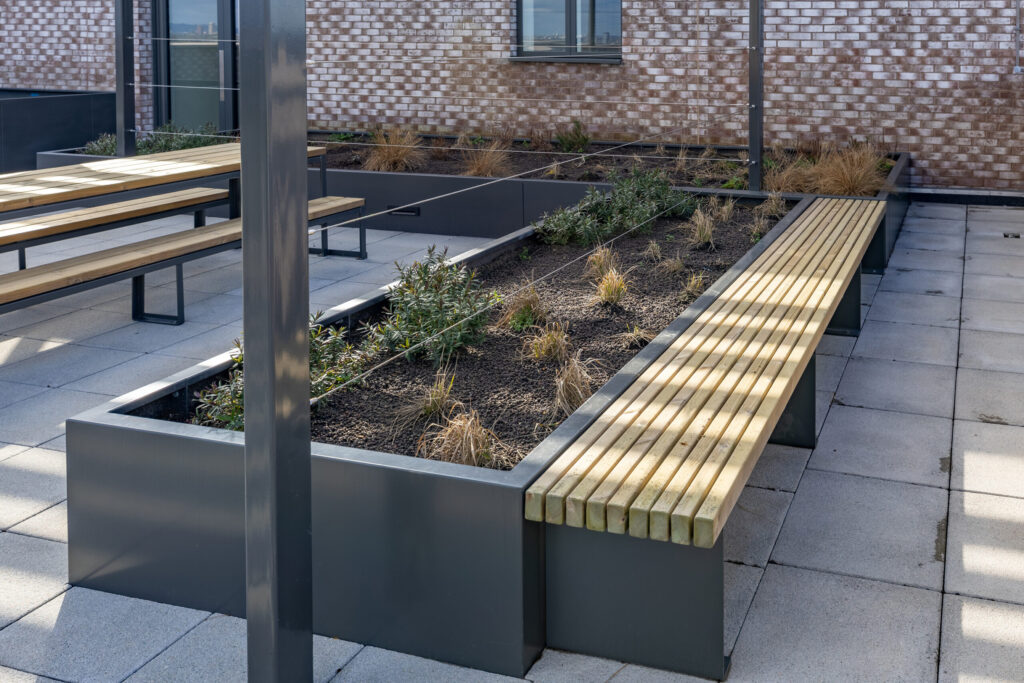
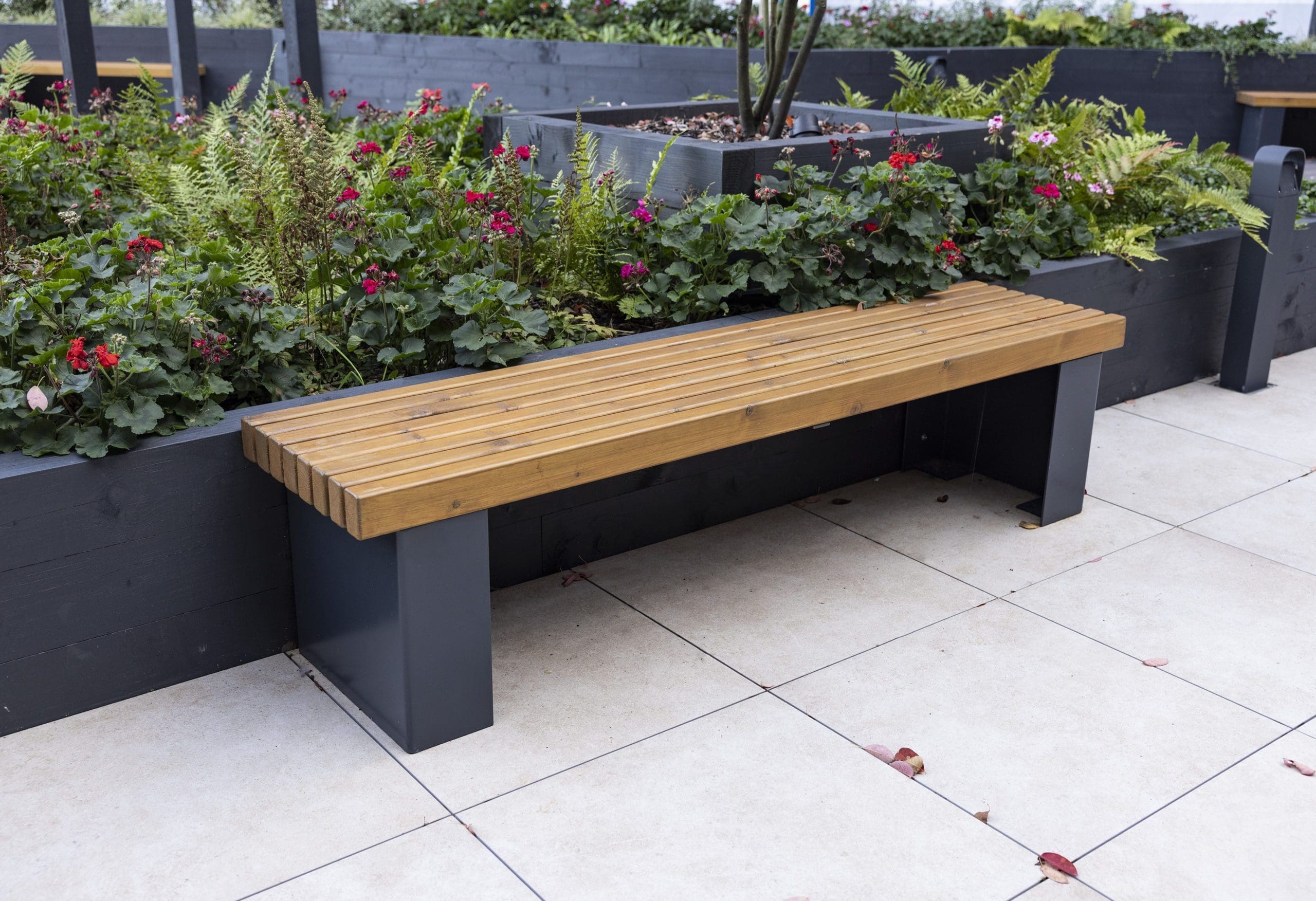
    We have seen first-hand how integrated seating and planters transform public environments across the UK. A recent example is The Fairfax in Bristol, where bespoke steel planters were paired with integrated timber bench seating to shape the building’s outdoor terrace spaces.

    Here, greenery softens the contemporary architecture while the seating offers a comfortable place for office workers and visitors to relax, meet informally or take time outdoors throughout the day. What could have been a simple rooftop area now feels warm, engaging and well-used – proof of how planting and seating together can elevate everyday space.

    Installations like this often become the most-used areas on a site, where people naturally gravitate for rest, conversation and connection.

    From commercial terraces like The Fairfax to public squares and education campuses, integrated planter-seating solutions continue to demonstrate their value in shaping healthier, more social urban environments.

    Bringing Life Into Public Environments

    As towns and cities continue to prioritise wellbeing and outdoor engagement, the integration of greenery into public seating will play a key role in shaping more human-centred spaces. At Langley Design, we’re committed to creating furniture that enhances its surroundings — not only through form and function, but through the life it brings.

    Explore our planter and seating solutions to see how we can help you introduce structure, softness and social value into your next project.

    blue bee

    December 15, 2025
    Uncategorized
  • Smart Cities Need Smart Furniture: The Next Wave of Urban Innovation 

    Smart Cities Need Smart Furniture: The Next Wave of Urban Innovation 

    How thoughtful design and innovation are shaping the connected cities of tomorrow 

    As we look ahead to 2026, our towns and cities are continuing to adapt to the ways people live, move and interact. From how we commute to how we rest, urban design is being reshaped by the push for smarter, greener and more connected spaces. 

    At the heart of these environments sits something deceptively simple: street furniture.  

    Benches, bike shelters, planters and bicycle storage units are no longer static fixtures; they’re becoming active parts of the city, designed to meet the needs of a new generation of both residents and visitors. 

    At Langley Design, we believe that smart cities need smart furniture; adaptable, durable and people-focused products that help transform public spaces into functional, welcoming and intelligent spaces. 

    Designing for Mobility and Connection 

    The way we move through our towns and cities is changing fast, as the rise of e-scooters and e-bikes has transformed urban mobility, and the spaces around us need to evolve with it. 

    And modern urban furniture can play a crucial role in supporting this shift.  

    Secure bike storage and bicycle shelters with integrated charging points are helping to make sustainable travel more convenient, while modular benches and canopies provide flexible areas to rest, meet or work outdoors. 

    By designing adaptable layouts that accommodate movement, social interaction and safety, we can ensure our public spaces serve both people and progress. 

    Where Technology Meets Craftsmanship 

    As technology shapes the future of our cities, it’s important that innovation remains grounded in quality and design integrity.  

    At Langley Design, we believe that digital integration, such as smart lighting, charging facilities and embedded sensors, should enhance, not overwhelm, a space. 

    Our approach blends contemporary functionality with materials known for their beauty and longevity, such as hardwood timber, galvanised steel and precast concrete. The result is street furniture that not only performs but also complements its environment and stands the test of time. 

    UK Street Furniture Trends for 2026 

    As cities continue to evolve, so too does the way we design the spaces between buildings, and the next wave of street furniture design in the UK is moving towards a softer, more natural aesthetic, one that feels genuinely in tune with its surroundings. 

    Street furniture designers are increasingly turning to materials that express both sustainability and strength, such as aluminium, galvanised steel and responsibly sourced hardwoods.  

    These materials pair beautifully with warm, earthy tones and rounded, more sculptural forms that invite people to sit, stay and connect. 

    A key influence shaping 2026 is biophilic design; the idea of weaving nature back into our urban environments. As such, planters and integrated greenery are becoming a defining feature of urban furniture, not just as decoration but as a way to improve wellbeing, air quality and the overall character of public spaces. 

    At Langley Design, we see these trends as an opportunity to humanise smart cities: by combining natural materials with modern function, we create urban furniture that feels as good as it looks, durable, welcoming, and made to enrich everyday life. 

    Creating Smarter, More Inclusive Public Spaces 

    A truly smart city isn’t just connected by technology, it’s connected by people, and accessibility, safety and comfort remain at the heart of effective street furniture design. 

    Thoughtful lighting, intuitive layouts and inclusive seating arrangements all contribute to spaces that encourage participation and promote wellbeing.  

    Whether it’s a sheltered bench near a cycle hub or a planter-lined walkway through a business district, these small details make public areas feel safer, more inviting and more human. 

    Looking Ahead to 2026 and Beyond 

    The next generation of public spaces will be defined by adaptability, innovation and connection.  

    As cities grow smarter, the team at Langley Design will continue to combine craftsmanship with creativity; designing beautiful, functional urban furniture that bridges the gap between form and function, technology and people. 

    From bike storage to bicycle shelters, planters and seating, our products are built to help shape the cities of the future, places that work beautifully, sustainably and intelligently. 

    Explore our street furniture ranges and discover how we can help you design spaces that are smarter, greener and ready for the future of street furniture design and function.

    blue bee

    November 21, 2025
    Uncategorized
  • Remembering Through Design: Street Furniture as Memorial and Reflection Spaces

    Remembering Through Design: Street Furniture as Memorial and Reflection Spaces

    Creating spaces of quiet reflection through thoughtful design

    Each year, Remembrance Day offers a time for communities to pause, reflect, and honour those who have served and sacrificed for our nation.

    Across the UK, these moments of remembrance often take place in shared outdoor settings such as quiet corners, landscaped gardens, public parks or civic squares where thoughtful street furniture helps shape meaningful spaces for reflection and connection.

    At Langley Design, we believe that well-considered street furniture can transform everyday environments into dignified places of memory, and with the right balance of form, material and placement, simple elements such as public seating benches, memorial seats and planters can turn underused spaces into welcoming, contemplative areas that bring people together.

    Quiet Strength and Endurance

    Designing spaces for remembrance requires both sensitivity and understanding. Every detail, from the curve of a seat to the warmth of a timber finish, contributes to how a place feels.

    Materials such as oak or iroko bring natural beauty and longevity, while steel or concrete bases add stability and permanence. Together, they create an atmosphere of quiet strength and endurance.

    Placed thoughtfully, public seating benches invite moments of stillness, somewhere to sit, reflect, or simply take in the surroundings. Integrated planters help soften harder landscapes, bringing life, colour and renewal that balance the solemnity of remembrance with a sense of hope and continuity.

    Finding Shared Meaning

    Memorial spaces are not only about honouring the past, they also offer opportunities for communities to come together, reflect and find shared meaning. Whether situated within hospital grounds, a school courtyard or a civic square, street furniture plays an important role in defining how these spaces are used and experienced.

    Through collaboration with architects, local authorities and community groups, Langley Design creates bespoke memorial spaces that balance emotion with practicality. From engraved plaques to coordinated material palettes, every element can be tailored to reflect the values, history and identity of the people it represents.

    Finding The Balance Between Function and Sentiment

    Designing for remembrance means finding the right balance between practicality and respect. Street furniture within memorial spaces must offer comfort, accessibility and longevity while maintaining a tone of dignity and calm.

    Every design decision shapes how a space feels and functions over time. Our approach focuses on four key principles:

    Durability and Quality: Our benches, seats and planters are crafted from durable, weather-resistant materials such as hardwoods, galvanised steel and precast concrete. These materials age beautifully, developing a natural patina that adds depth and character to the space over time.

    Aesthetic Harmony: whether in a landscaped garden or civic setting, each piece of street furniture is designed to sit comfortably within its environment. Finishes, colours and materials are chosen carefully, warm timbers for softer, natural spaces or sleek metalwork for more contemporary memorial designs.

    Accessibility: inclusive layouts make sure people of all ages and abilities can participate, with appropriate seat heights, armrests and level access throughout. Thoughtful lighting and positioning add a sense of safety and comfort, ensuring these community spaces remain welcoming all year round.

    Bespoke Details: benches can include engraved dedications or subtle plaques, while planters can feature chosen flowers or symbolic plantings. These details make each space truly personal, a place where shared memory and identity are expressed through design.

    Balancing functionality and sentimentality ensures every memorial space feels cared for, purposeful and alive with quiet meaning.

    Designing with Meaning And Intent

    Every project carries its own story, and our role is to help bring that story to life through thoughtful, enduring design. Combining craftsmanship with empathy, Langley Design supports the creation of street furniture that honours the past while enriching the present.

    Explore our range of benches, seats and planters to see how we can help you create dignified, reflective spaces that remember with meaning and invite connection.

    blue bee

    November 3, 2025
    Uncategorized
  • From Car Parks to Community Hubs: How Street Furniture Transforms Underused Spaces

    From Car Parks to Community Hubs: How Street Furniture Transforms Underused Spaces

    Turning Underused Spaces into Vibrant Community Hubs 

    Across towns and cities, underutilised areas such as empty car parks, neglected forecourts, bland office plazas, or leftover spaces beside transport hubs often sit idle, offering little value to local people. With thoughtful design and the right investment, these overlooked sites can be transformed into vibrant, people-focused destinations. At Langley Design, we’ve seen how street furniture can turn these areas into thriving community spaces where people want to gather, pause and connect. 

    Reimagining Everyday Environments 

    What might look like a simple stretch of asphalt can, with careful planning, become a welcoming meeting point. The addition of public seating and benches encourages people to sit, chat and interact. Incorporating planters softens the landscape, bringing greenery into otherwise stark areas and making them more inviting. Canopies and shelters add shade and comfort, ensuring the space can be used throughout the year. 

    Fostering Social Interaction 

    When people have access to comfortable, well-designed places to sit and rest, community life flourishes. Parents waiting for children, colleagues on lunch breaks or neighbours enjoying an evening stroll all benefit from outdoor settings that feel welcoming. Well-placed benches and seating clusters naturally encourage conversation and togetherness. 

    Improving Accessibility and Safety 

    Street furniture does more than beautify a space, it makes it functional, safe, and accessible for everyone.  

    Thoughtful placement and design can transform underused areas into environments where people feel confident moving, socialising, and spending time, and by considering accessibility and safety from the outset, communities can enjoy spaces that are both welcoming and practical. 

    Key ways street furniture enhances accessibility and safety include: 

    Clear Pathways and Wayfinding: Strategically placed benches, planters, and bollards help guide pedestrian flow, ensuring that pathways are obvious and easy to navigate for people of all abilities. 

    Sheltered Seating and Canopies: Providing weather protection allows spaces to be used year-round, accommodating everyone from parents with children to older adults. 

    Defined Pedestrian Areas: Delineating walkways from parking or vehicular zones reduces the risk of accidents and improves overall site safety. 

    Lighting and Visibility: Integrated lighting around seating, pathways, and entrances improves visibility at night, discouraging anti-social behaviour and making spaces feel safer. 

    Bollards and Barriers: Thoughtful barriers protect pedestrians while maintaining accessibility, creating multifunctional areas where both people and vehicles can coexist safely. 

    Cycle Parking and Active Travel Support: Providing convenient bike racks encourages sustainable travel and helps reduce congestion, supporting a more accessible and user-friendly environment. 

    Inclusive Design Features: Furniture that considers wheelchair access, varying seat heights, and tactile elements ensures all members of the community can comfortably use the space. 

    By integrating these elements, a once-overlooked car park or grey space can become a safe, inclusive, and inviting community space that people are drawn to visit regularly. 

    Enriching Spaces with Design 

    The transformation of an underused site is not only about function, it’s also about identity. 

    A coordinated mix of furniture elements can bring character and life to a space, reflecting the needs of its community. Whether through timber benches that add a natural warmth, steel-framed planters that add structure and greenery, or modular canopies that provide flexible cover, the result is a richer and more welcoming place. 

    At Langley Design, we specialise in creating solutions that adapt to the needs of each individual project. 

    Our team can help reimagine your outdoor environment with street furniture that blends durability, style and practicality. From public seating benches and planters to bespoke canopies, we’re passionate about turning overlooked spaces into thriving community spaces. 

    Explore our product range today and see how we can help you create places people love to use. 

    blue bee

    October 1, 2025
    Uncategorized
  • From Benches to Bollards: Creating Accessible Street Furniture to Serve Every User 

    From Benches to Bollards: Creating Accessible Street Furniture to Serve Every User 

    At Langley Design, we believe that community spaces should be welcoming, inclusive and safe for everyone who uses them. 

    That’s why, as one of the UK’s leading street furniture suppliers, we work closely with our clients to create outdoor environments that not only look appealing but also provide comfort, safety and accessibility for all.  

    The Importance of Accessible Street Furniture 

    Accessible public spaces are essential for creating inclusive communities where everyone can participate fully, regardless of age, mobility or background.  

    Encouraging social interaction: accessible public spaces provide safe environments for recreation and travel, and help to foster a stronger sense of belonging. When designed thoughtfully, these spaces improve quality of life by offering places where people can rest, gather, and move about comfortably. Accessibility is not just a legal requirement or a design consideration; it is a vital element in shaping towns and cities that work for all residents and visitors. 

    Public seating makes spaces more welcoming: public seating plays a critical role in making environments more welcoming. Benches positioned along walkways, in parks, and within busy shopping areas give people convenient and clean places to sit down, rest and take in their surroundings. For older adults, those with disabilities and limited mobility, or parents with young children, the presence of accessible and comfortable seating can make the difference between enjoying a space and feeling excluded from it. Well-placed benches also encourage longer visits, increasing community engagement and supporting local businesses. Benches that are integrated with planters can also provide both a welcoming place for people to rest and a built-in space for greenery, enhancing comfort and aesthetics simultaneously. 

    Bollards and door barriers improve public safety: bollards and door barriers contribute to accessibility in a different but equally important way by improving public safety and managing movement within shared areas. They can create pedestrian-only zones that reduce the risk of accidents, offering a secure environment for walking, playing or cycling. In busy urban settings, bollards help to define clear boundaries between vehicles and foot traffic, making spaces easier to navigate and more comfortable to use. Door barriers can also enhance safety by aiding crowd management in busy areas and providing a physical signal of a doorway or hazard which is valuable particularly for visually impaired people. 

    Together, benches, door barriers and bollards form part of a coordinated approach to urban design that prioritises both comfort and safety, ensuring public spaces remain functional, attractive and inclusive for everyone. 

    Our Extensive Product Range 

    Our extensive range of benches, seats, bollards and door barriers are designed with versatility in mind, offering bespoke solutions that meet the specific needs of each project while enhancing the character of the surrounding space. 

    Creating Comfortable and Inclusive Seating for All 

    Public seating benches play a vital role in making towns, cities and shared spaces more inviting. Whether it is a wooden bench seat in a quiet park, a contemporary design for a bustling high street, or a fully accessible model for a healthcare setting, we tailor our bench and seat designs to suit every requirement.  

    Enhancing Public Safety with Bollards and Door Barriers 

    Safety is another core consideration in our work. Our bollards and door barriers are expertly designed to help protect pedestrians and control access in busy areas. By providing clear boundaries between vehicles and walking routes, these products contribute to public safety and support the creation of secure environments. From timber bollards that blend naturally into landscaped areas to more robust designs for high-traffic locations, we offer options that suit a wide range of settings. Door barriers can also be incorporated to protect building entrances, ensuring accessibility is paired with security. 

    And, while benches, door barriers and bollards form an important part of our portfolio, our range of street furniture solutions are more extensive.  

    Our product range includes planters, litter bins, cycle stands, cycle shelters, bin store and a variety of other items that enhance community spaces and support the needs of those who use them. Every piece we create is manufactured to the highest standards, with durability, functionality and aesthetics considered at every stage.  

    What’s more, all our products can be customised in terms of size, finish and material choice, ensuring they integrate seamlessly with the local environment. This flexibility allows us to provide solutions that meet the needs of every user, from young children to older residents, while contributing to the sense of place in each community. 

    Langley Design’s Commitment to Sustainability 

    As part of our commitment to sustainability, we use responsibly sourced materials and design for long service life, helping our clients invest in infrastructure that will serve communities for years to come. 

    Our approach combines skilled craftsmanship with a deep understanding of how public spaces are used.  

    By providing bespoke solutions that balance comfort, style, safety and accessibility, we help to shape spaces that truly work for people. Whether it is a simple public seating bench or a complete scheme of coordinated street furniture, we deliver products that are fit to serve every user and contribute to thriving, inclusive environments. 

    Explore our full range of benches, bollards and other high-quality street furniture, all designed to create safe, accessible and welcoming spaces.  

    Visit our Benches & Seats and Bollards & Door Barriers to find the perfect solutions for your next project. 

    blue bee

    September 1, 2025
    Uncategorized
    community friendly, street furniture
  • It’s National Colouring Book Day!

    It’s National Colouring Book Day!

    School holidays got you scratching your head for ideas to keep your kids entertained? We’ve got a fun one for you (and the kids)!

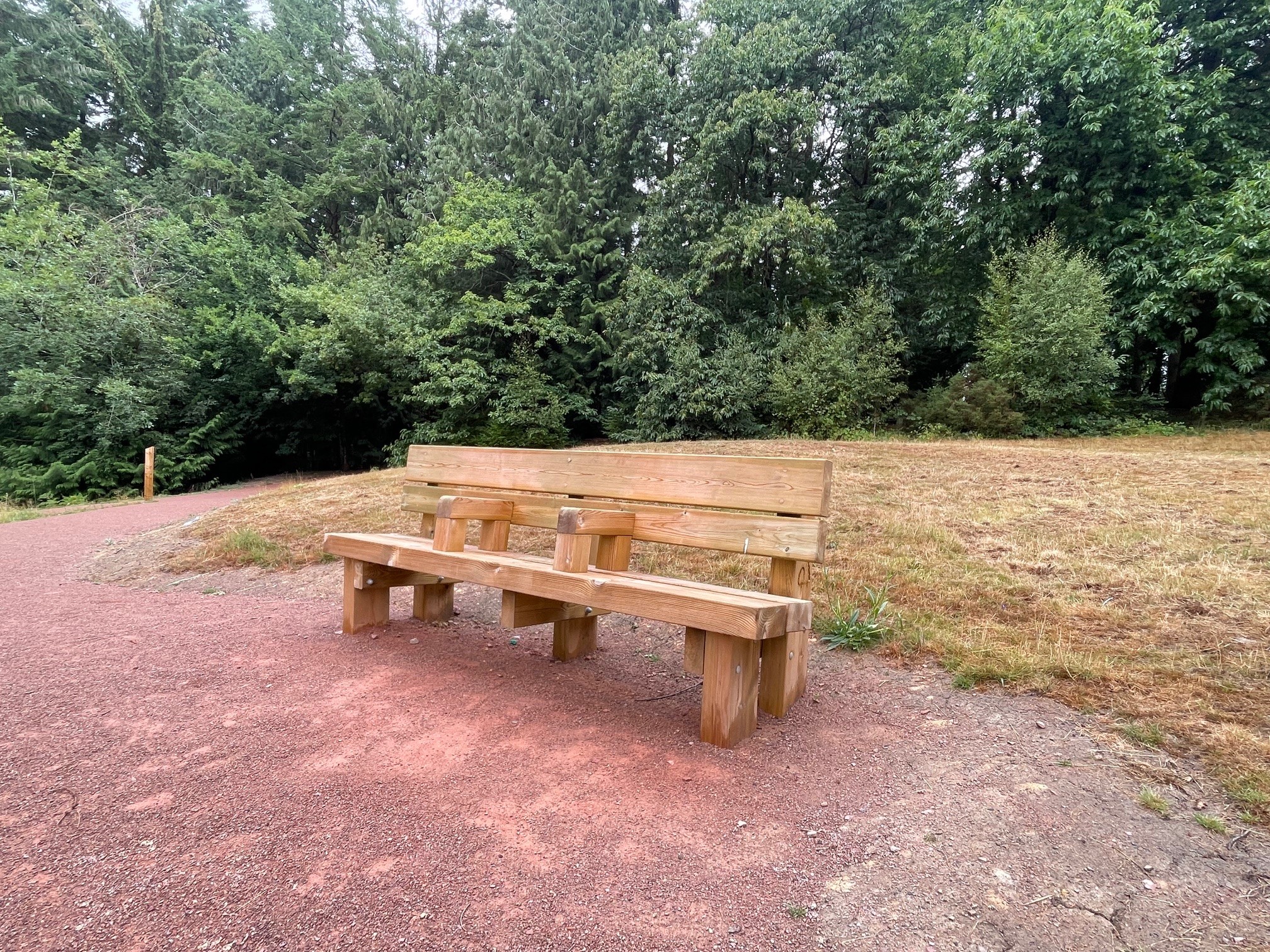
    Check out this awesome custom Seat we designed for Forestry England — it’s just waiting for a splash of colour and a whole lot of imagination! 🎉

    We want to see your kids’ creativity come to life:
    🌈 Colour it in
    🧠 Add some personality
    👯‍♂️ And most importantly — tell us who they’d love to sit next to on this seat!

    My son picked Sonic the Hedgehog (obviously), and he’s still perfecting his masterpiece. 🌀💙

    Post their colourful creations in the comments of our post on the LinkedIn page — we can’t wait to see what they come up with! 🖼️✨

    Download the Colouring Sheet

    Zoe Anstie

    August 1, 2025
    News, Uncategorized
  • Breaking the Cycle: How Smarter Parking Solutions Can Unlock Development Potential 

    Breaking the Cycle: How Smarter Parking Solutions Can Unlock Development Potential 

    Unlocking Space, Value, and Usability Through Better Cycle Parking Solutions 

    As cycle usage continues to rise here in the UK and Europe, there’s no doubt that secure, accessible bicycle parking is an essential component of any well-designed public or private urban space.  

    But, as conversations around planning policies and urban development evolve, a critical question is emerging: are current UK cycle parking standards actually helping us move forward or are they unintentionally holding us back and leading to the underuse of available  facilities? 

    The Cost of Compliance Without Context 

    Cycle parking requirements are built into most UK planning frameworks, and rightly so; encouraging the active travel afforded by cycling is vital for long-term health, sustainability, and congestion relief.  

    But when those requirements are applied rigidly, and without consideration for local behaviour or infrastructure, they can become counterproductive. 

    In our work across residential, commercial and educational developments, we have encountered situations where the number of cycle parking spaces required by policy significantly outweighs the anticipated demand.  

    Unfortunately, this can lead to underused facilities, inflated build costs, and pressure on already limited site footprints. In some cases, developers are forced to allocate valuable space to meet numerical standards rather than practical needs. 

    Demand Over Dictation 

    European cities like Amsterdam and Copenhagen are often held up as cycling success stories, known for the popularised and extensive use of bicycles. But their approach to cycle parking solutions is very different: provision is scaled in response to demand, rather than imposed through blanket standards.  

    The result? High utilisation rates and infrastructure that evolves with changing behaviours. 

    In the UK however, particularly outside London, cycling uptake remains low in many areas due to car dependency resulting from commute distance, lack of cycling routes, the weather factor and provisions at work such as showers.. Imposing large-scale cycle parking in such contexts – without supporting infrastructure or cultural shift – can feel like putting the cart before the horse. 

    A Smarter, More Flexible Future 

    The City Property Association recently highlighted that inflexible cycle parking policies could be adding unnecessary cost and complexity to urban development; a sentiment we see echoed all too often on the ground.  

    But there is a better way. 

    By moving toward a ‘European approach’ – context-led, demand-driven solutions – local authorities and developers can still support cycling while improving project viability. That means exploring phased installations, modular products, and adaptable layouts that can respond to real-world use rather than predicted numbers alone. 

    Langley Design’s Role in Shaping Better Cycle Parking Solutions 

    At Langley Design, we design & manufacture a wide range of high-quality, durable and modular cycle parking solutions – from timber shelters that blend seamlessly into landscaped schemes, to compact racks and secure stores designed for high-traffic environments. Our in-house design and consultation team works closely with clients to tailor every solution to the needs of the project and its users. 

    By combining practical expertise with design flexibility, we help unlock more efficient, more liveable, and more sustainable developments. 

    Contact the Langley Design team today: we’re here to help you plan smarter, build better, and deliver spaces that work. 

    blue bee

    July 23, 2025
    Uncategorized
  • Public Street Furniture Design; The Psychology behind Shaping Public Spaces to Enhance Well-being

    Public Street Furniture Design; The Psychology behind Shaping Public Spaces to Enhance Well-being

    Shaping Public Spaces to Enhance Well-being 

    Public street furniture design involves so much more than simply creating aesthetically-pleasing street furniture such as picnic tables or steel planters. It also involves giving much consideration and thought to the psychology of these spaces and how elegant, practical and beautiful public street furniture can influence spaces. 

    From benches to bike racks, planters to shelters, these often-unnoticed features play a profound psychological role in shaping how people interact with their environment, and with each other. 

    Promoting Social Interaction & Fostering Community 

    Well-designed and carefully-considered street furniture works to both encourage and enhance social interaction, participation and even the quality of life of people living within communities. In fact, public street furniture design can help to bring communities together. 

    When public spaces make it easy and attractive to pause, they promote feelings of safety, inclusivity, and belonging. People begin to feel ownership of the space, and of the wider community. 

    Public street furniture promotes social interaction and fosters a sense of community by: 

    Encouraging social interaction: well-placed wooden benches, picnic tables, and outdoor seating can provide opportunities for people to meet, socialise, and interact with one another.  

    Fostering a sense of belonging: street furniture can also create a sense of shared space, inviting people from all over to gather and participate in community activities and events, comfortably.  

    Providing spaces for informal gatherings: design elements like seating, picnic tables, or even strategically placed planters and steel planters can work to encourage informal social interaction. 

    The Role of Public Street Furniture Design in Educational Wellbeing 

    Social interaction, a strong sense of community, and individual well-being are especially vital in educational environments—whether in schools, colleges, universities, or community centres. 

    Outdoor seating and adaptable street furniture in schools and colleges has been shown to not only increase, social interaction, but also improves concentration and the emotional well-being of students and teachers. Giving students a place to gather, talk, or reflect outdoors helps to reduce stress, fosters peer connections, and can also improve behaviour inside the classroom. 

    This is especially vital in wellbeing-focused community schools, where mental health and inclusivity are central to the ethos. Providing accessible, unintimidating furniture that encourages group interactions. Such as; curved benches, timber seating clusters, or sheltered waiting areas. This signals to students that they are valued and supported.  

    Christ Church Academy, Birmingham – Langley Design 

    A great example of this philosophy in action is at Christ Church Academy in Birmingham  

    At this newly built school, seating played a key role in shaping a welcoming and inclusive school environment. As part of the £19m project, Langley Design was commissioned by contractor Willmott Dixon to design and install bespoke external furniture that matched the school’s modern yet durable aesthetic. 

    To foster a sense of community and accessibility, curved timber benches and matching picnic tables were strategically placed to form inviting social spaces for students of all backgrounds. These seating areas encourage interaction, collaboration, and a sense of belonging. The use of natural timber combined with powder-coated steel not only complements the school’s architectural design but also ensures functionality and inclusivity across shared outdoor areas. 

    Design That Shapes Behaviours 

    Public furniture also plays a crucial role in shaping behaviours in broader civic spaces.  

    By thoughtfully placing furniture to invite interaction – such as circular benches that promote face-to-face conversation, or perches that allow for quick rest without committing to a full stop – designers can influence how people use space. 

    This, in turn, can help to reduce antisocial behaviour as environments that feel cared for and considered tend to be respected by all members of a community.  

    When furniture is vandal-proof yet attractive, inclusive without feeling clinical, and clearly maintained, it commands respect and care. 

    Beautiful Street Furniture By Langley Design 

    Here at Langley Design, we believe that high-quality public street furniture should enhance both form and function.  

    Our collaborative approach means we work closely with clients to understand the unique needs of each project. We balance design, vision, performance requirements, sustainability goals, and budget considerations to create something special. With a team full of creative thinkers and technical expertise, we’re here to help bring your public space to life with thoughtfully designed, cost-effective solutions to your public spaces.  

    Explore our full range of street furniture or contact us today. 

    blue bee

    July 1, 2025
    Uncategorized
  • Langley Design gains ISO 14001 certification

    Langley Design gains ISO 14001 certification

    A Major Step Towards a Greener Future

    We’re delighted to share a significant milestone in our sustainability journey — Langley Design is now officially ISO 14001 certified.

    ISO 14001 is the internationally recognized standard for environmental management systems. Earning this certification is a clear reflection of our team’s ongoing dedication to reducing waste, improving environmental performance, and embedding sustainable practices into everything we do.

    Achieving this accreditation wasn’t an overnight process. It’s the result of months of hard work, rigorous audits, and the continual refinement of our systems, policies, and procedures to meet the high standards required by ISO 14001.

    This latest achievement joins our existing ISO 9001 (quality management) and ISO 45001 (occupational health and safety) certifications, giving our customers even greater confidence in the quality, safety, and sustainability of our products and services.

    For us, it’s more than just a certificate — it’s a proud moment that highlights our commitment to continuous improvement and responsible business practices. We’re excited to keep building on this momentum as we continue to grow in a way that’s better for our people, our partners, and our planet.

    ISO14001 logo with Langley Certificate number

    View all of Langley Design’s accreditations.

    Zoe Anstie

    May 12, 2025
    News, Uncategorized
  • Langley Design achieves ISO 45001 recertification

    Langley Design achieves ISO 45001 recertification

    We are proud to announce that Langley Design has successfully retained accreditation for ISO 45001 Occupational Health and Safety Management System. As part of the 3 year recertification audit, over the last few months we have undergone extensive assessment cycles of our processes, procedures, documentation, policies and activities as well as an audit at a site where we were installing street furniture.

    The audit highlighted a number of our strengths but we were particularly thrilled to see that ‘effective awareness of site hazards’ were called out. Having also recently received Alcumus SafeContractor Accreditation, we are very pleased to see that our commitment to operating safe practices on site are recognised and acknowledged. We would like to thank all of our employees and Lansford Dinnall for the excellent result and professionalism demonstrated throughout the entire process.

    ISO 45001 is a globally recognised operating standard which supports an organisation’s goals of embedding a strong health and safety culture by encouraging the continuous improvement and evolution of operations and processes. Productivity levels can improve and employees, customers and stakeholders can be reassured that risks and hazards are managed accordingly and know what to expect when dealing with an accredited organisation.

    For a number of years prior to being accredited for ISO 45001, Langley Design were systematically managing Health and Safety processes and procedures to a high standard. “Having a strong health and safety culture meant that we scored well on the initial gap analysis and audit for ISO 45001 back in 2021 and continue to demonstrate the same commitment to safe practices today”, says Gill Halliday, Operations & Compliance Manager.

    Liam Shaw, Managing Director at Langley Design, congratulated the team by saying “many months of hard work have gone into supporting the assessment and audit process and continuous development of our ISO 45001 standard. A special thanks to Gill Halliday, who leads the program, and to Arran and Simon who demonstrated what Langley Design does best on site.”

    Another key milestone for Langley Design.

    View all of Langley Design’s accreditations.

    Harry Noel

    December 17, 2024
    News, Uncategorized
  • Langley Design is now listed on NBS Source

    Langley Design is now listed on NBS Source

    We are excited to announce that we’ve recently listed a fantastic range of our bespoke street furniture products on NBS Source to make it easier for Specifiers to find, understand, compare, select and specify our products in projects.

    Included in the NBS library are a range of Langley Design’s leading products which have been transforming outdoor spaces for years. Products included are those such as the popular Langley Bench, Sheldon Sedum Roof Cycle Shelter, Pewsham Precast Concrete Bench, Malford Canopy, Sheldon Timber Slatted Picnic Tables, Malford Planter, Sheldon Bin Store and many more.

    NBS partner logo

    Langley Design are a leading street furniture manufacturer who have worked within the built environment for nearly 30 years designing, creating and installing street furniture in many high profile projects across Education, Housing, Public Realm, Office and Industrial, Healthcare and other sectors.

    We pride ourselves on the quality of our products and the outstanding service we deliver and are known for our adaptable, affordable external furniture which can all be tailored to the Specifier’s exact requirements thereby meeting the design, performance, environmental and cost objectives.

    Being listed on NBS Source allows Specifiers access to best-in-class product and specification data when working on construction projects. In addition, NBS Source has given Langley Design the ability to build and maintain relationships with specifiers throughout the whole construction journey, resulting in a much smoother and more collaborative process. A proposition that can help save valuable time and resources for time-strapped specifiers.

    Specifying Success

    Alex Evans, Sales and Marketing Director adds “We’re a customer-focused business and we’d become increasingly aware of the frustrations faced by specifiers in trying to make informed decisions. Being listed on NBS Source, just makes it so much easier for them. Detailed information about products can be easily found, compared and understood in a way that makes sense to the user. In addition, the fact that our products can be listed in NBS Chorus is also an added bonus. That way we know we’re in the heart of the project specification process, where decisions are being made, and offers us yet another route to market.”

    Commenting on Langley Design becoming a NBS manufacturer partner, Lee Jones, Head of Manufacturer Solutions, NBS says, “Specifiers want to make better and more informed decisions, and by having Langley Design listed on Source, this will make their lives easier. By giving specifiers access to the data they need, they can make accurate, direct comparisons, allowing them to be more decisive when choosing products and reducing the risk of mistakes. He adds, “The full power of digital can only be unlocked through collaboration, and manufacturers such as Langley Design can now be involved. This is an important step in having a more structured approach to record-keeping and information management and promotes the ‘Golden Thread of Information’, which all manufacturers should be striving for.”

    More information on Langley Design’s NBS Source listings can be found in our Support Section.

    Follow us on LinkedIn to stay up to date on our activities.

    Harry Noel

    November 11, 2024
    Uncategorized
  • Summer Project Round-Up

    Summer Project Round-Up

    As summer draws to a close and schools reopen their doors for the new academic term, it is an opportune moment to reflect on the remarkable efforts and innovative projects the Langley Design team undertook during the warmer months. 

    Here’s a quick overview of what’s been keeping us busy recently as well as a look back at some other Projects that we’ve been proud to work on in the Education Sector. 


    St Christopher’s Secondary School

    Our team has been dedicated to enhancing learning spaces and expanding learning environments across the country.

    At St Christopher’s Secondary School in Lincoln, our project involved the installation of a modern canopy, designed to provide students with a sheltered outdoor space, rain or shine. Langley Design’s canopies and walkways are versatile structures that can enhance the outdoor areas and architectural aesthetics, as well as providing additional learning spaces.

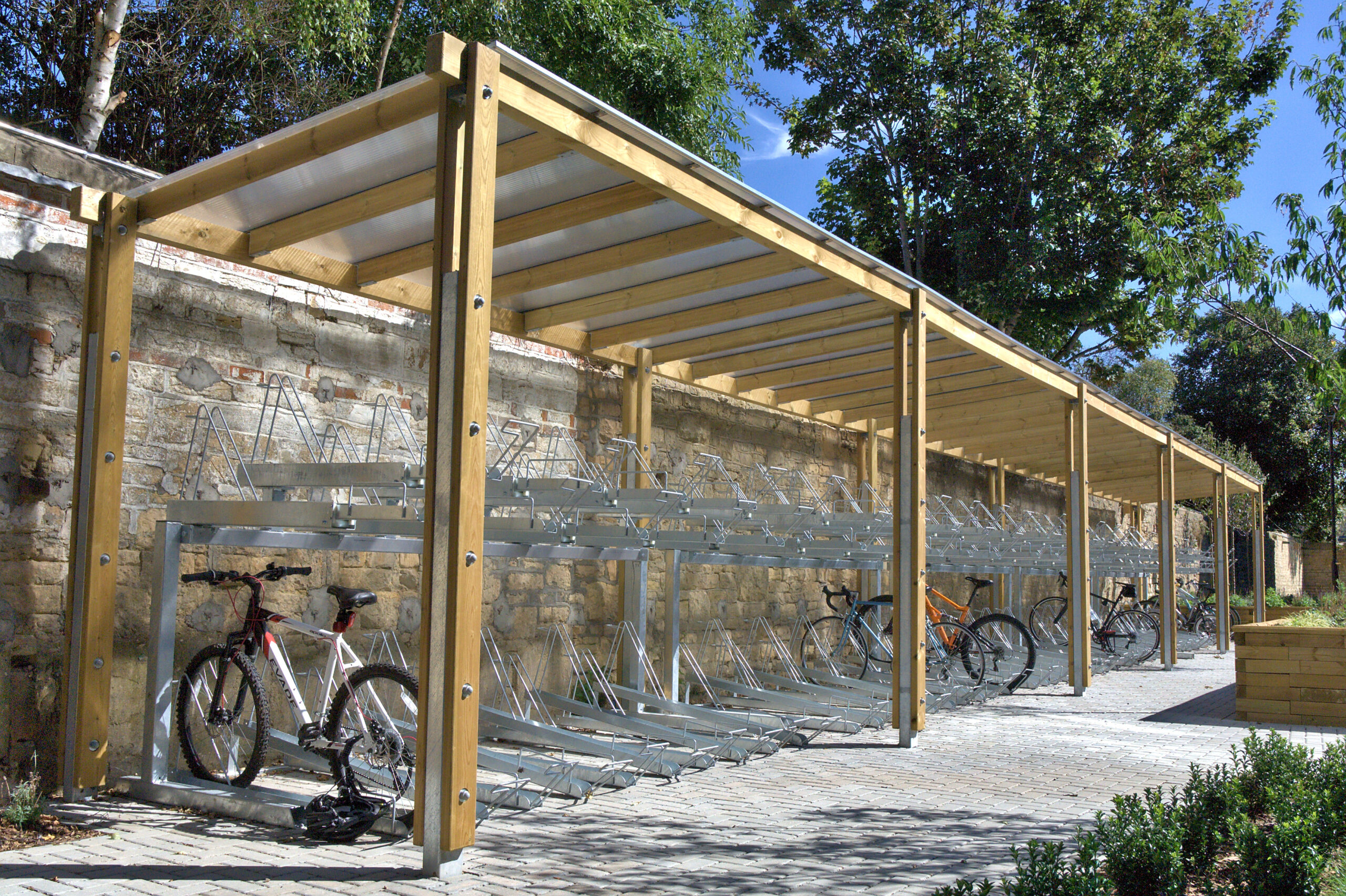
    Additionally, we constructed new cycle parking & shelters, encouraging more students to opt for eco-friendly transportation while ensuring their bicycles are safely stored and protected from the elements. 


    Maritime Academy

    At Maritime Academy in Rochester, which serves over 1,100 students, we undertook a comprehensive project that involved supplying and installing a diverse array of street furniture. This included functional items like benches and picnic tables and essential amenities such as cycle parking & shelters, canopies and bin stores. Each piece was carefully designed to create an inviting and practical outdoor area.

    The collaboration and hard work put into this project resulted in a vibrant environment that we are incredibly proud of, and we’re thrilled to see how it will benefit the students and staff alike.


    The Dragon School

    While we offer an impressive range of products on our website, our true strength lies in our ability to design and manufacture bespoke solutions tailored to specific needs. This capability was beautifully demonstrated in our recent project for the new Music and Performing Arts building at The Dragon School in Oxford. 

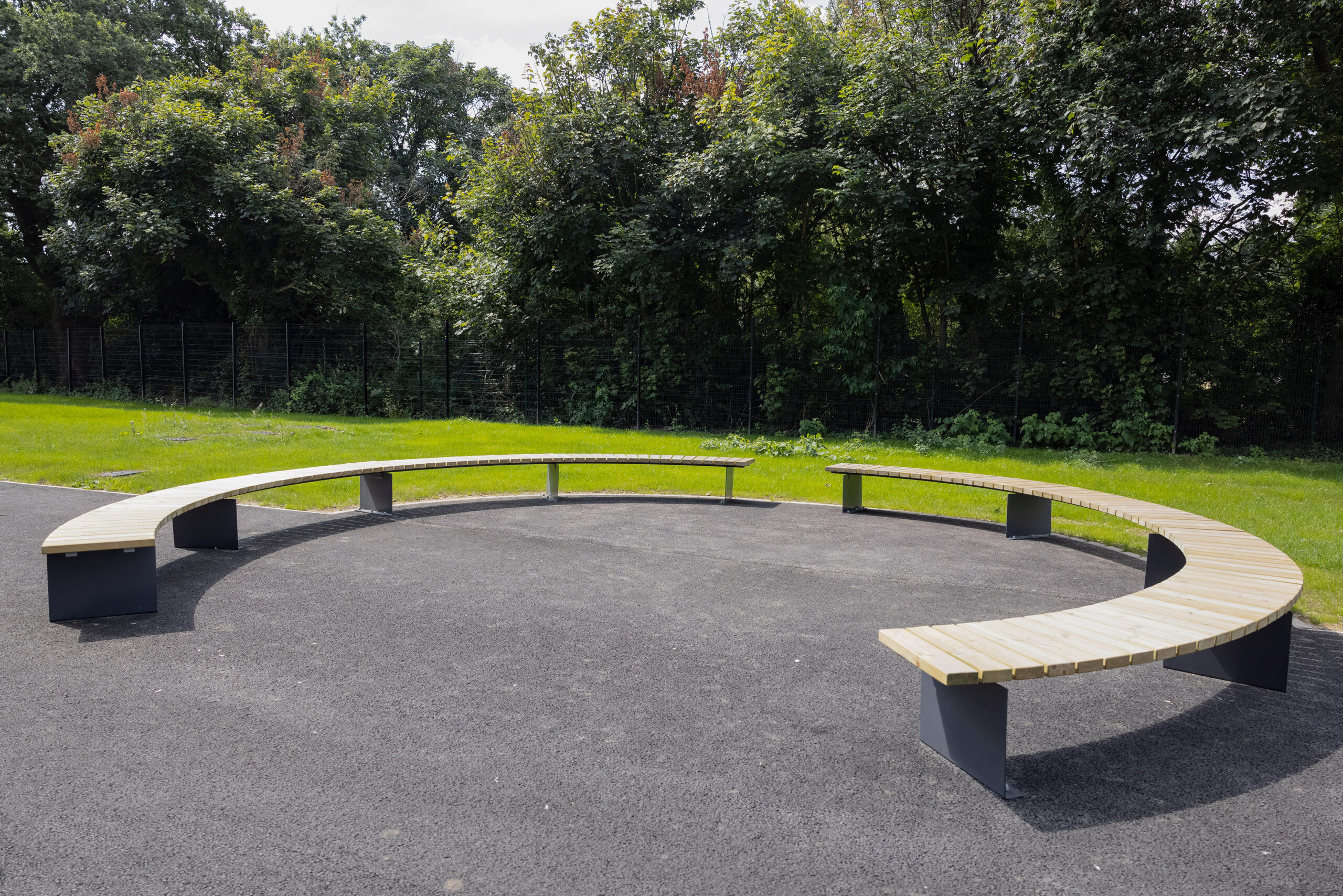
    We crafted large, curved benches that now not only serve a functional purpose but also add an aesthetic appeal to the external areas. These benches were thoughtfully designed to complement the school’s architectural style. Creating inviting spaces where students can gather and collaborate. This project exemplifies our commitment to enhancing educational environments through tailor-made design. 


    Star Radcliffe Academy

    We were thrilled to play a pivotal role in the establishment of Star Radcliffe Academy based in Manchester, which opened its doors for the first time in September 2024, welcoming 150 enthusiastic Year 7 students.

    Our team implemented state-of-the-art cycle shelter and parking facilities, designed to promote sustainable transport options and encourage an active lifestyle among the school community. These facilities not only provide secure storage for bicycles but also foster a culture of health and environmental responsibility.

    By integrating these amenities into the Academy’s infrastructure, we aimed to enhance the daily experience for pupils and teachers alike. As the Academy grows, we are excited to see how these facilities will support a vibrant school community. 


    These are just a few highlights among a multitude of projects completed throughout the summer, showcasing our commitment to enhancing educational spaces. 

    From innovative outdoor learning areas at Oakley Grove School in Leamington Spa and Orsett Heath Academy in Grays to practical seating solutions and flexible cycle parking facilities at IQRA Primary School in London, our efforts aim to meet the unique needs of each school and its students. 

    We take great pride in collaborating with our clients to ensure every detail aligns with their vision, contributing to an enriching educational experience. A huge thank you to our wonderful clients and our exceptional team whose hard work and creativity have brought these visions to life. As the new academic year begins, we wish all students a happy, productive and successful year! 

    Make sure you check out our previous completed projects by taking a look at some of our Case Studies below:

    • Denmead School, Middlesex
    • Great Western Academy, Swindon
    • National College for High-Speed Rail, Doncaster
    • Cirencester College, Cotswolds
    • Aureus Secondary School, Didcot
    • Global Institute for Safe Autonomy, University of York
    • Histon and Impington Junior School, Cambridge
    View all projects

    September 26, 2024
    News, Uncategorized
1 2
Next Page
Langley Design

Unit L (Gate 1)

Chelworth Ind Est

Cricklade

SN6 6HE

///inversely.mime.goodness

Telephone

01793 759 461

Email

info@langleydesign.co.uk

Keep connected

About

About Us

Why Choose Us

Products

Benches & Seats

Bin Stores

Bollards & Door Barriers

Canopies & Shelters

Cycle Parking

Cycle Shelters

Pergolas

Precast Concrete

Picnic Tables

Recycling & Litter Bins

Steel Planters

Timber Planters

Projects

Education

Healthcare

Housing

Offices & Industrial Parks

Public Realm

Universities

Support

Technical

Delivery

Installation

Materials

Product Codes

Environmental

©2024 Langley Marketing Limited (t/a Langley Design)

Website Terms of Use

Privacy Policy and Cookies

This site is protected by reCAPTCHA and the Google Privacy Policy and Terms of Service apply.