Skip to content
Langley Design
  • About Us
  • Products
  • Projects

01793 759 461

  • About Us
    • Team
    • Why Choose Us
  • Products
    • Benches & Seats
    • Bin Stores
    • Bollards & Door Barriers
    • Canopies & Shelters
    • Cycle Parking
    • Cycle Shelters
    • Pergolas
    • Precast Concrete
    • Picnic Tables
    • Recycling & Litter Bins
    • Steel Planters
    • Timber Planters
  • Projects
    • Education
    • Healthcare
    • Housing
    • Offices & Industrial Parks
    • Public Realm
    • Universities
  • Support
    • Technical
    • Delivery
    • Installation
    • Materials
    • Product Codes
    • NBS Source
  • Environmental
  • Blog
  • Contact
  • Street Furniture Trends in the UK (2026): How to Improve Public Space Engagement

    Street Furniture Trends in the UK (2026): How to Improve Public Space Engagement

    Balancing Public Safety with Welcoming Urban Aesthetics 

    Public spaces are no longer judged purely on functionality. Today, local councils, developers, and landscape architects are under increasing pressure to create environments that promote wellbeing, inclusivity, and community interaction. 

    As we move through 2026, street furniture trends in the UK are shifting away from standardised products towards design-led, community-focused outdoor furniture solutions. 

    From sustainable materials to multi-functional infrastructure, the most successful public spaces are those that combine urban aesthetics, safety, and social engagement. 

    In this guide, we explore the key urban furniture trends shaping public spaces, and how to apply them to improve long-term engagement. 

    1. Multi-Functional Street Furniture & Energy-Generating Designs 

    Maximising space footprint is critical, especially within complex urban landscapes or educational developments where multi-use functionality is paramount.  

    Modern urban environments demand more from every square metre. As a result, multi-functional street furniture is becoming a core requirement across public realm projects. 

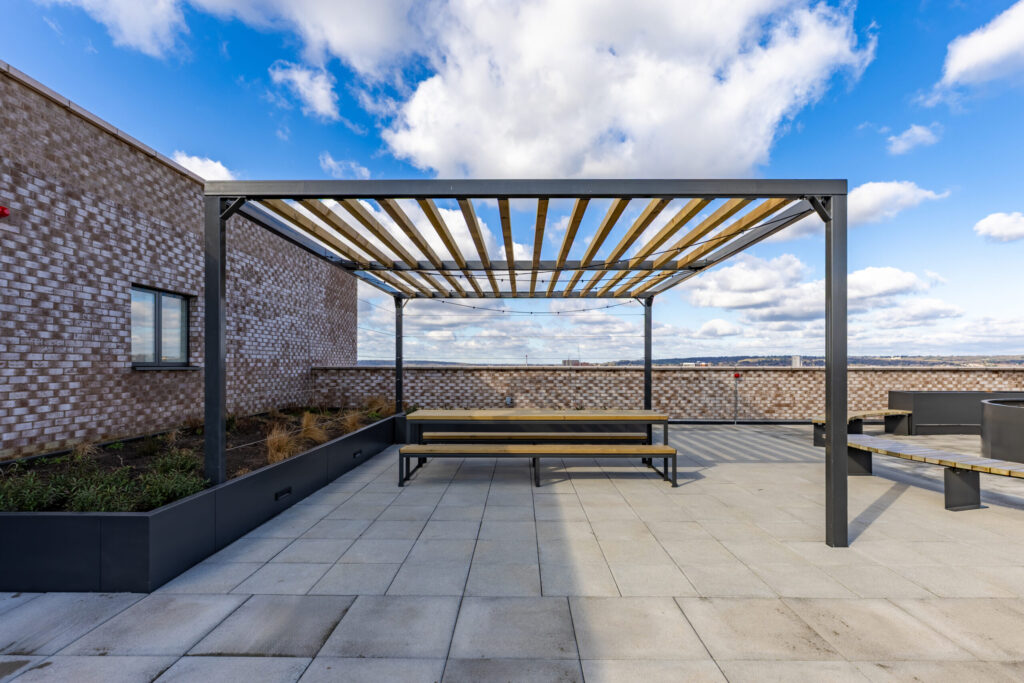
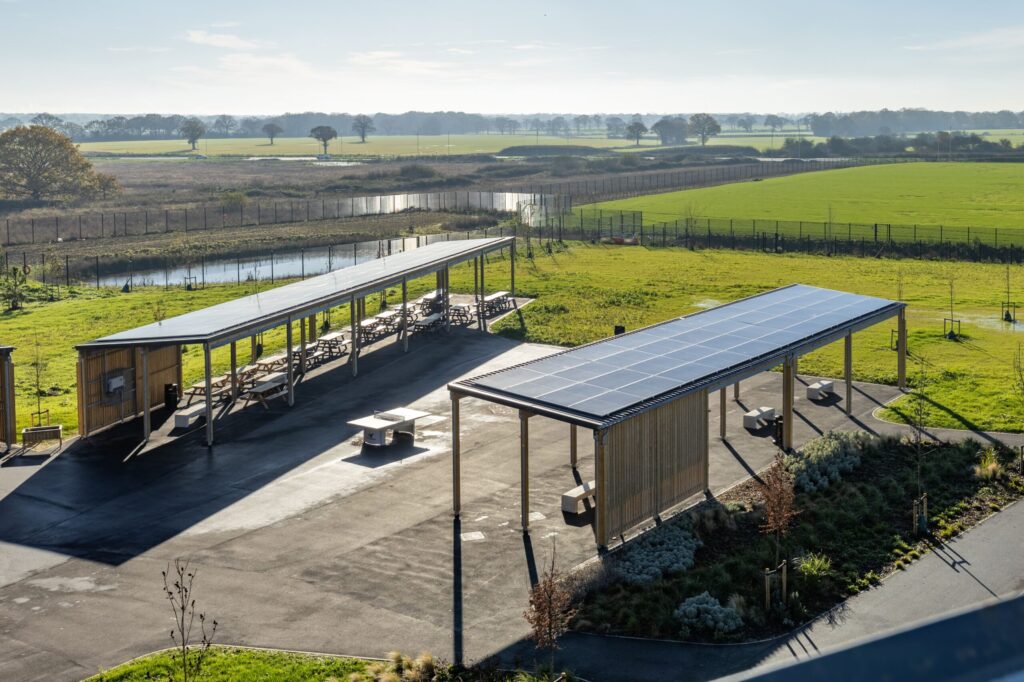
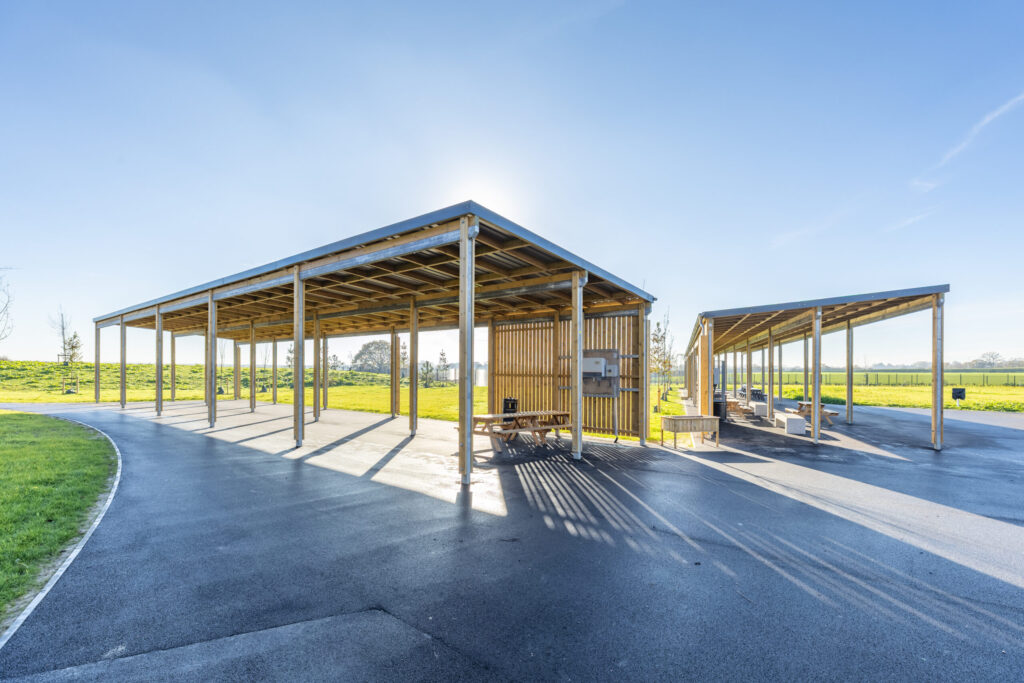
    A major trend is the integration of environmental technology with traditional shelters; for instance, PV-ready canopies serve as sheltered outdoor dining or learning spaces while actively generating renewable energy.  

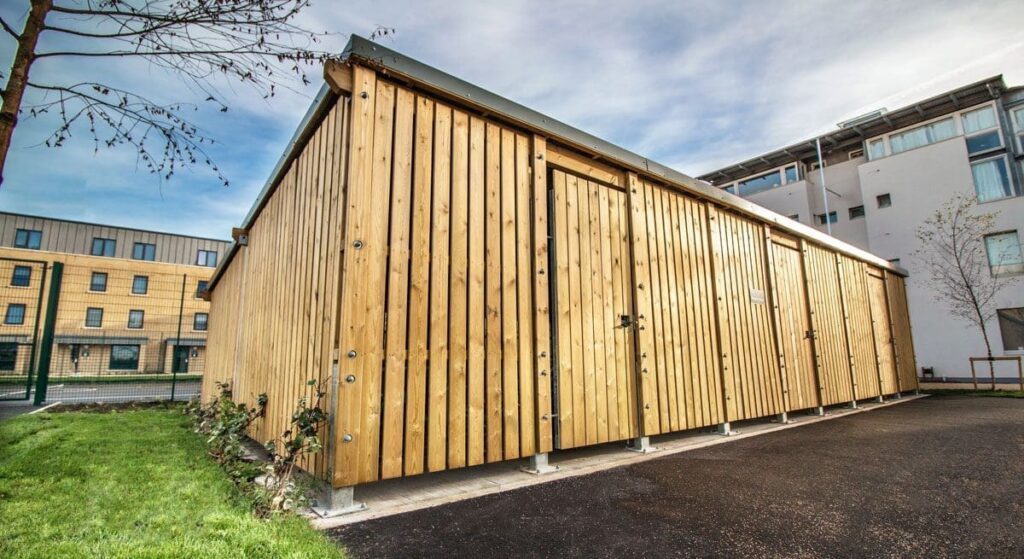
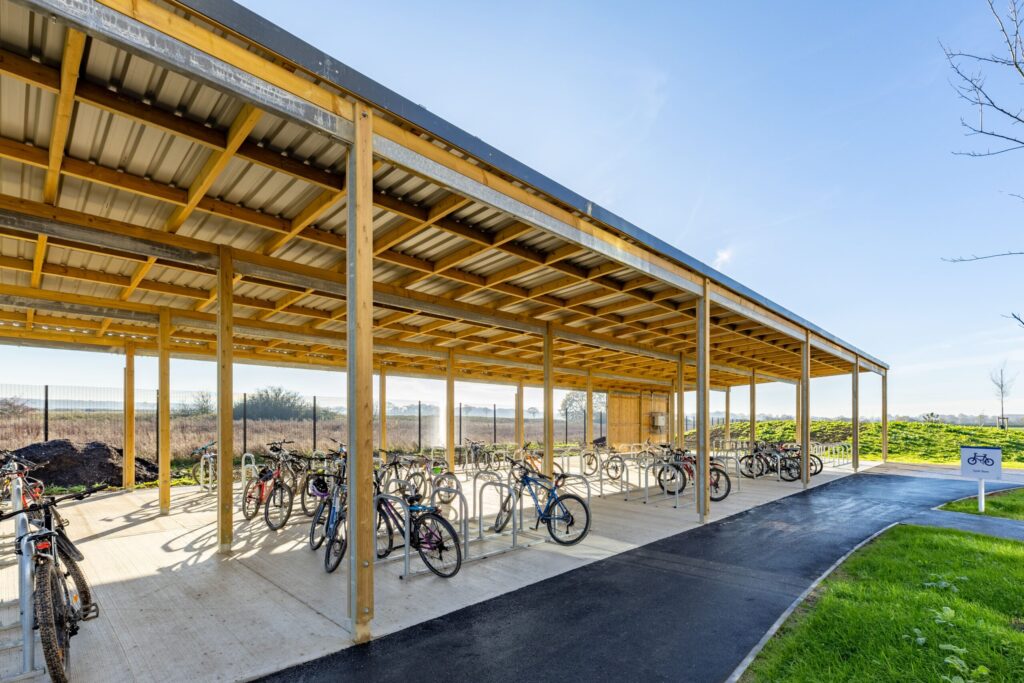
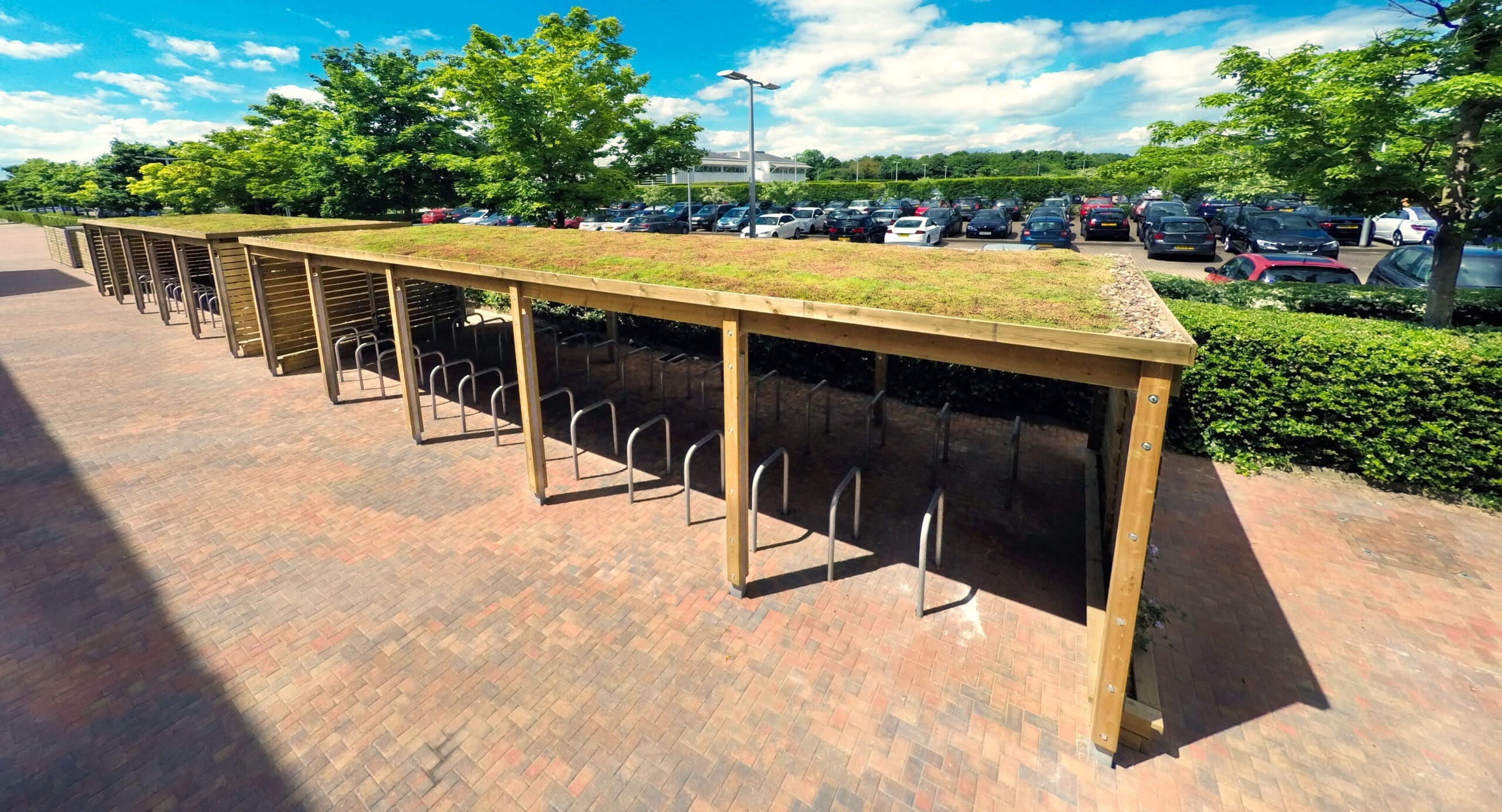
    Similarly, integrating secure cycle storage beneath green-roofed canopies addresses both active travel infrastructure requirements and sustainable design briefs in a single, high-impact installation. 

    These solutions allow developers to: 

    • Maximise spatial efficiency 
    • Meet sustainability targets 
    • Deliver added value within a single installation 

    Example: A university campus can install a solar canopy with integrated seating and cycle parking, supporting both sustainability goals and student wellbeing. 
     

    2. Sustainable Street Furniture Materials & Biodiverse Design 

    Sustainability is no longer a footnote in a design brief; it is a core structural requirement. When specifying durable street furniture in the UK, landscape architects are looking closely at the full lifecycle impact of their material choices. 

    Key trends driving sustainable public engagement include: 

    Biodiverse Green Roofs: Incorporating low-maintenance Sedum or Wildflower roofs onto bin stores and cycle shelters helps manage rainfall, combat the urban heat island effect, and attract local pollinators directly into built environments. 

    Circular Materials: High-performance alternatives like recycled plastic – engineered from UK-collected agricultural silage wrap – offer zero rot, exceptional chemical resistance, and a 50-to-100+ year service life with virtually no maintenance. 

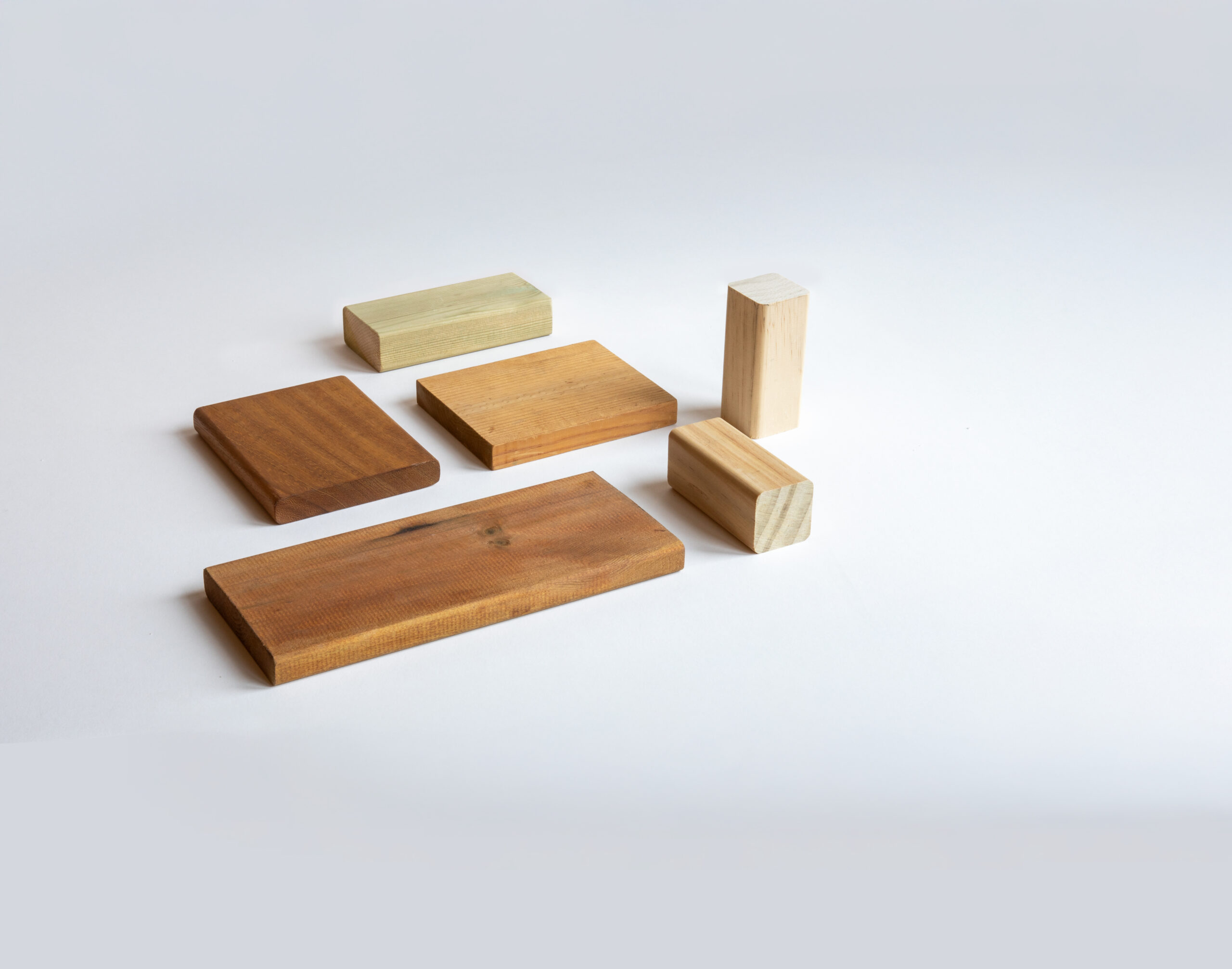
    Sustainably Sourced Timber: Utilising fast-growing, highly stable alternatives such as Class 4 Treated Redwood, Thermowood, or Accoya ensures structural longevity (ranging from 30 to 100 years of service life) while keeping carbon footprints to a minimum. 

    3. Inclusive Outdoor Seating Design for Social Engagement 

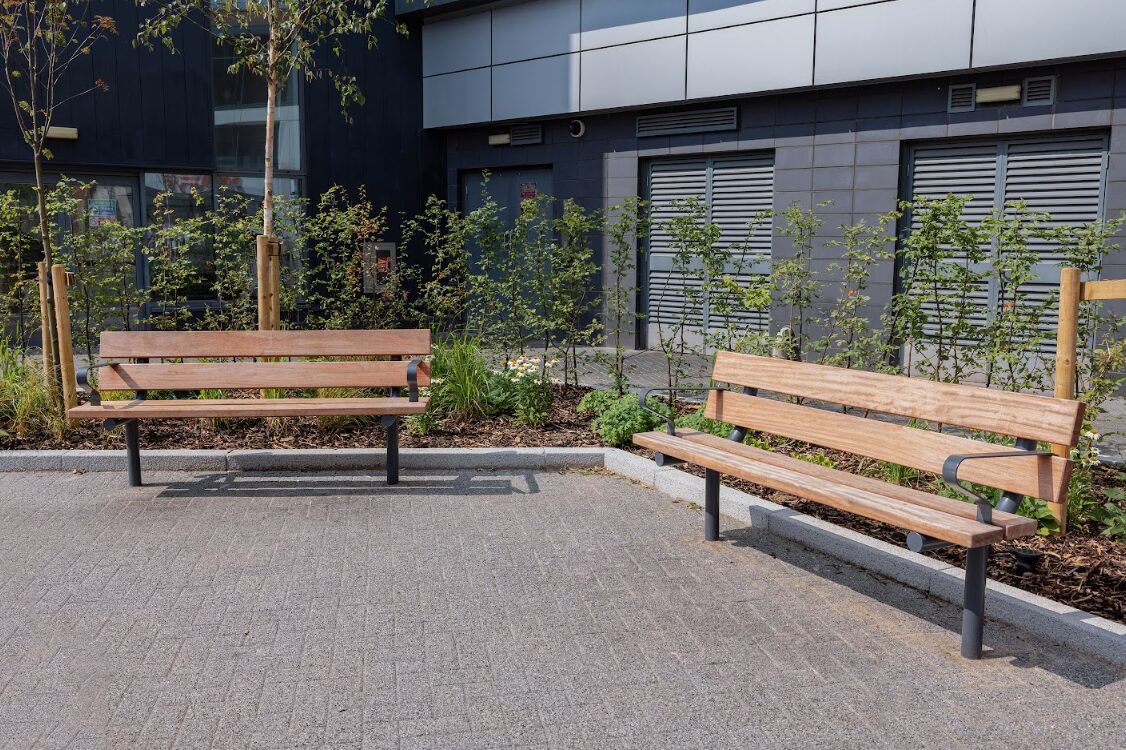
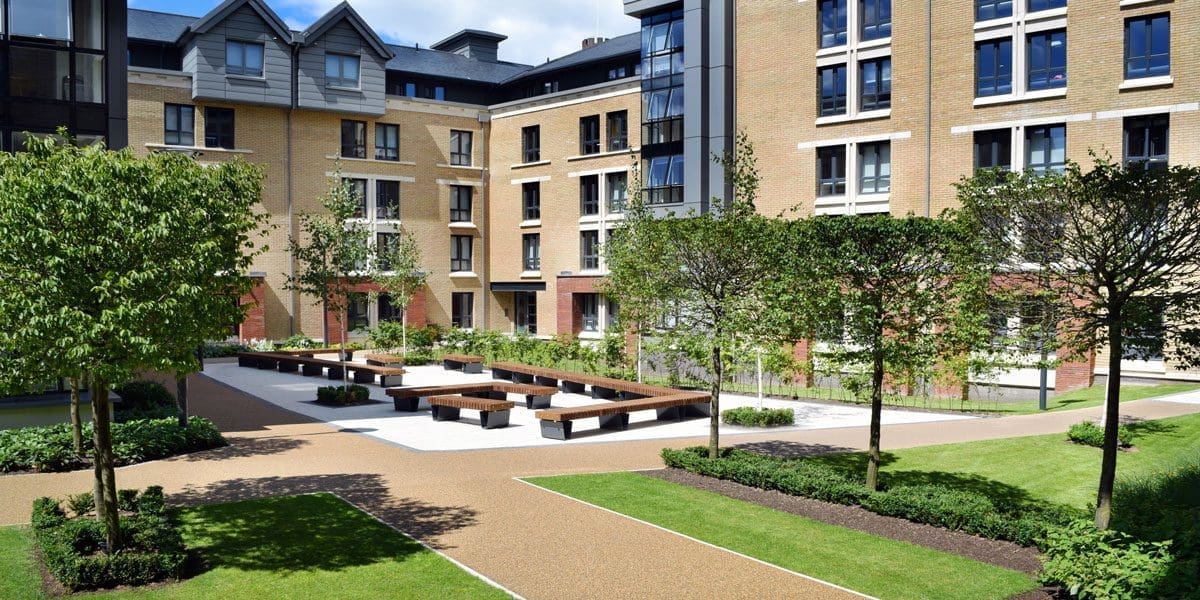
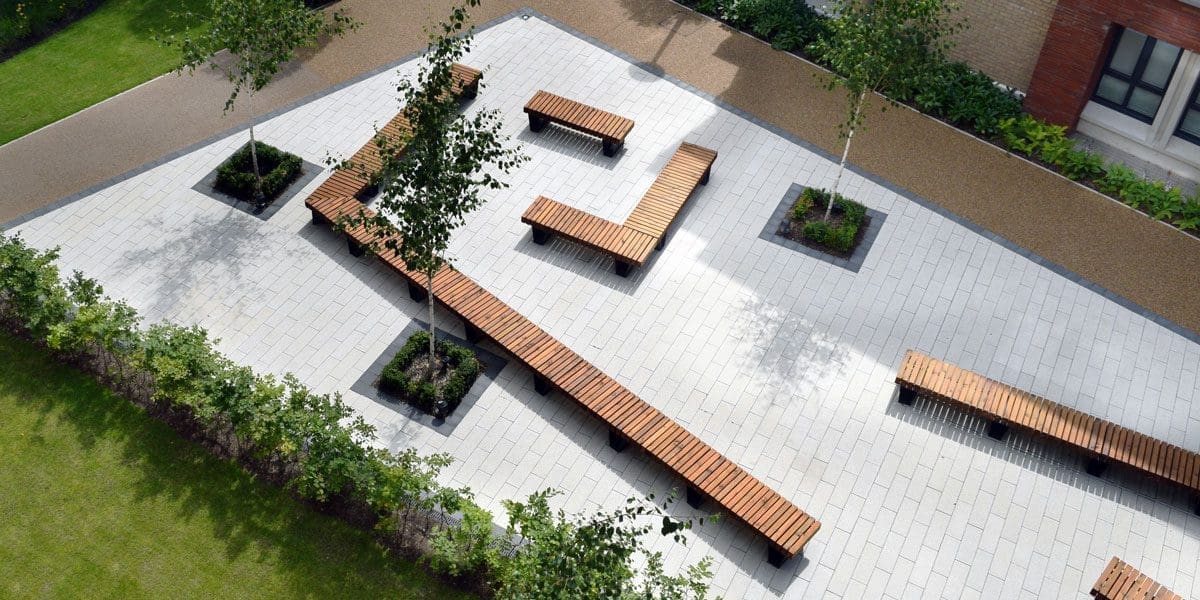
    To truly drive public space engagement, outdoor seating solutions must move away from isolated, linear benches that discourage conversation; social spaces must be designed with purpose. 

    Key trends in outdoor seating design: 

    • Curved and modular layouts 
    • Semi-enclosed seating areas 
    • Integrated planters and landscaping 

     
    These layouts: 
     

    • Create natural gathering points 
    • Encourage longer dwell time 
    • Improve user experience 

     
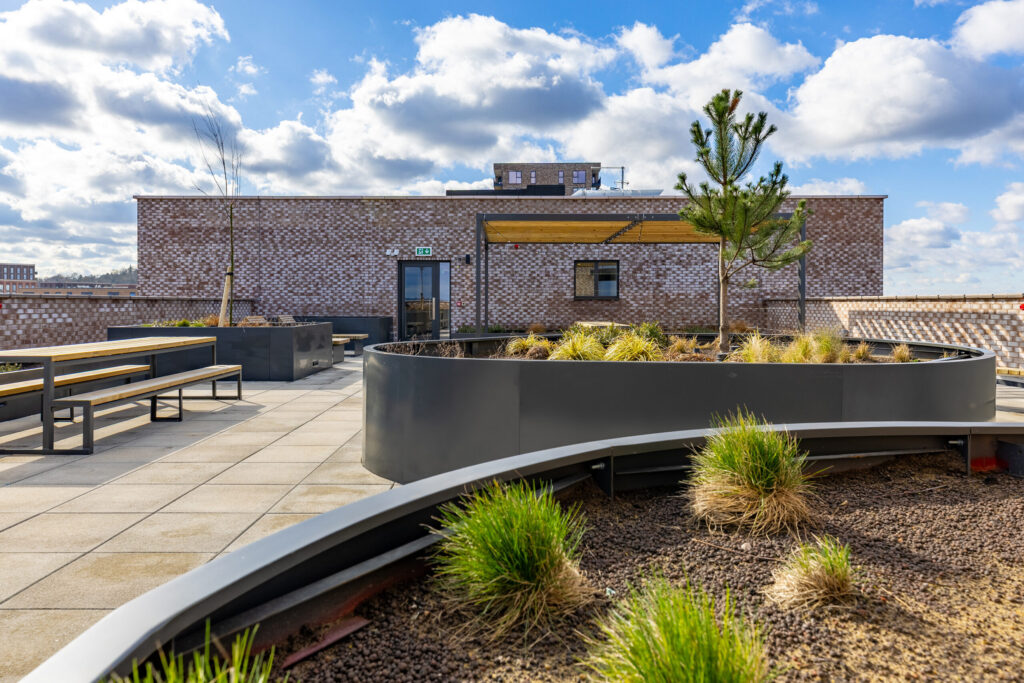
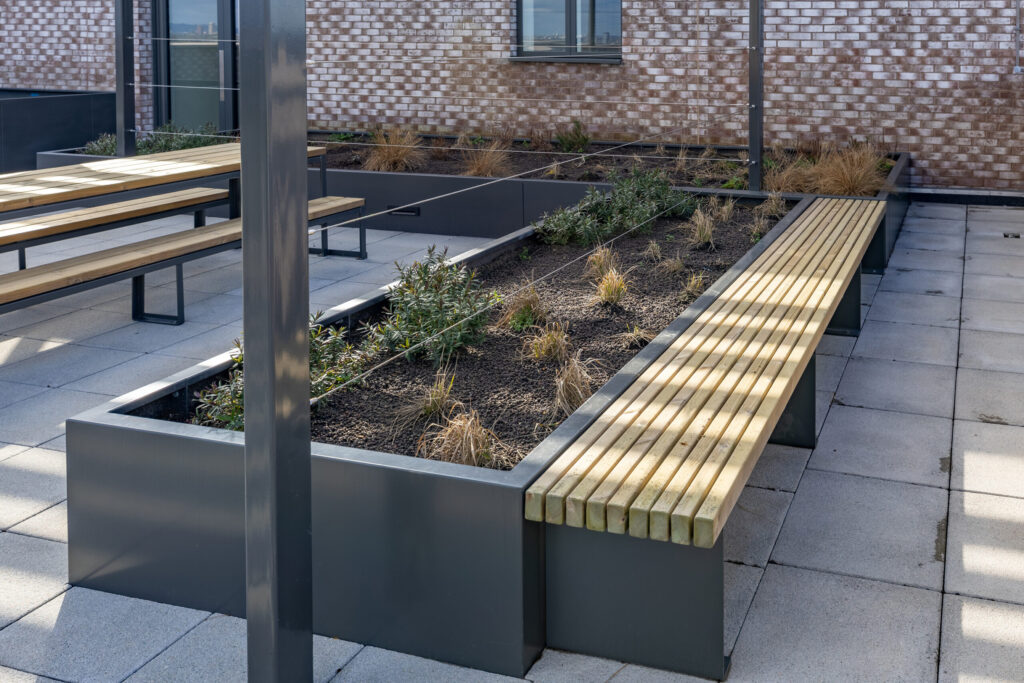
    By framing central points or integrating nature through elegant steel and timber planters, these arrangements transform empty plazas into relaxing, restorative pockets where residents naturally connect with their surroundings.  

    Furthermore, inclusive seating means designing for all ages and physical abilities – integrating varied heights, clear armrests, and seamlessly incorporating wheelchair spaces to ensure true community access. 

    4. The Rise of Bespoke & Design-Led Solutions 

    No two public realm projects share the exact same architectural vision, historical context, or spatial constraints. Because of this, standard catalog dimensions often fall short of a landscape architect’s design intent. 

    The industry is seeing a major shift toward bespoke street furniture in the UK. Working with manufacturers who can adjust the shape, size, span, or material composition of a piece allows planners to deliver tailored solutions that fit their settings precisely.  

    Benefits of bespoke street furniture: 

    • Tailored dimensions and configurations 
    • Material finishes that match architectural context 
    • Integration with existing infrastructure 

    Example applications: 

    • Radial timber benches around mature trees 
    • Custom steel planters aligned with urban layouts 
    • Street furniture designed to complement heritage materials 

    Whether it is matching precast concrete plinths to historic brickwork or configuring custom-radius timber benching around an established urban tree, bespoke manufacturing brings complex concepts into built form flawlessly. 

    5. Designing Public Spaces for Long-Term Engagement 

    Effective street furniture is not just about initial impact, it’s about long-term usability and engagement. 

    To improve public space success, specifiers should consider: 

    Key design principles: 

    • Durability and low maintenance 
    • Flexibility for future use 
    • Alignment with sustainability goals 
    • Integration with active travel infrastructure 

    Public spaces that succeed tend to: 

    • Encourage repeat visits 
    • Support multiple user groups 
    • Provide comfort, safety, and visual appeal 

    How Street Furniture Improves Public Space Engagement 

    Well-designed street furniture plays a critical role in shaping how people interact with public environments. 

    Key benefits include: 

    • Increased dwell time in public areas 
    • Stronger sense of community 
    • Improved safety through active use 
    • Enhanced visual appeal and place identity 

    By combining functionality, sustainability, and design, street furniture becomes a powerful tool for placemaking. 

    FAQs: Street Furniture & Public Space Design 

    What is street furniture? 

    Street furniture refers to permanent outdoor installations such as benches, shelters, cycle storage, and bin enclosures that support the use of public spaces. 

    How does street furniture improve public engagement? 

    Street furniture encourages people to spend more time in public spaces by providing comfort, accessibility, and opportunities for social interaction. 

    What materials are best for outdoor street furniture? 

    Durable, low-maintenance materials such as treated timber, recycled plastic, and powder-coated steel are commonly used for long-term performance. 

    What is sustainable street furniture? 

    Sustainable street furniture is designed using environmentally responsible materials and processes, often incorporating biodiversity features and renewable energy elements. 

    Supporting Your Public Realm Projects 

    At Langley Design, we understand that balancing functionality, ecology, and long-term performance is a complex task.  

    Celebrating 30 years of partnering with the built environment, our employee-owned team provides full design-led support across the entire project lifecycle; from initial concept research to providing download-ready CAD blocks and Revit-compatible IFC files as an NBS Source Partner. 

    Explore our extensive range of modern street furniture designs, or view our latest case studies, by visiting Langley Design or reading through our latest blogs. 

    Zoe Anstie

    June 19, 2026
    News
  • From Concept to Installation: How We Deliver Bespoke Street Furniture Solutions

    From Concept to Installation: How We Deliver Bespoke Street Furniture Solutions

    Bespoke street furniture solutions play a crucial role in shaping functional, long-lasting outdoor environments. From university courtyards and healthcare settings to public realm and regeneration schemes, every space presents its own unique design, durability and usability challenges.  

    That’s why delivering successful bespoke street furniture solutions is rarely just about selecting products. It requires collaboration, technical expertise, and a clear understanding of how a space will be used over time.  

    At Langley Design, we work closely with landscape architects, contractors, councils and developers to deliver custom street furniture solutions the UK can rely on; supporting projects from early concept stages through to manufacture, installation and long-term use. 

    Designing Bespoke Street Furniture Solutions for Different Environments 

    Every project begins with understanding the wider vision for the space.  

    During the early stages, we work collaboratively with landscape architects and project teams to explore how outdoor environments will function, how people will move through them and what challenges need to be addressed. 

    For some schemes, the priority may be creating welcoming social spaces within education settings or healthcare environments, whereas in regeneration projects, the focus may be on encouraging community use, improving accessibility or creating a stronger sense of identity within the public realm. 

    These early conversations help shape bespoke street furniture solutions that are not only visually appropriate, but also practical, durable and responsive to the needs of the site. 

    How Bespoke Street Furniture Solutions Are Designed to Fit Each Space 

    Outdoor spaces rarely follow a standard formula, and furniture often needs to respond to specific architectural, spatial or environmental requirements. 

    Our collaborative and practical approach allows for custom dimensions, configurations and fully tailored urban furniture solutions.  

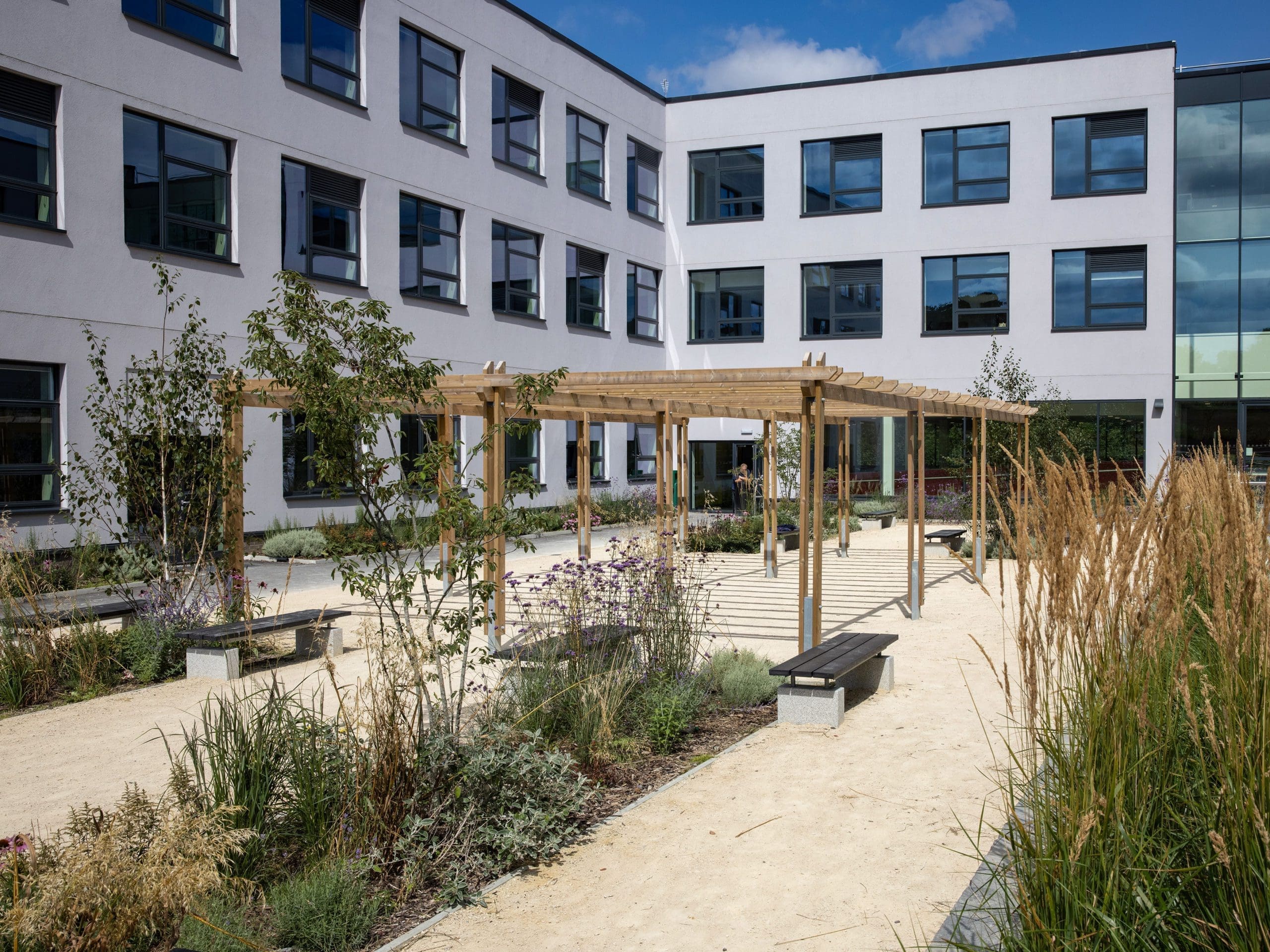
    In some projects, this may involve adapting existing products to suit a particular layout or material palette and, in others, it means developing completely bespoke elements designed specifically for the space. On a recent university campus project, for example, seating layouts were adapted to improve student interaction in high-footfall areas. 

    This flexibility is particularly valuable in complex landscapes where seating, planters, canopies or cycle shelters need to integrate naturally with planting schemes, level changes or surrounding architecture. 

    Rather than forcing a space to work around standard products, bespoke street furniture allows the design to fit the environment precisely. 

    The Role of Collaboration in Bespoke Street Furniture Projects 

    Successful outdoor spaces are rarely delivered in isolation; from early concept discussions through to installation on site, collaboration plays a vital role in ensuring furniture supports both the practical and creative ambitions of a project. 

    And, at Langley Design, we work alongside landscape architects, contractors, councils and developers at key stages throughout the project lifecycle, helping teams navigate technical requirements, material considerations and site-specific challenges as schemes evolve. 

    In the early design stages, collaboration may focus on layout planning, product suitability and aligning furniture with the wider landscape vision but, as projects move into technical development, support often shifts towards specification guidance, CAD integration and material coordination.  

    During manufacture and installation, close communication helps maintain programme efficiency while protecting the original design intent. 

    This ongoing partnership approach to our work allows projects to move forward with greater clarity and confidence, ensuring outdoor furniture integrates seamlessly into the wider environment from concept through to completion. 

    Supporting Specification and Technical Design for Street Furniture 

    As projects progress into technical development, clarity and coordination become increasingly important. We support design teams throughout the specification process, helping ensure products align with both practical requirements and wider project objectives. 

    Our team provides detailed technical information, CAD blocks and IFC files compatible with Revit, helping project teams coordinate specifications and integrate products seamlessly into the wider landscape design. 

    This collaborative approach helps maintain consistency from concept through to delivery, protecting the original design intent while supporting efficient project development. 

    Choosing Durable Materials for Bespoke Street Furniture Solutions 

    Material selection plays a significant role in the long-term success of outdoor furniture. The right materials must balance durability, maintenance requirements, sustainability and visual quality. 

    Here at Langley Design, we work with a carefully considered material palette including responsibly sourced timber, galvanised steel, precast concrete and recycled materials where each material is selected for how it performs within real outdoor environments, whether in high-footfall public spaces, exposed rooftop settings or education campuses. 

    Longevity is central to this approach as durable, well-made furniture reduces replacement cycles and ongoing maintenance demands while ensuring outdoor spaces continue to feel cared for and well used over time. 

    Sustainability also remains an important consideration throughout the process, with responsibly sourced materials and long-life design principles helping support wider environmental goals. 

    Manufacturing High-Quality Bespoke Street Furniture in the UK 

    All of our furniture is made to order in the UK, allowing greater flexibility, quality control and consistency throughout production. 

    By manufacturing specifically for each project, we can ensure dimensions, finishes and detailing are carefully aligned with the surrounding environment and project requirements. This also allows us to respond more effectively to bespoke requests and site-specific challenges. 

    Attention to detail during manufacturing helps ensure every product not only performs well structurally, but also contributes positively to the overall character of the finished space. 

    Street Furniture Design and Installation: From Delivery to Completion 

    Successful street furniture design and installation relies on careful coordination as much as good product design and installation often takes place within busy construction programmes, requiring close collaboration with contractors, project managers and wider delivery teams. 

    When scheduling manufacturing and installation, our project team communicates regularly to coordinate ensure that the street furniture package is delivered in line with project timelines.  

    This continued collaboration helps minimise disruption, resolve practical challenges efficiently and ensure furniture integrates cleanly into the completed landscape. 

    Whether delivering seating for a university campus, shelters for a transport hub or tailored urban furniture for a regeneration scheme, attention to detail remains central throughout the process. 

    Aftercare and Long-Term Support for Bespoke Street Furniture 

    Outdoor spaces continue to evolve long after practical completion.  

    That’s why our involvement does not simply end at installation. 

    We continue supporting clients through aftercare guidance, ongoing collaboration and project reviews, helping ensure furniture continues to perform well over time.  

    Post-completion site photography and case studies also allow project teams to see how spaces develop over time, through everyday use and seasonal change. 

    For many clients, this long-term relationship becomes an important and indeed invaluable part of the process of delivering successful public realm and landscape projects. 

    Delivering Bespoke Street Furniture Solutions from Concept to Installation 

    Delivering successful bespoke street furniture solutions requires more than manufacturing products, it requires collaboration, technical understanding and a shared commitment to creating spaces that work for people long term. 

    At Langley Design, our end-to-end outdoor furniture services support projects from concept through to installation and beyond, helping clients create outdoor environments that are durable, functional and designed with purpose. 

    Whether you are planning a public realm scheme, university development, healthcare project, housing development or commercial landscape, our team can help deliver tailored urban furniture that responds to both place and people. 

    Planning a project? Speak to our expert team about bespoke street furniture solutions tailored to your scheme, or explore our range to see how we can support your next development. 

    Download Our Bespoke Street Furniture Solutions Brochure

    Frequently Asked Questions About Bespoke Street Furniture Solutions 

    What are bespoke street furniture solutions? 

    Bespoke street furniture solutions are custom-designed outdoor furniture elements created to suit the specific requirements of a space. Unlike standard products, bespoke solutions are tailored in terms of size, materials, layout and finish, ensuring they integrate seamlessly with the surrounding environment and support how the space will be used. 

    How does the bespoke street furniture design process work? 

    The bespoke street furniture design process typically begins with early collaboration between designers, clients and project teams to understand the site, its users and key requirements. From there, concepts are developed into detailed designs, followed by technical specification, manufacturing and final installation on site. 

    What materials are used in bespoke street furniture solutions? 

    A wide range of materials can be used in bespoke street furniture solutions, including timber, galvanised or stainless steel, precast concrete and recycled materials. The choice depends on factors such as durability, maintenance requirements, environmental conditions and the overall design vision of the project. 

    How long does it take to deliver bespoke street furniture solutions? 

    Timelines for bespoke street furniture solutions vary depending on the scale and complexity of the project. Design development, manufacturing and installation are carefully coordinated, and lead times are influenced by factors such as material selection, customisation requirements and overall project programme. 

    Zoe Anstie

    May 27, 2026
    News, Uncategorized
  • Insights from the Embodied Carbon Roundtable

    Insights from the Embodied Carbon Roundtable

    by Mike Bloxsome, Technical Director at Langley Design

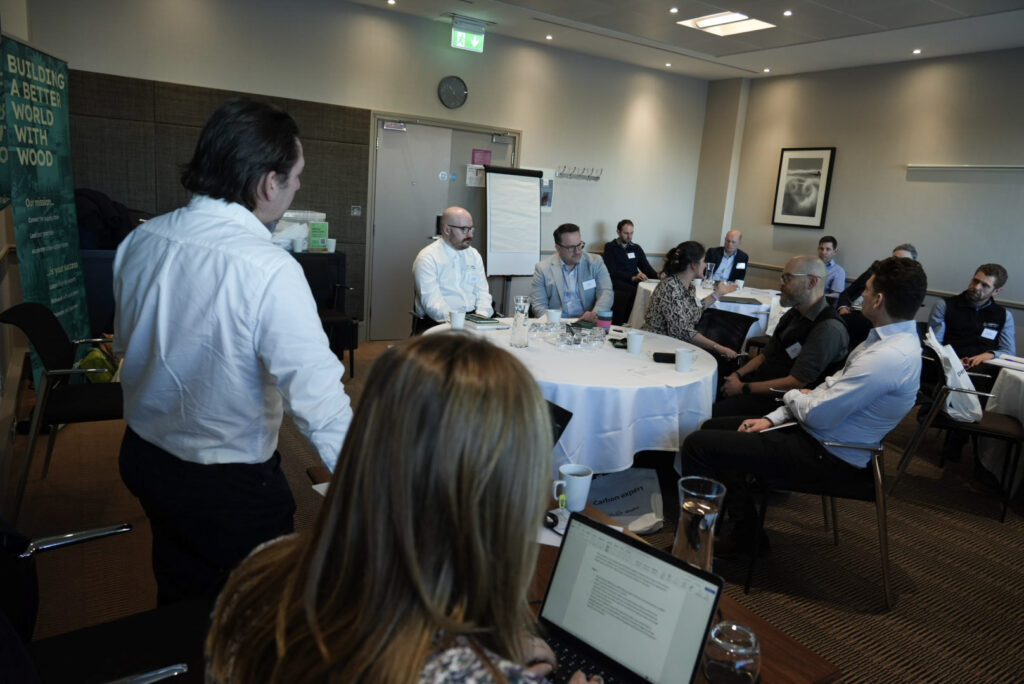
    On 19 March 2026, Mike Bloxsome joined industry leaders, specifiers, and manufacturers at the TDUK / One Click LCA Embodied Carbon Roundtable in Birmingham to tackle one of the most important challenges facing the built environment today: how we measure, manage and reduce embodied carbon.

    What emerged was clear – this is no longer just a compliance issue. It’s a defining opportunity for organisations ready to lead.

    A Market Shift You Can’t Ignore

    The UK construction industry is moving rapidly into a new era of accountability. With evolving Construction Product Regulations and increasing alignment with frameworks like BREEAM Version 7 and SKA Offices 2.0, the expectation for transparent, high-quality carbon data is now becoming both a legal and commercial necessity.

    Add to this the momentum behind the Timber in Construction Roadmap and the anticipated direction of Part Z, and the trajectory is unmistakable: whole-life carbon assessment is becoming embedded into standard practice.

    For forward-thinking organisations, this represents more than risk – it’s a chance to differentiate.

    Turning Strategy into Action

    What made this session particularly valuable was its focus on delivery – practical application rather than high level policy. The conversation has moved on from why embodied carbon matters. The real question now is: how do we make it work efficiently and consistently in practice?

    This is where competitive advantage will be won. Not in policy discussions, but in the ability to implement practical, scalable solutions across the supply chain.

    Simplifying the Data Challenge

    Data remains one of the biggest barriers, but also one of the biggest opportunities. One of the most engaging parts of the conversation revolved around data, specifically:

    • What level of material data is actually required?
    • Are we overcomplicating assessments with excessive detail?
    • Where do Environmental Product Declarations (EPDs) fall short?

    There was a shared recognition that while high-quality data is essential, the current expectations can sometimes feel disproportionate or impractical, particularly for smaller manufacturers.

    The group also debated the role of collective EPDs (such as industry-wide datasets for common timber grades) and whether these can offer a pragmatic stepping stone toward more comprehensive reporting.

    Bridging the Gap Between Standards and Reality

    Frameworks such as those from the Royal Institution of Chartered Surveyors (RICS) are essential in setting direction. However, the industry is still working through how to apply these standards consistently in real-world projects.

    Key challenges remain:

    • Inconsistent data availability
    • Varying interpretation of requirements
    • Time and cost of compliance

    Bridging this gap will be critical if embodied carbon measurement is to scale effectively across the industry.

    The Case for Clear, Consistent Regulation

    A recurring theme was the need for a level playing field. Without clear and enforceable standards, the industry risks fragmentation, uncertainty, and uneven expectations. Early adopters may also find themselves at a competitive disadvantage if others are not held to the same requirements.

    There is a growing call for regulation that is not only ambitious, but also practical – providing clarity, consistency, and confidence across the market.

    Collaboration Drives Progress

    Perhaps the most valuable takeaway from the session was the emphasis on collaboration. Events like this demonstrate that the challenges of embodied carbon cannot be solved in silos. Manufacturers, designers, specifiers, and policymakers all need to work together to:

    • Simplify processes
    • Improve data quality
    • Align expectations
    • Share best practice

    The roundtable was a strong reminder that while the direction of travel is becoming clearer, the journey is still evolving. It is a requirement that is not going away, but has some issues to resolve before it can be demanded by architects/project consultants.

    Embodied carbon roundtable
measure carbon

    Zoe Anstie

    April 23, 2026
    News
    construction products regulations, embodied carbon roundtable, measuring carbon footprint, reduce embodied carbon, street furniture
  • School & University Outdoor Furniture Upgrades: Why Summer Is the Perfect Time

    School & University Outdoor Furniture Upgrades: Why Summer Is the Perfect Time

    Planning smarter campuses with minimal disruption

    For schools, colleges and universities, outdoor spaces play an increasingly important role in day-to-day campus life; from informal learning and social interaction to quiet moments between classes, well-designed campus outdoor furniture helps shape how these environments are used and experienced.

    However, upgrading these spaces can be challenging during term time due to busy schedules, full classrooms and overrun outdoor spaces.

    That’s why the summer break presents a valuable opportunity.

    With fewer people on site and greater flexibility, it’s the ideal window to carry out school outdoor furniture upgrades and introduce new university outdoor seating solutions with minimal disruption.

    Why Summer Is the Ideal Time for Outdoor Furniture Installation

    Timing is everything when it comes to improving busy educational environments and the summer holidays provide a natural pause in activity, making them the most practical and efficient opportunity for change.

    With reduced footfall across campuses, installation teams can work more freely and safely, allowing for quicker project delivery, fewer logistical constraints and a smoother overall process.

    For larger schemes, such as phased summer installation of outdoor furniture projects, this uninterrupted period is especially valuable.

    What’s more, by completing upgrades over the summer, schools and universities can begin the new academic year with refreshed, fully functional outdoor spaces already in place.

    Enhancing Campus Life Through Better Outdoor Spaces

    Investing in outdoor furniture is about more than aesthetics, it directly supports student wellbeing, social interaction and the overall campus experience.

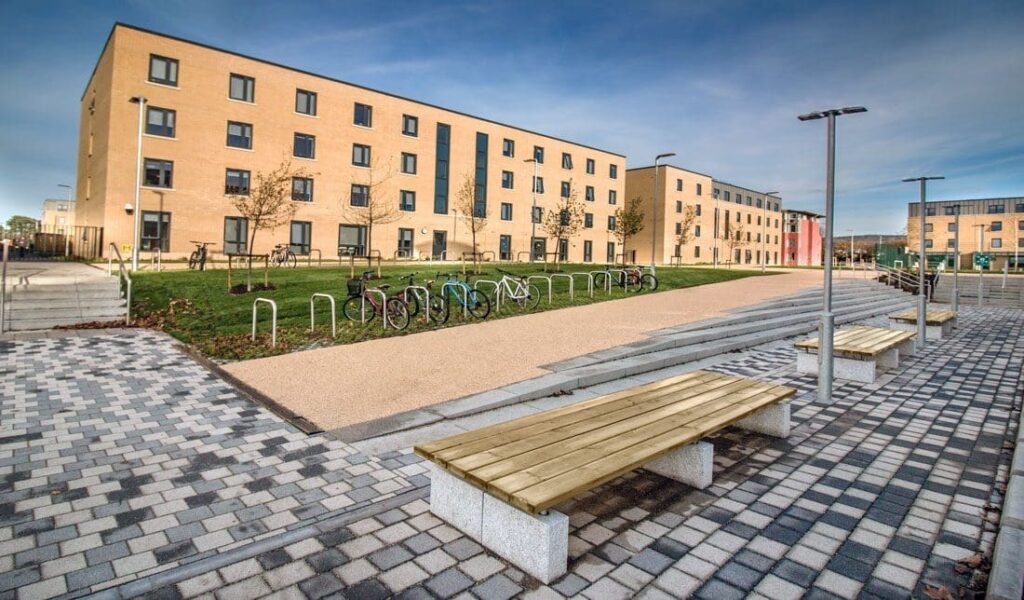
    Modern university outdoor seating solutions are designed to encourage flexible use where students can gather, collaborate or take time out between lectures, while staff benefit from comfortable, accessible spaces throughout the day to eat lunch, enjoy a short coffee break or catch up with their peers.

    For schools, durable school benches and thoughtfully designed seating areas provide safe, welcoming environments for break times and informal learning. When outdoor spaces are comfortable and easy to use, they naturally become part of everyday campus life.

    Durability, Safety and Long-Term Value

    Educational environments demand robust, long-lasting solutions, with outdoor furniture needing to withstand daily use, changing weather conditions and minimal maintenance over time. Achieving this balance requires careful consideration of both materials and design.

    At Langley Design, durability is central to our approach, without compromising on comfort or visual appeal. Materials such as galvanised steel, precast concrete and responsibly sourced timber are selected for their strength and resilience, ensuring consistent performance across a wide range of school and university settings. We also have a range of recycled plastic seating options that for enhanced durability and low maintenance.

    Safety also plays a vital role in outdoor furniture design. Smooth finishes, secure fixings and thoughtfully engineered forms help create environments that feel reliable and well maintained, which is particularly important in school settings where safeguarding is a priority.

    By investing in high-quality campus outdoor furniture, schools and universities can reduce ongoing maintenance demands while benefiting from products designed to perform well for years to come.

    Planning Successful Outdoor Furniture Upgrades

    A well-planned approach ensures upgrades deliver long-term value.

    Summer projects offer the time and flexibility to consider how outdoor spaces will be used throughout the year.

    Start by reviewing how existing areas perform:

    1. Are there enough places for students to sit and gather?
    2. Do spaces support both social interaction and quiet use?

    Identifying gaps helps inform better design decisions.

    Layout is just as important as the furniture itself.

    Positioning seating along natural pathways, near entrances or within landscaped areas encourages regular use. Integrating planters or shaded areas can further enhance comfort and usability.

    For larger campuses, phased upgrades can help prioritise high-use areas first, ensuring improvements are delivered efficiently within the available timeframe.

    The Role of Bespoke Solutions in Education Spaces

    While standard products meet many needs, bespoke outdoor furniture can add real value in educational settings.

    Tailored solutions allow schools and universities to reflect their identity, align with architectural styles and respond to specific site requirements.

    Whether it’s custom seating arrangements for courtyards or integrated planters that define social spaces and add greenery, bespoke designs help create cohesive, purposeful environments.

    They also offer practical benefits, allowing furniture to fit precisely within available space and support the way each campus is used.

    Why Schools and Universities Choose Langley Design

    At Langley Design, we specialise in creating campus outdoor furniture solutions for education environments. Working closely with schools, colleges and universities, we combine practical experience with thoughtful design to deliver outdoor spaces that perform both functionally and visually.

    Our focus on durability, safety and long-term value ensures every project is designed with the realities of education settings in mind, from safeguarding considerations to year-round usability. Whether delivering standard seating solutions or bespoke designs, our approach is always collaborative and site-specific.

    Start Planning Your Summer Upgrade

    Summer provides a valuable opportunity to invest in outdoor spaces without disruption. With the right approach, summer installation of outdoor furniture projects can transform underused areas into welcoming, functional parts of the campus.

    At Langley Design, we work closely with schools, colleges and universities to deliver durable school benches, university outdoor seating solutions and fully tailored campus outdoor furniture. Take a look at our Education and University project case studies.

    Get in touch to discuss your upcoming project or request a consultation, and start planning outdoor spaces that are ready for the next academic year.

    Frequently Asked Questions

    When is the best time to install school outdoor furniture?

    The summer holidays are generally the best time for installation, as reduced campus usage allows work to be carried out safely and efficiently with minimal disruption to daily activities.

    What materials are best for school and university outdoor furniture?

    Durable materials such as galvanised steel, concrete and treated timber are commonly used due to their strength, weather resistance and low maintenance requirements.

    Can outdoor furniture upgrades be phased over time?

    Yes. Phased upgrades are often an effective approach for larger campuses, allowing high-use areas to be prioritised while spreading installation over manageable stages.

    How long should quality outdoor furniture last in education settings?

    With the right materials and design, well-made outdoor furniture can perform reliably for many years, offering long-term value with minimal maintenance.

    Zoe Anstie

    April 16, 2026
    News
  • Langley Design becomes a Planet Mark Certified Business

    Langley Design becomes a Planet Mark Certified Business

    Reinforcing Our Commitment to Sustainability

    We are pleased to announce that we are now a Planet Mark Certified Business having taken the first, but important, step towards achieving Net Zero, at a critical time for our planet.

    Planet Mark is an internationally recognised leader in net zero certification, with over 12 years of experience in helping 800+ Member organisations reduce carbon emissions, achieve net zero targets and generate long-term business value.

    Langley Design worked closely with Planet Mark to measure and report carbon emissions across Scope 1, 2, and 3 as we cannot manage what we do not measure. This includes emissions from sources we create directly, indirectly and from within our Supply Chain. A crucial part of this Certification is also our commitment to reduce Scope 1 & 2 carbon emissions by 5% annually.

    By achieving this certification, Langley Design demonstrates its dedication to sustainable business practices and transparency in environmental reporting.

    “Our Planet Mark certification is a reflection of our ongoing commitment to creating a positive impact on the environment and our communities,” said Liam Shaw, Managing Director. “We are continuously working to reduce our carbon footprint, improve resource efficiency, and foster a culture of sustainability throughout our business operations.”

    The certification process involves rigorous assessment of carbon reduction initiatives, engagement with staff, and sustainable practices across the supply chain. Achieving Planet Mark Business Certification highlights our proactive approach to sustainability and its alignment with global environmental goals.

    View all of Langley Design’s accreditations.

    Zoe Anstie

    March 10, 2026
    News, Uncategorized
    planetmark, planetmarkcertified, sustainability
  • It’s National Colouring Book Day!

    It’s National Colouring Book Day!

    School holidays got you scratching your head for ideas to keep your kids entertained? We’ve got a fun one for you (and the kids)!

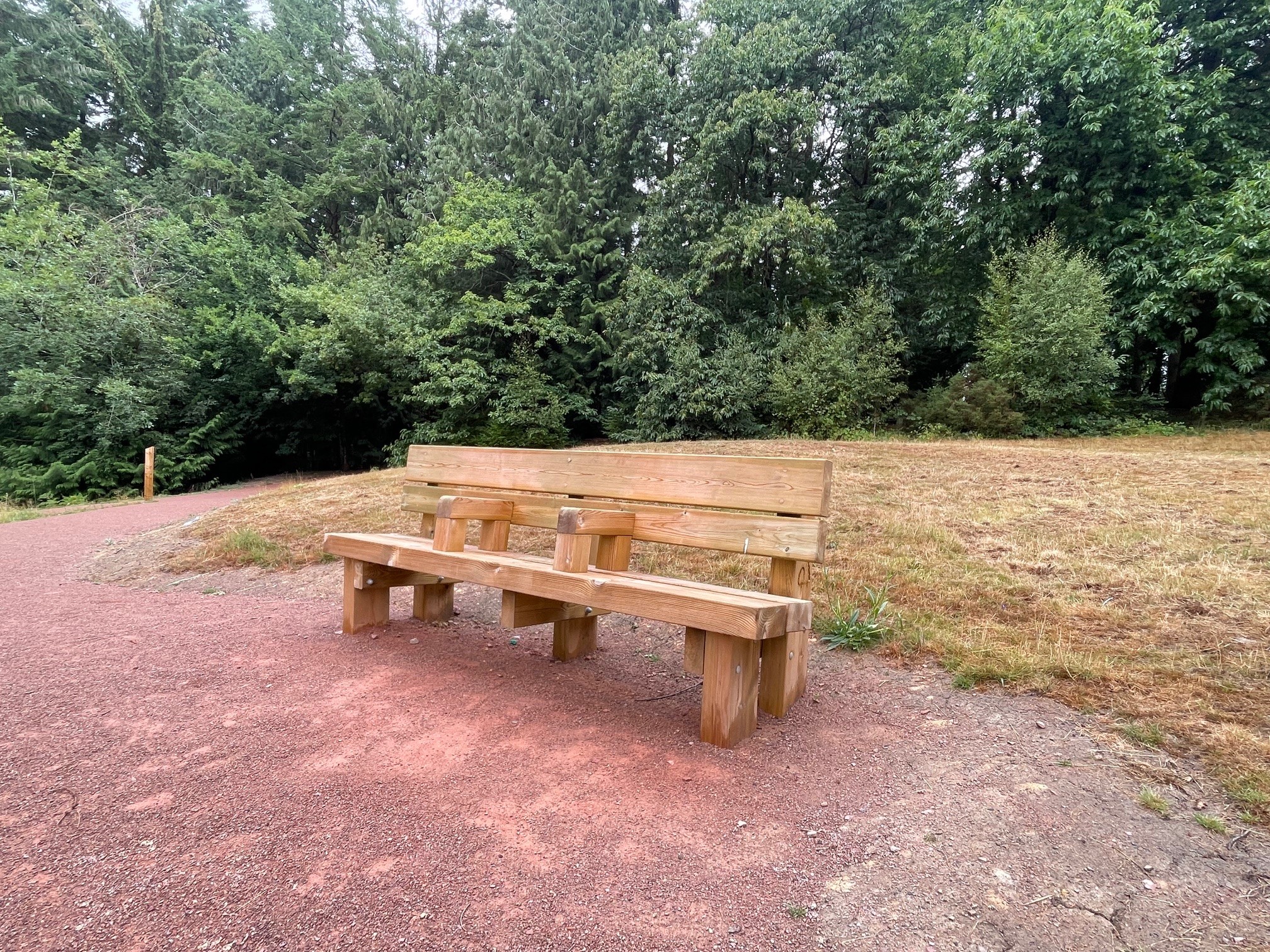
    Check out this awesome custom Seat we designed for Forestry England — it’s just waiting for a splash of colour and a whole lot of imagination! 🎉

    We want to see your kids’ creativity come to life:
    🌈 Colour it in
    🧠 Add some personality
    👯‍♂️ And most importantly — tell us who they’d love to sit next to on this seat!

    My son picked Sonic the Hedgehog (obviously), and he’s still perfecting his masterpiece. 🌀💙

    Post their colourful creations in the comments of our post on the LinkedIn page — we can’t wait to see what they come up with! 🖼️✨

    Download the Colouring Sheet

    Zoe Anstie

    August 1, 2025
    News, Uncategorized
  • Langley Design gains ISO 14001 certification

    Langley Design gains ISO 14001 certification

    A Major Step Towards a Greener Future

    We’re delighted to share a significant milestone in our sustainability journey — Langley Design is now officially ISO 14001 certified.

    ISO 14001 is the internationally recognized standard for environmental management systems. Earning this certification is a clear reflection of our team’s ongoing dedication to reducing waste, improving environmental performance, and embedding sustainable practices into everything we do.

    Achieving this accreditation wasn’t an overnight process. It’s the result of months of hard work, rigorous audits, and the continual refinement of our systems, policies, and procedures to meet the high standards required by ISO 14001.

    This latest achievement joins our existing ISO 9001 (quality management) and ISO 45001 (occupational health and safety) certifications, giving our customers even greater confidence in the quality, safety, and sustainability of our products and services.

    For us, it’s more than just a certificate — it’s a proud moment that highlights our commitment to continuous improvement and responsible business practices. We’re excited to keep building on this momentum as we continue to grow in a way that’s better for our people, our partners, and our planet.

    ISO14001 logo with Langley Certificate number

    View all of Langley Design’s accreditations.

    Zoe Anstie

    May 12, 2025
    News, Uncategorized
Langley Design

Unit L (Gate 1)

Chelworth Ind Est

Cricklade

SN6 6HE

///inversely.mime.goodness

Telephone

01793 759 461

Email

info@langleydesign.co.uk

Keep connected

About

About Us

Why Choose Us

Products

Benches & Seats

Bin Stores

Bollards & Door Barriers

Canopies & Shelters

Cycle Parking

Cycle Shelters

Pergolas

Precast Concrete

Picnic Tables

Recycling & Litter Bins

Steel Planters

Timber Planters

Projects

Education

Healthcare

Housing

Offices & Industrial Parks

Public Realm

Universities

Support

Technical

Delivery

Installation

Materials

Product Codes

Environmental

©2024 Langley Marketing Limited (t/a Langley Design)

Website Terms of Use

Privacy Policy and Cookies

This site is protected by reCAPTCHA and the Google Privacy Policy and Terms of Service apply.