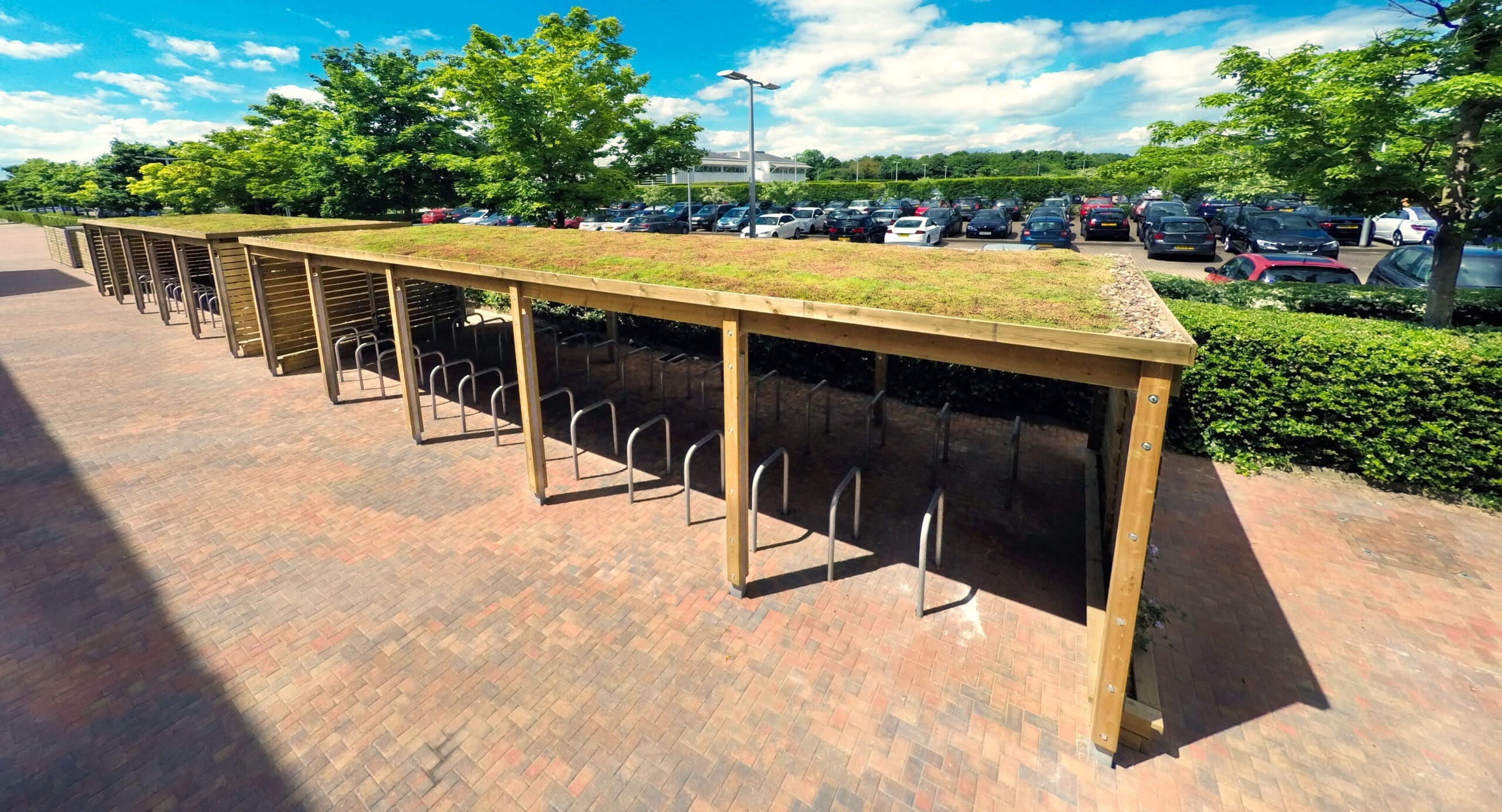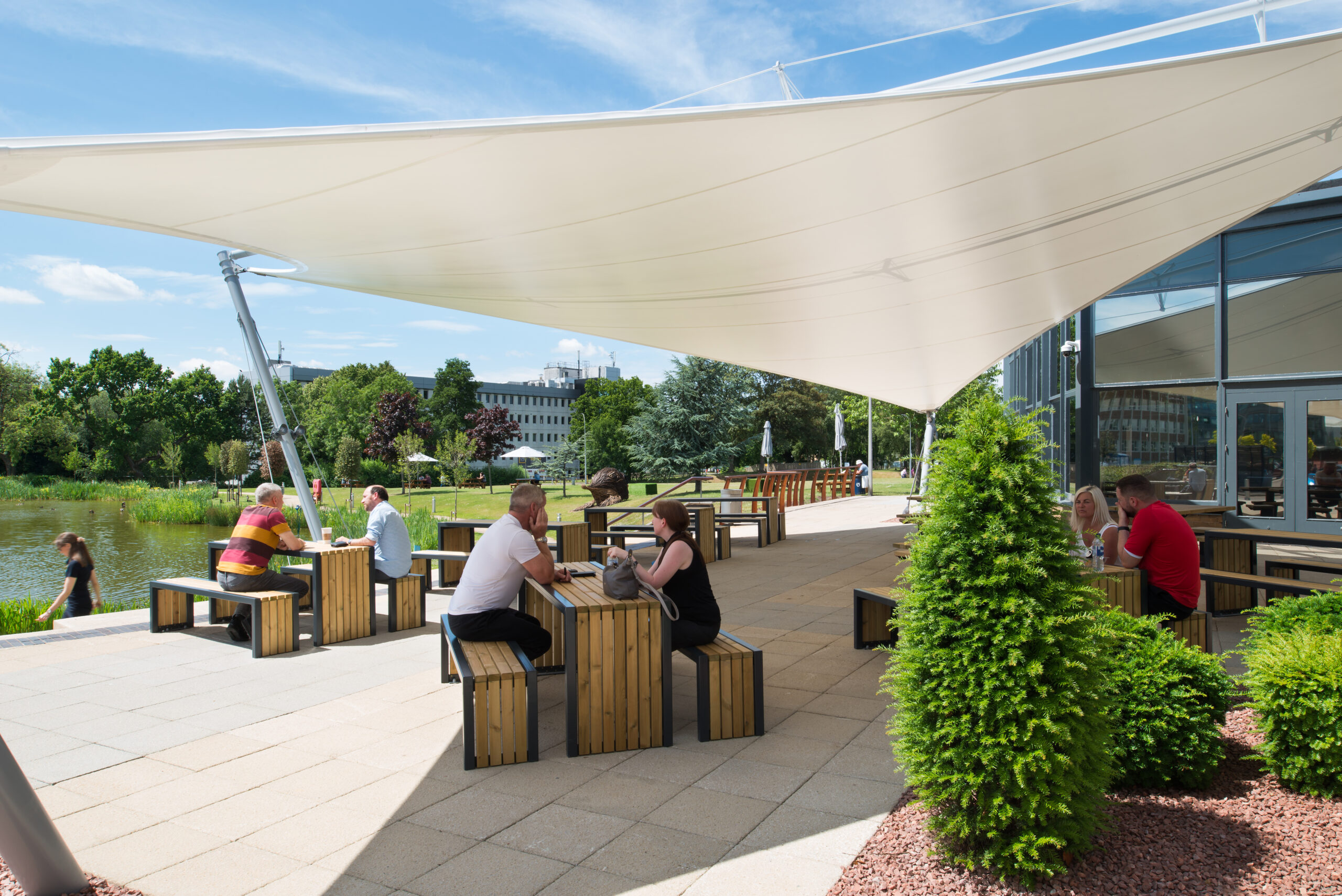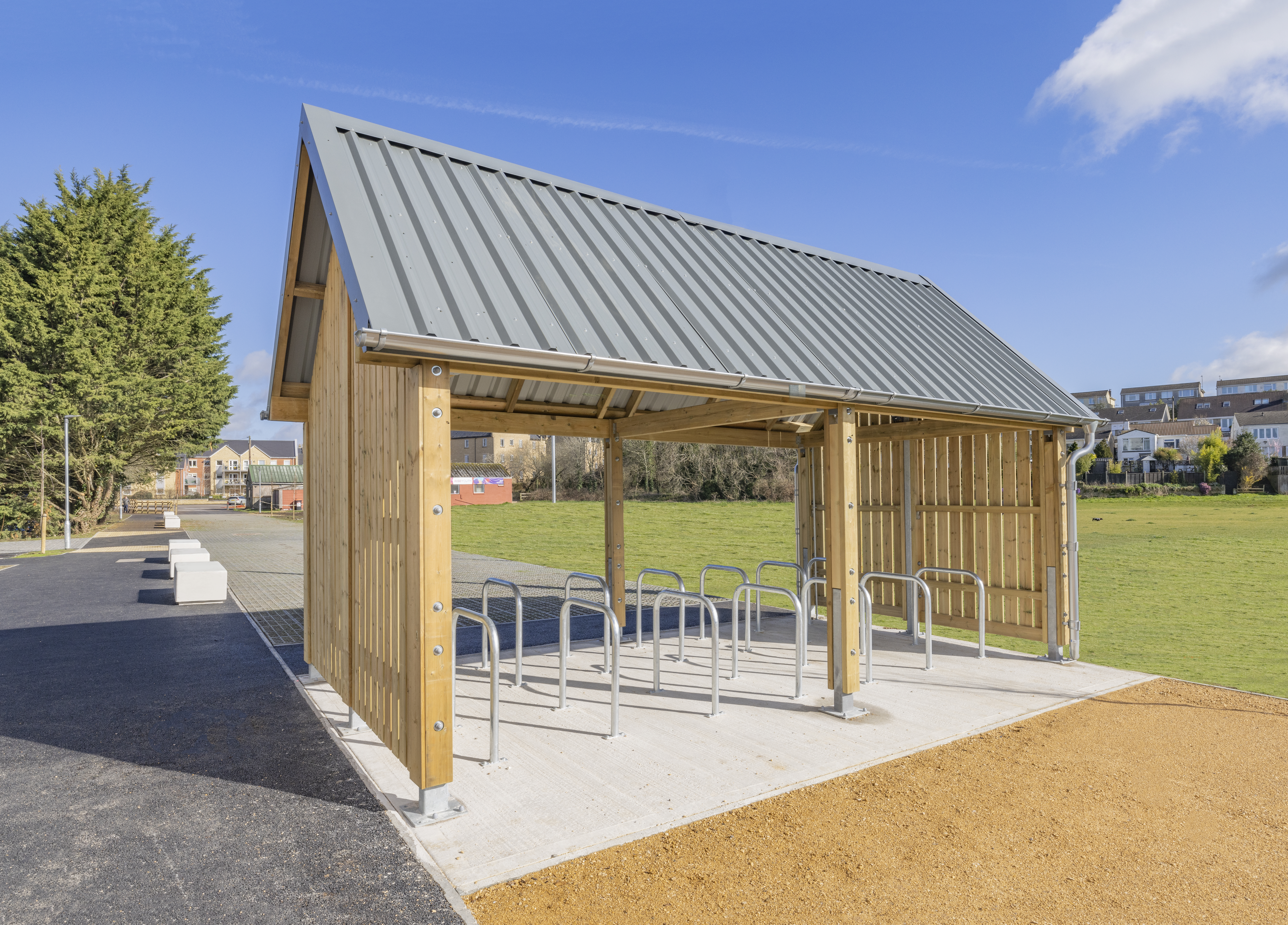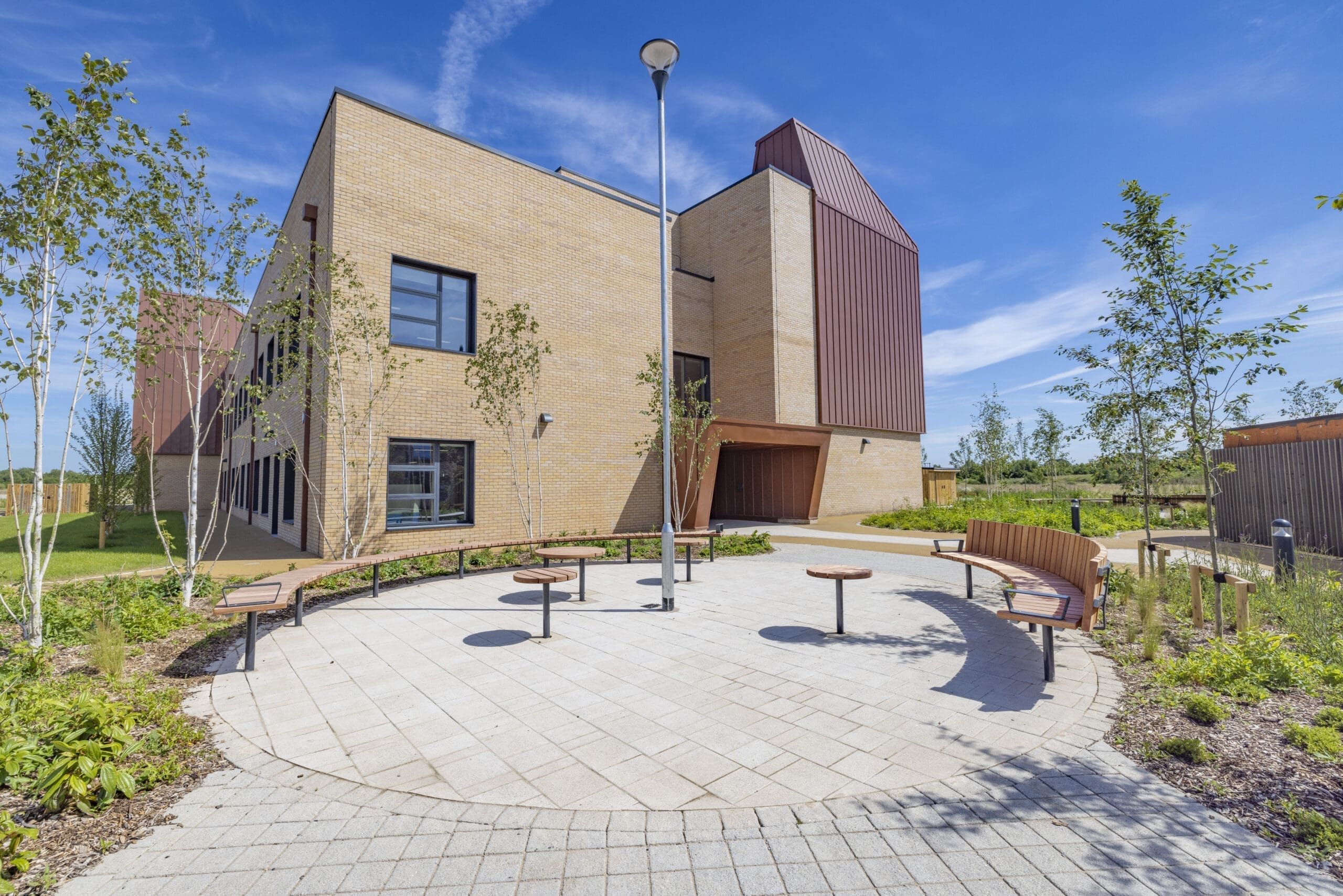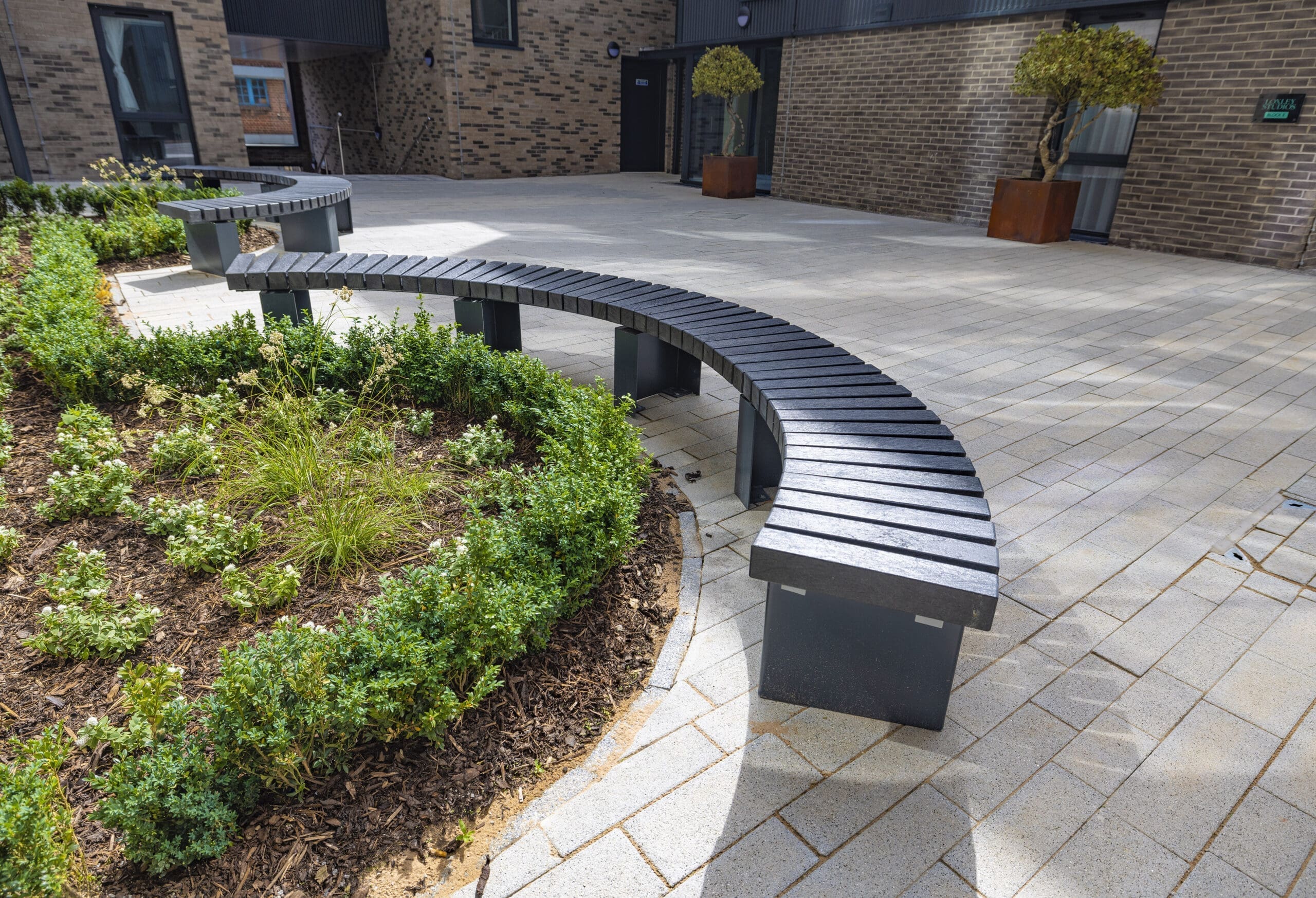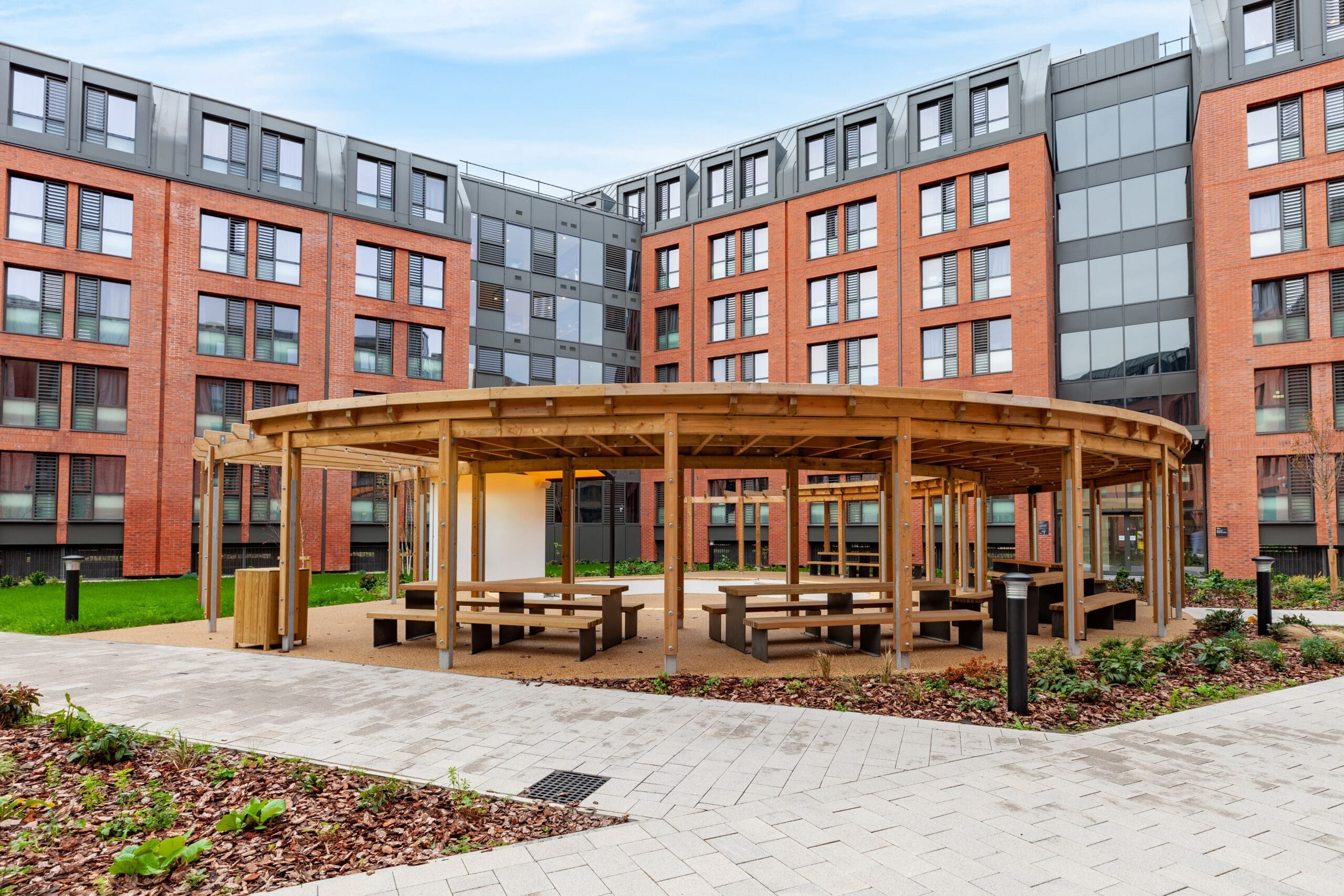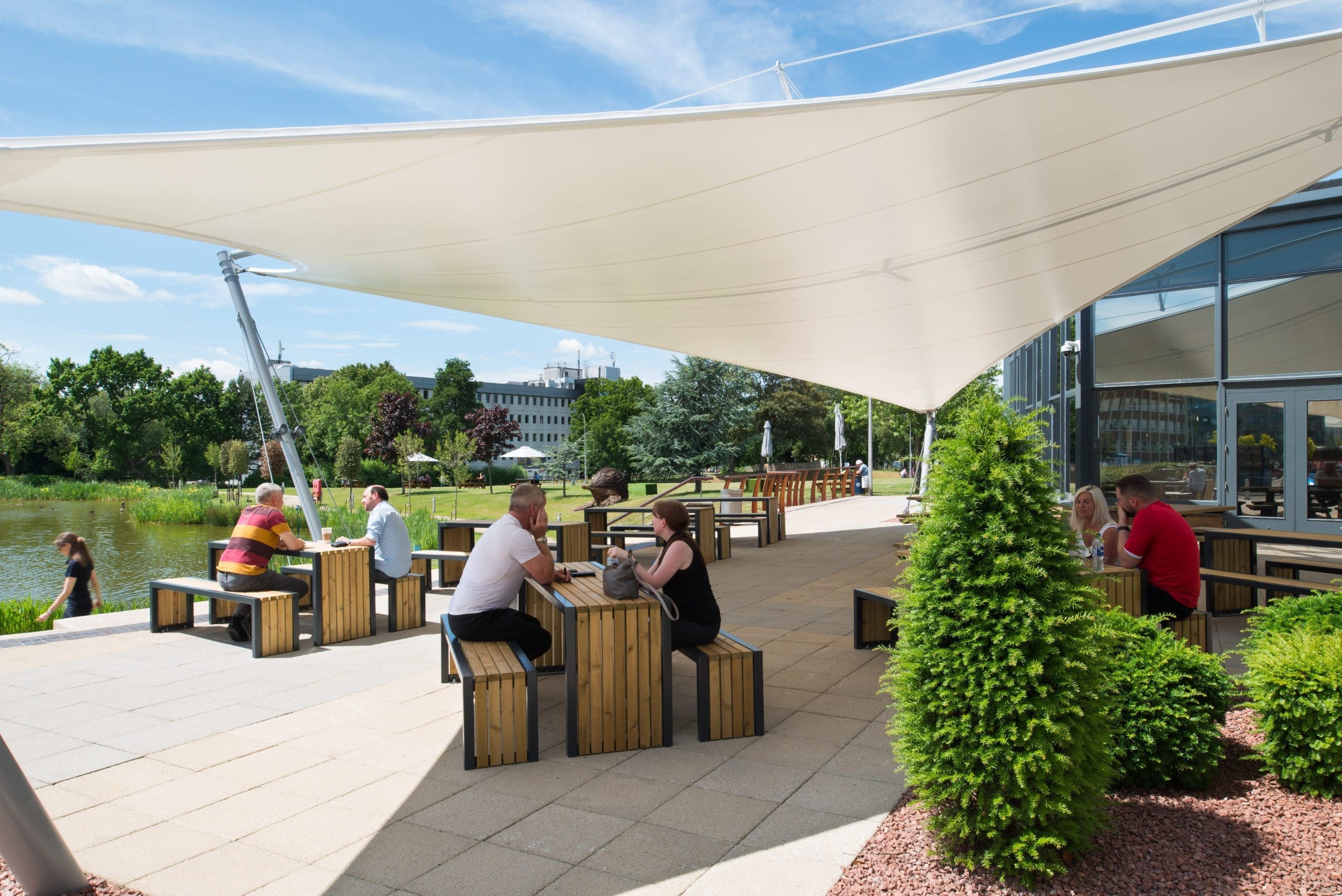
Across the UK, urban regeneration projects are reshaping towns and cities at pace, but successful regeneration is not defined solely by new buildings or infrastructure, it is defined by how people use and experience the meaningful spaces between them.
Outdoor furniture for urban regeneration plays a crucial role in this transformation. Thoughtfully designed street furniture shapes how people move through a space, where they gather and how long they choose to stay. In doing so, it signals permanence, care and long-term investment; all essential to meaningful public space revitalisation.
From civic squares and parks to housing developments and rooftop terraces, the right street furniture helps turn redevelopments into meaningful place-making.
Building for Long-Term Confidence
In regeneration settings, durability is essential, due to the fact that public spaces experience heavy footfall, exposure to weather and continuous daily use and, as such, street furniture must perform consistently over time without quickly deteriorating in appearance or function.
Alongside this, material selection is fundamental as hardwearing timber, galvanised and powder-coated steel, and reinforced concrete provide the structural strength needed for demanding urban environments.
Just as important is how these materials age, where well-designed durable outdoor furniture should develop character, not weakness.
Another key consideration is weather resistance which is particularly critical in unpredictable UK conditions where protection against corrosion, appropriate drainage detailing and high-quality finishes all extend lifespan. When street furniture is designed to last, it reduces reactive maintenance, supports whole-life cost efficiency and protects public investment.
Durability does more than solve practical challenges, it builds trust and supports sustainability. Furniture that remains solid and well-presented communicates that regeneration is permanent, not temporary.
Designing Inclusive and Welcoming Public Spaces
Urban regeneration succeeds when spaces feel open and usable to everyone and, as such, accessibility should be thoughtfully and carefully embedded within modern urban furniture designs from the outset.
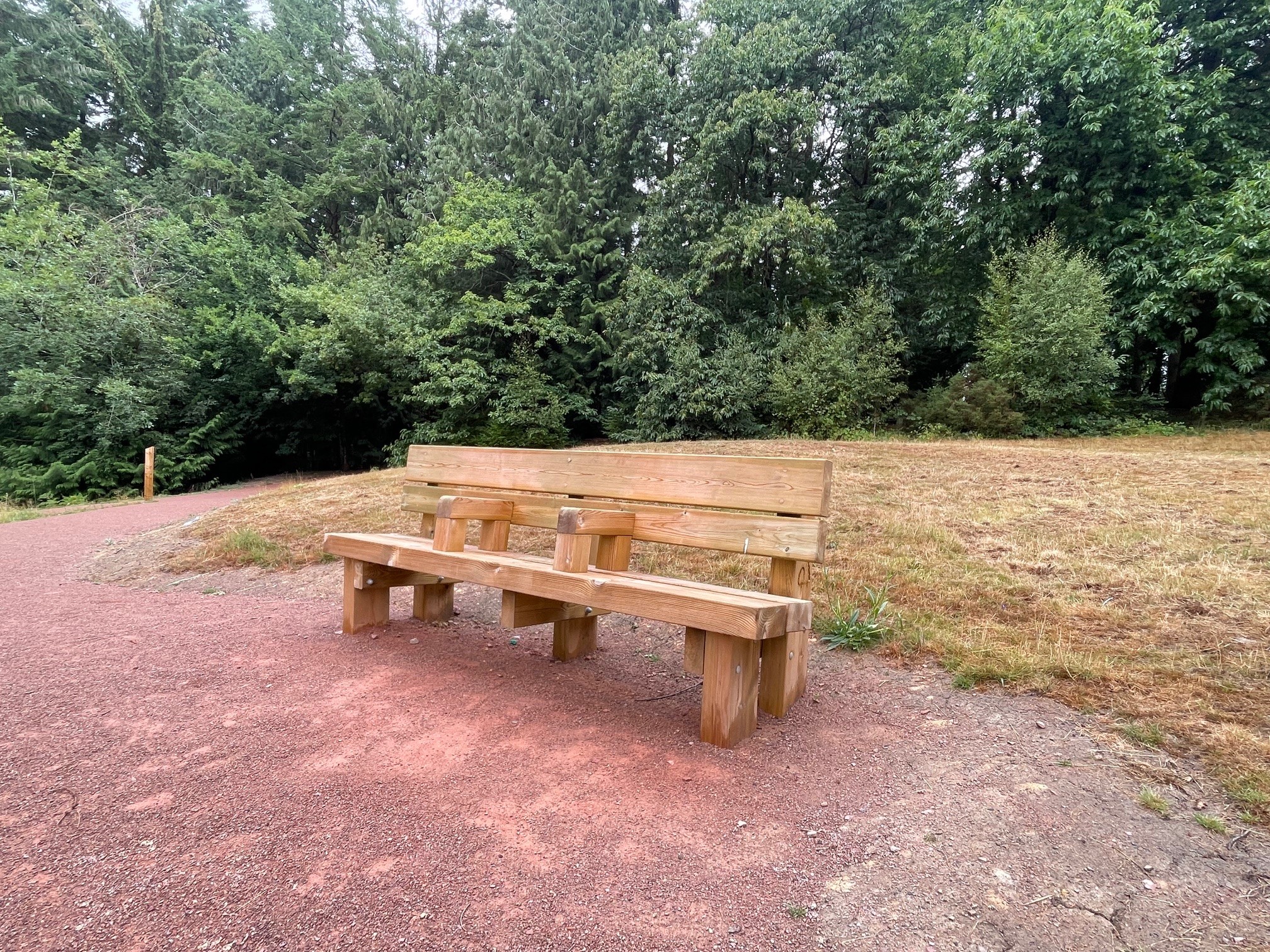
Seating with supportive backs and arms, appropriate heights, and clear circulation routes ensures that people of different ages and abilities can use shared environments comfortably. The placement of benches, planters and shelters should feel intuitive, allowing wheelchair users, families and older residents to navigate without barriers.
With this, inclusive outdoor furniture works to strengthen social cohesion because, when people can sit comfortably, gather easily and move freely, public spaces feel genuinely welcoming rather than staged and performative.
Sustainability and Responsibility in Material Choice
Environmental responsibility is now central to urban regeneration projects UK wide. Outdoor furniture contributes to this through responsible sourcing, longevity and integration with landscape strategies.
Certified timber, recyclable metals and designs that prioritise long life reduce environmental impact. Longevity itself is a form of sustainability where fewer replacements mean fewer resources consumed over time.
When paired with planting, sustainable drainage and biodiversity-focused landscaping, outdoor furniture becomes part of a wider ecological strategy rather than a standalone feature.
Flexibility in Contemporary Urban Spaces
Regenerated spaces need to do a lot of work; a single plaza can host commuters in the morning, families at lunchtime, and community events in the evening. Housing developments and mixed-use schemes require areas for social interaction as well as quiet retreat spots.
But modern urban furniture is rising to the challenge.
Seating combined with planters helps define space naturally, without blocking movement. Modular systems can be reconfigured as needs change, while informal seating walls and multi-purpose elements make the most of limited space.
In short, outdoor furniture in regeneration projects isn’t just functional, it shapes how people use a space, encouraging both planned activity and spontaneous moments of connection.
The Value of Bespoke Street Furniture in UK Developments
While standard products can suit many environments, regeneration often calls for identity-led design, and in some projects, bespoke street furniture allows designers to move beyond functional provision and more towards meaningful place-making.
Reflecting Local Identity and Heritage: Bespoke street furniture can draw directly from the architectural language, material palette or cultural history of a place. Whether referencing local stone, incorporating regionally sourced timber, or echoing patterns found in surrounding buildings, tailored designs help new developments feel connected to their context. In regeneration settings, where communities may be sensitive to change, this continuity helps balance progress with respect for local character.
Strengthening Sense of Place: Regeneration is not simply about improvement, it is about redefinition, and tailored street furniture solutions contribute to a distinct identity, differentiating one development from another. Custom seating layouts, integrated signage elements or coordinated material finishes reinforce branding and design intent. This cohesion helps prevent schemes from feeling generic, instead creating environments that are recognisable, memorable and rooted in their surroundings.
Aligning with Architectural Vision: In mixed-use or large-scale regeneration schemes, landscape and architecture must work together seamlessly. Bespoke street furniture can be designed to complement façade treatments, structural forms and public realm layouts. This alignment ensures that outdoor spaces feel like an intentional extension of the built environment, rather than an afterthought populated with standard products.
Responding to Site-Specific Constraints: Regeneration sites often come with spatial limitations, level changes or unusual footprints. Off-the-shelf furniture may not maximise available space or integrate effectively with surrounding features. Bespoke solutions allow dimensions, configurations and fixing methods to be adapted to suit exact site conditions, improving both usability and visual balance.
Integrating with Complex Landscaping: Many regeneration projects incorporate sustainable drainage systems, retained mature trees, raised planters or tiered seating areas. Custom-designed furniture can be integrated directly into these landscape elements, creating cohesive and efficient use of space. This approach supports both functionality and environmental strategy, rather than treating furniture and landscaping as separate components.
Supporting Long-Term Flexibility: Tailored designs can also anticipate how a space may evolve. Modular or bespoke systems, adaptable configurations or future-proofed infrastructure such as integrated lighting or charging points ensure that the street furniture remains relevant as the surrounding community grows and changes.
In regeneration contexts, bespoke street furniture is not about embellishment. It is about creating public spaces that feel intentional, durable and authentically connected to their setting.
Rooftop Terraces and the Vertical Expansion of Public Space
As density increases across UK towns and cities, regeneration is extending upwards and, as a result, rooftop terrace development has become an essential response to limited ground-level space.
These elevated environments provide valuable amenity space for residents, workers and visitors. However, they require carefully specified durable outdoor furniture that balances weight considerations, wind exposure and long-term performance.
When designed well, rooftop spaces feel intentional and integrated into the wider scheme, supporting wellbeing and social interaction above the street level.
Outdoor Furniture as Regeneration Infrastructure
Street furniture for public spaces should be viewed as essential infrastructure within regeneration schemes as it supports safety, encourages dwell time and reinforces identity.
But, most importantly, it shapes how people experience change.
By prioritising durability, inclusivity, sustainability and where necessary bespoke design, urban regeneration projects can create outdoor environments that remain active and valued long after completion.
High-quality outdoor furniture for urban regeneration is not an accessory, it is a visible commitment to the long-term success of a place.
Discover how thoughtfully designed outdoor furniture can transform your regeneration project: contact us to discuss bespoke street furniture solutions tailored to your site and to your community.